Image by Jakob Owens, from Unsplash
YouTube Demonetized AI-Generated Fake Movie Trailers
- Written by Kiara Fabbri Former Tech News Writer
- Fact-Checked by Sarah Frazier Former Content Manager
YouTube has taken action against two major fake movie trailer channels, Screen Culture and KH Studio, by disabling their ability to earn ad revenue.
In a rush? Here are the quick facts:
- YouTube demonetized Screen Culture and KH Studio for misleading AI-generated movie trailers.
- YouTube requires creators to significantly alter borrowed material to avoid misleading content.
- Some Hollywood studios allowed AI trailers to generate revenue instead of enforcing takedowns.
The action follows an investigation by Deadline , who looked into two YouTube channels which produce fake movie trailer content through AI visual effects resembling official film promotion materials.
Deadline explained that Screen Culture operated by Indian owner Nikhil P. Chaudhari has become highly successful through its authentic trailer videos that attract millions of viewers and earn substantial advertising revenue.
The channel generates authentic teasers for upcoming films by adding AI-made effects to actual movie footage. Similarly, KH Studio creates fictional alternate versions of popular films.
As the head of a dozen editors Chaudhari states that his channel exists to produce “videos that were as close to an official trailer as a concept trailer could be,” he said, as reported by Deadline. However, the channel’s rapid success has also raised concerns about misleading audiences.
As a consequence of this investigation, YouTube chose to demonetize these channels because their policy requires creators must “significantly” change borrowed material in order to make it original.
The platform establishes a rule against any content that tricks viewers through manipulated footage.
KH Studio’s founders defended itself stating that : “I’ve been running KH Studio full-time for over three years now, putting everything into it. It’s tough to see it grouped under ‘misleading content’ in the demonetization decision, when my goal has always been to explore creative possibilities – not to misrepresent real releases,” they said, as reported by Deadline .
Despite these rules, Deadline discovered that some Hollywood studios, including Warner Bros. Discovery and Sony have not enforced copyright takedown notices on these AI-generated trailers despite their rules. The studios declined to comment.
The problem of fake movie trailers has persisted for multiple years because AI technology now provides the means to produce realistic high-quality video content. The creators such as Chaudhari see their activities as promotional tools but the critics maintain these promotional materials dilute traditional marketing and lead audiences astray, as noted by Deadline.
Recently a viral fan-made trailer that reimagines The Lord of the Rings through Studio Ghibli animation style was produced using AI technology . Viewers praised its creative approach, but the development sparked new worries about AI-generated content ethics when it duplicates established artistic styles.
The YouTube crackdown on Screen Culture and KH Studio forces the platform to confront fundamental questions about AI’s place in entertainment production and digital content ethical limits.
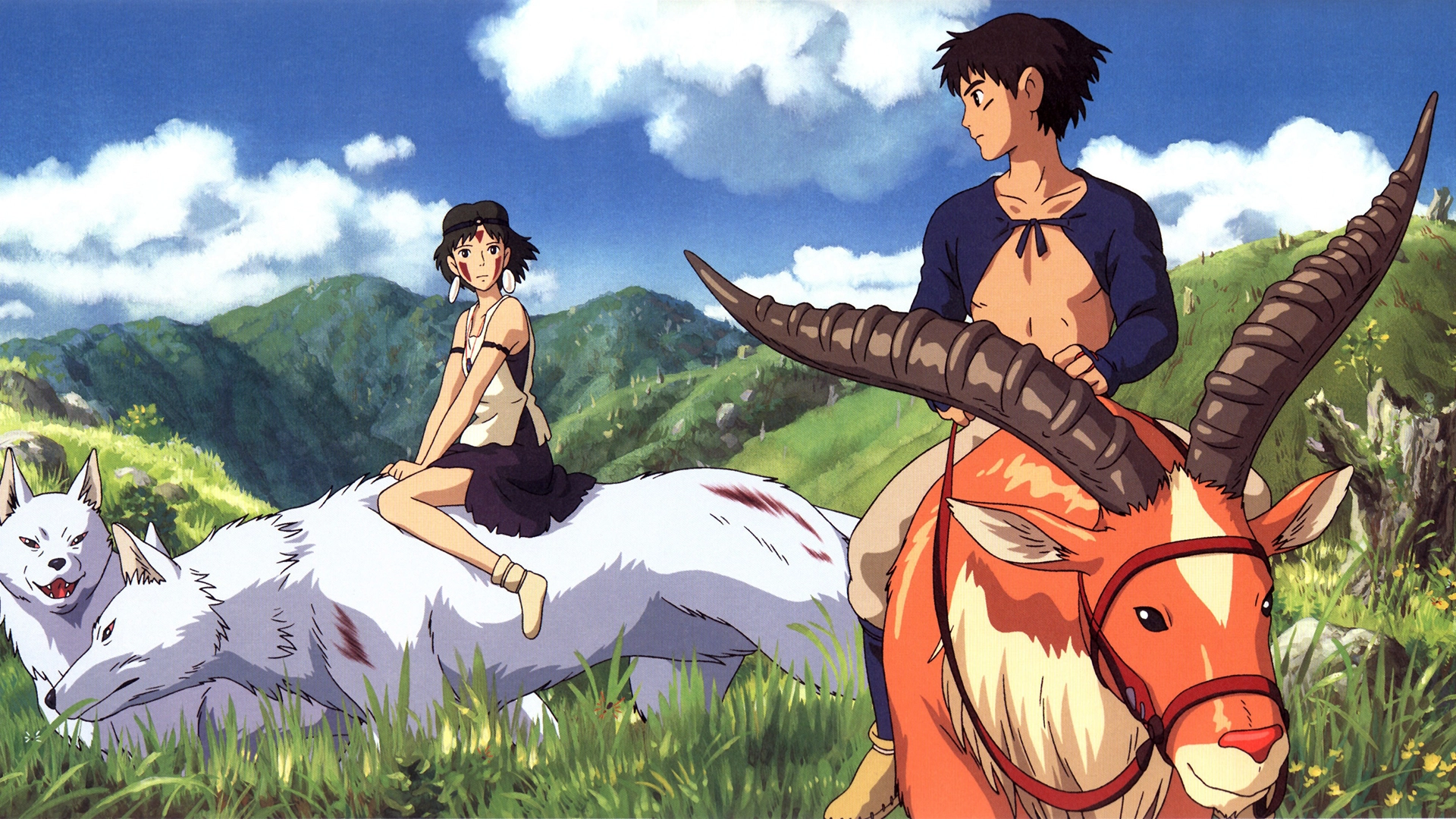
Image by Mangoose13, from Goodfon
OpenAI Limits AI Image Generation As GPUs Struggle With Ghibli-Inspired Demand
- Written by Kiara Fabbri Former Tech News Writer
- Fact-Checked by Sarah Frazier Former Content Manager
OpenAI put its AI image-generation tool under restrictions because an unforeseen increase in usage threatened to burn out its computing capacity.
In a rush? Here are the quick facts:
- OpenAI limited AI image generation as high demand strained its GPUs.
- The viral Ghibli-style image trend caused massive spikes in usage.
- CEO Sam Altman said OpenAI’s GPUs are “melting” under pressure.
CEO Sam Altman announced that the company’s GPUs are experiencing damage from excessive user requests that focus on Studio Ghibli-inspired image creation.
The CEO posted on X that the GPU devices were melting down.
it’s super fun seeing people love images in chatgpt. but our GPUs are melting. we are going to temporarily introduce some rate limits while we work on making it more efficient. hopefully won’t be long! chatgpt free tier will get 3 generations per day soon. — Sam Altman (@sama) March 27, 2025
OpenAI’s AI tool gained popularity because it produces images which resemble Studio Ghibli’s animation style. Social media platforms have become overwhelmed with Ghibli-style pictures of people as well as historical events, and an AI-generated picture of Altman who selected a Ghibli-inspired version of himself as his X profile image.
The resurgence of copyright issues has emerged from the trend. OpenAI has faced lawsuits regarding its training data while the company has worked to establish defensive measures, as noted by Fortune .
The system card for GPT-4o states that the model does not accept requests to produce images in the style of a living artist, as previously noted by TechCrunch . Studio Ghibli’s co-founder Hayao Miyazaki remains alive, and expressed his opposition to AI-generated art which he described as an “insult to life itself.”
Fortune reports that the free version of ChatGPT declines to generate Studio Ghibli-style images, citing policy violations. When Fortune requested such an image, the chatbot responded:
“I wasn’t able to generate the image because the request didn’t follow content policy guidelines. If you’d like, I can create something similar with a different approach—perhaps a symbolic representation of technology and art clashing in a fantasy setting. Let me know how you’d like to proceed!”
The rapid spread of AI-generated images reveals the significant computational resources needed to produce such content. The entire process needs powerful GPUs alongside large-scale cloud infrastructure and extensive energy consumption.
The temporary rate limits indicate OpenAI’s efforts to improve efficiency yet demonstrate the difficulties of making AI tools compatible with increasing user demand.
Generative AI development will face ongoing challenges in achieving accessibility while maintaining computational sustainability and ethical standards according to OpenAI and other similar companies.
