Valve and Hori Collaborate to Launch Steam-Focussed Wireless Controller
- Written by Shipra Sanganeria Cybersecurity & Tech Writer
- Fact-Checked by Justyn Newman Former Lead Cybersecurity Editor
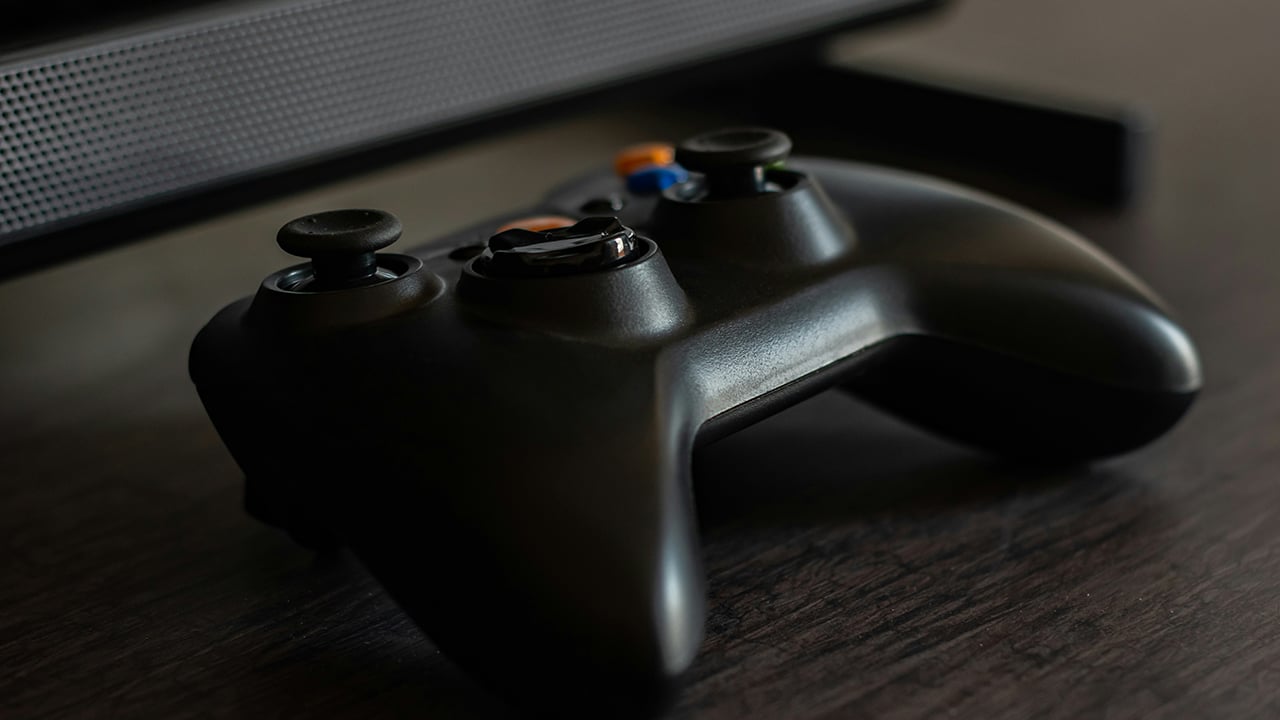
Controller manufacturer Hori announced the launch of a new officially licensed gamepad for Steam last week. Scheduled to launch on October 31 in Japan (for now), the Wireless Horipad for Steam is the first controller licensed by Valve since it discontinued its Steam controller in 2019.
The PC and SteamOS controller includes all the menu and share buttons found on the Steam Deck, including the touch-sensitive stick tops that can activate gyroscope sensors. Unlike its predecessor, it hosts a variety of options that can be customized using Hori’s software, including four built-in programmable buttons similar to those on the Steam Deck.
For Steam specific mode, the console includes two dedicated buttons — quick access and big picture mode. As for connectivity, it supports both Bluetooth wireless and wired USB connections, similar to other popular controllers from Xbox and PlayStation.
According to The Verge , while Horipad shares many similarities with Steam Deck — “it lacks rumble, a matching set of four back buttons, and [its] signature trackpads.”
The product is currently available for pre-order exclusively on Hori’s Japan website in white, midnight black, neon yellow, and violet. It is currently priced at ¥7,980, which is approximately $50 USD at the time of writing.
There has been no announcement regarding a wider release. According to The Verge, this limited availability may be due to the rising popularity of PC gaming and console hardware in Japan. Data from Kadokawa ASCII Research Laboratories revealed that PC gaming in Japan saw a significant annual increase of 43%, reaching US$1.3 billion, while the console hardware segment grew by 3.4%, reaching US$1.4 billion in 2022.
Interestingly, on the same day Hori announced the launch of its Steam-centric controller, Valve published an article which discussed statistics on the rising use of controllers in Steam. The article also included a recent update on controller support implemented by Valve in Steam.

Photo by Alexander Shatov on Unsplash
YouTube Wants Record Labels’ Permission To Train AI Music Tools
- Written by Andrea Miliani Former Tech News Expert
- Fact-Checked by Justyn Newman Former Lead Cybersecurity Editor
Youtube has been approaching major record labels like Sony, Universal, and Warner, to agree on licensing deals to train new AI music tools. According to the Financial Times , YouTube is developing AI technologies that will be launched later this year and wants permission to train them and clone artists’ music.
The tech giant wants to reach financial agreements to avoid legal repercussions, just like OpenAI has been doing with major publications and media corporations like Time and News Corp .
YouTube has also reached out to artists. Last year, ten artists—including Troye Sivan, John Legend, and Charli XCC—agreed to participate in a test product to create music clips called “Dream Track.” In May, YouTube shared updates for the app including instrumental music generated by AI to this tool. “We’re excited to continue to ideate more Dream Track features that we hope enable deeper engagement between music fans and artists on YouTube,” states the document .
And new projects other than Dream Track and involving licensed music are in development. “We’re not looking to expand Dream Track but are in conversations with labels about other experiments,” declared Google to the Financial Times.
However, YouTube’s strategy could affect and upset artists as well, especially those who have already spoken out against this type of technology. According to The Guardian , just two months ago, a group of over 200 artists— including Stevie Wonder, Billie Eilish, J Balvin, and Nicki Minaj— signed an open letter against the use of AI technologies similar to the ones YouTube is developing. “We must protect against the predatory use of AI to steal professional artists’ voices and likenesses, violate creators’ rights, and destroy the music ecosystem,” states the document .
A few users on Reddit have already expressed their concern regarding YouTube’s deal attempts. “This represents a significant disadvantage for artists, who receive minimal compensation while enduring corporations have the ability to market their art—or a convincing imitation of “new” art in their style—indefinitely, even after the demise of the artist’s descendants,” wrote one user.
Painters and photographers have also shared their concerns over AI taking over human art , and have created new platforms like Cara in order to protect human-created content from major tech giants.
