Image by DC Studio, from Freepik
U.S. Sanctions Chinese Cyber Firm Over Cyberattack That Could Have Caused Fatalities
- Written by Kiara Fabbri Former Tech News Writer
- Fact-Checked by Justyn Newman Former Lead Cybersecurity Editor
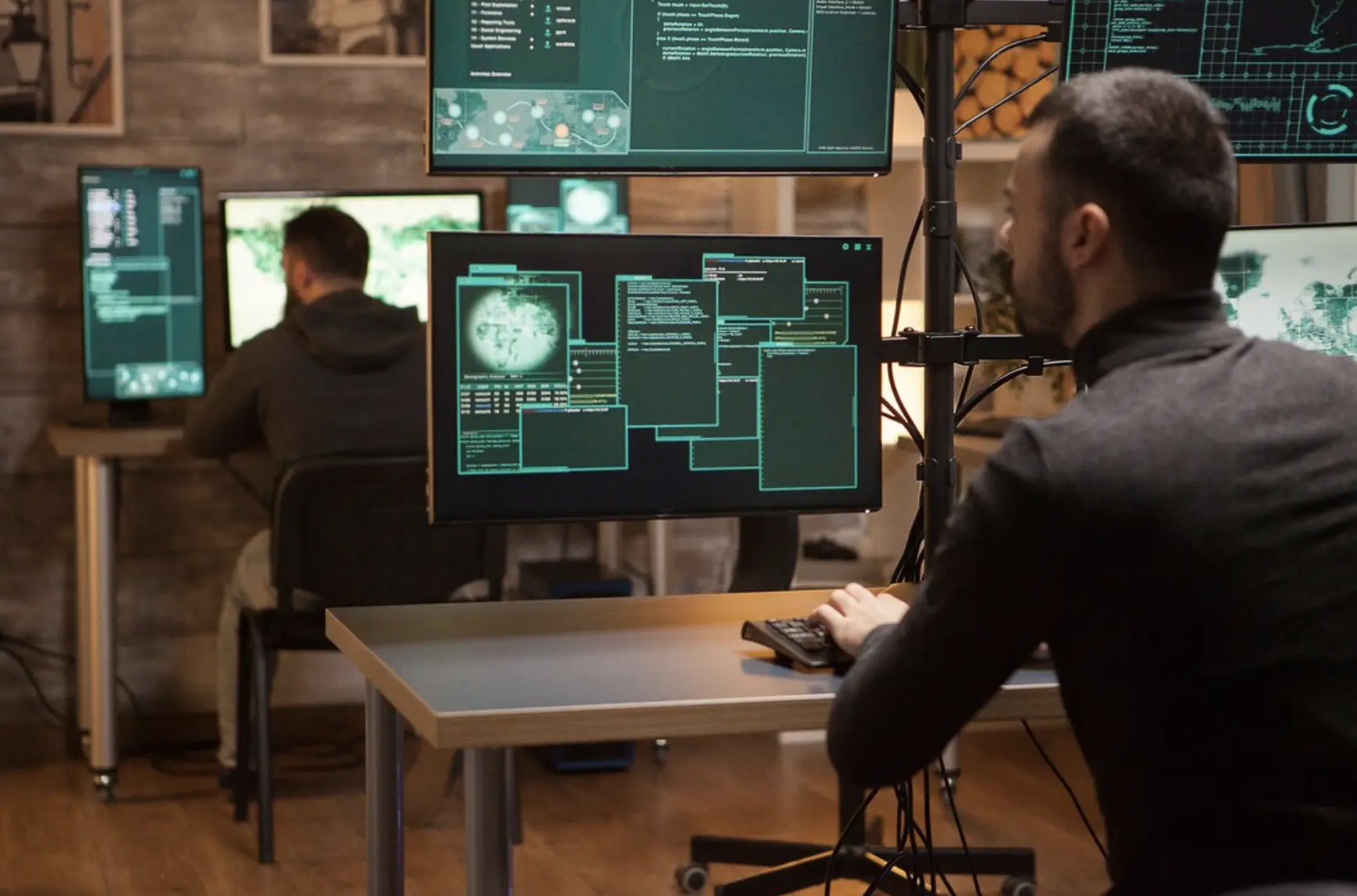
The United States has sanctioned the Chengdu-based Sichuan Silence Information Technology Company and one of its employees, Guan Tianfeng, over a sweeping cyberattack that Treasury officials warn could have had deadly consequences.
In a Rush? Here are the Quick Facts!
- Malicious software targeted 80,000 firewalls, stealing data and deploying ransomware.
- Attack endangered critical infrastructure, including active oil drilling operations.
- Guan Tianfeng faces charges; FBI offers $10M reward for information on him.
In a statement released on Tuesday, the U.S. Treasury revealed that Sichuan Silence deployed malicious software to over 80,000 firewalls operated by thousands of companies worldwide in April 2020. The malware not only stole sensitive data but also installed ransomware that encrypted corporate networks, leaving them inoperable.
Over 23,000 of the compromised firewalls were located in the United States, including 36 safeguarding critical infrastructure systems. Without timely patches or swift cybersecurity intervention, these intrusions could have had devastating effects.
According to the Treasury, one energy company targeted in the campaign was engaged in active drilling operations during the attack. The malicious activity, had it not been mitigated, “could have caused oil rigs to malfunction,” potentially resulting in “serious injury or the loss of human life.”
The U.S. Department of Justice has also charged Guan Tianfeng with conspiracy to commit computer and wire fraud, according to an indictment made public on Tuesday, as reported by Reuters .
The FBI is offering a $10 million reward for information on Guan, also known online as “gxiaomao,” his company, or their hacking activities, said Reuters.
The sanctions freeze any U.S.-based assets of Sichuan Silence and Guan, while generally prohibiting U.S. banks, companies, or individuals from conducting business with them, reported Aljazeera .
When contacted, Sichuan Silence did not respond to inquiries, and Reuters was unable to locate Guan for comment. Beijing has consistently denied any involvement in hacking or other malicious cyber activities.
Ross McKerchar, chief information security officer of the UK-based cybersecurity firm Sophos, whose routers were among those targeted in the 2020 attack, condemned the hackers’ persistence. “The attackers showed relentless determination,” he said in a statement reported by Reuters.
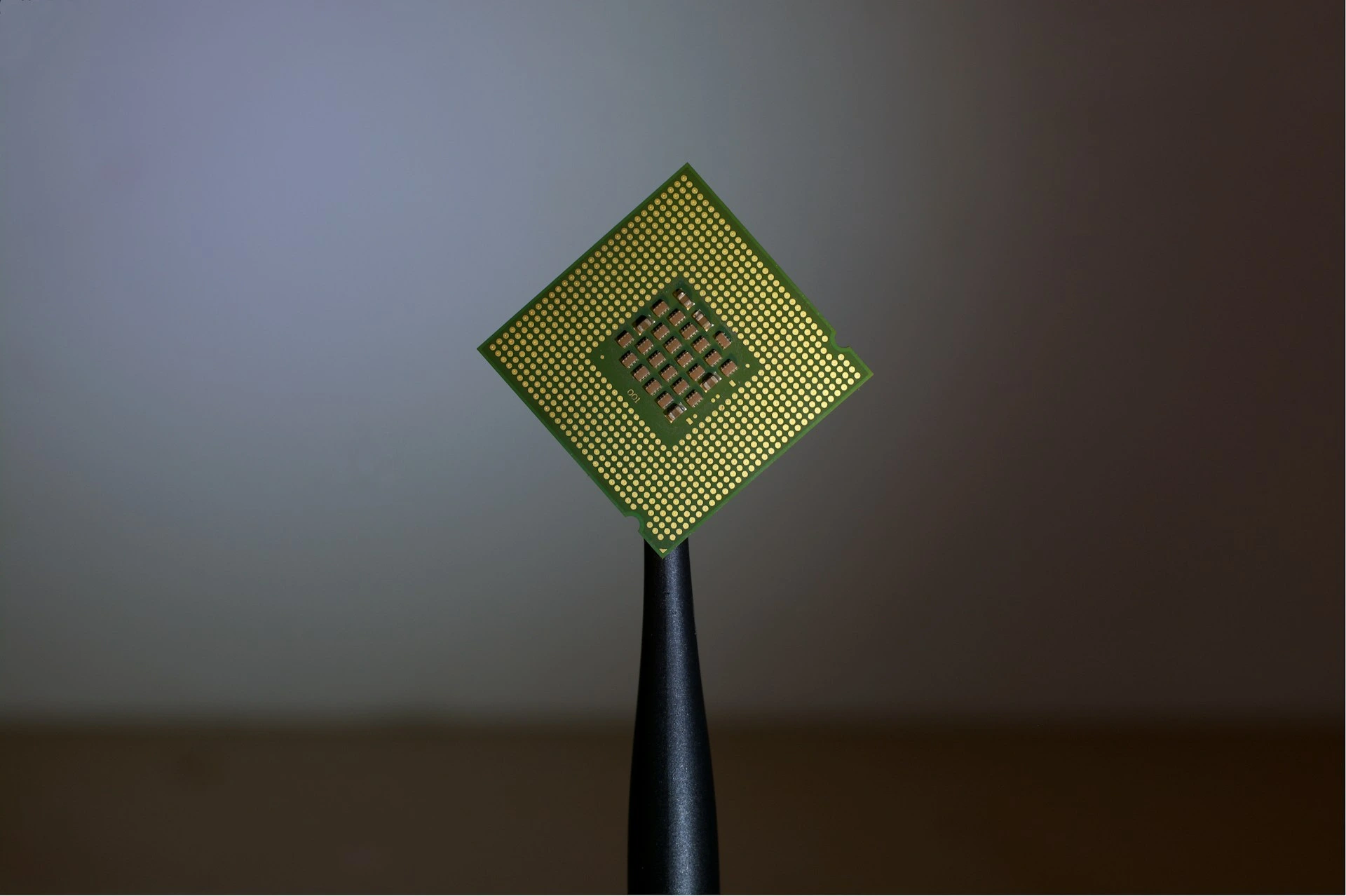
Photo by Brian Kostiuk on Unsplash
Google Unveils Quantum Chip As New Key Breakthrough in Computing
- Written by Andrea Miliani Former Tech News Expert
Google unveiled yesterday a new chip called Willow that can be used with quantum computers—supercomputers that are smarter and exponentially faster than traditional computers—and has reached two achievements described as remarkable breakthroughs in the field by the company.
In a Rush? Here are the Quick Facts!
- Google unveiled a new quantum chip capable of reducing errors and scaling up quantum computers, reaching a significant milestone in the field
- Willow helped solve a complex computation in 5 minutes, whereas it would take 10 septillion years for today’s fastest computer
- The technology has revolutionizing potential but still needs improvement for real-life application
The powerful processor fabricated in Santa Barbara contains qubits—quantum bits, the fundamental unit in quantum computing, instead of the classical binary bits—that can now reduce errors and scale up the system to make it “more quantum.” This historic achievement reached by Google Quantum AI is known in the field as “below threshold” and experts have been trying to get there since 1995.
The second record is reaching the fastest speed registered for solving the random circuit sampling (RCS) benchmark—considered the hardest test for a quantum computer. Google researchers got Willow to solve the standard benchmark computation in just five minutes when it would take one of today’s fastest computers around 10 septillion years—exceeding the age of the universe and known timescales, even suggesting a relation with the multiverse theory.
“My colleagues sometimes ask me why I left the burgeoning field of AI to focus on quantum computing,” wrote Neven, founder of Quantum AI in 2012. “My answer is that both will prove to be the most transformational technologies of our time, but advanced AI will significantly benefit from access to quantum computing. This is why I named our lab Quantum AI.”
The challenge now will be to improve the technology to apply it to real-world problems and Google believes they aren’t too far from it with Willow.
A few months ago, Google Deepmind also reached a bechmark for researchers since 1980 with its human-level competitive ping-pong robot.
