U.S. Lawmakers Pass Bill That Could Ban TikTok in the U.S.
- Written by Elijah Ugoh Cybersecurity & Tech Writer
- Fact-Checked by Justyn Newman Former Lead Cybersecurity Editor
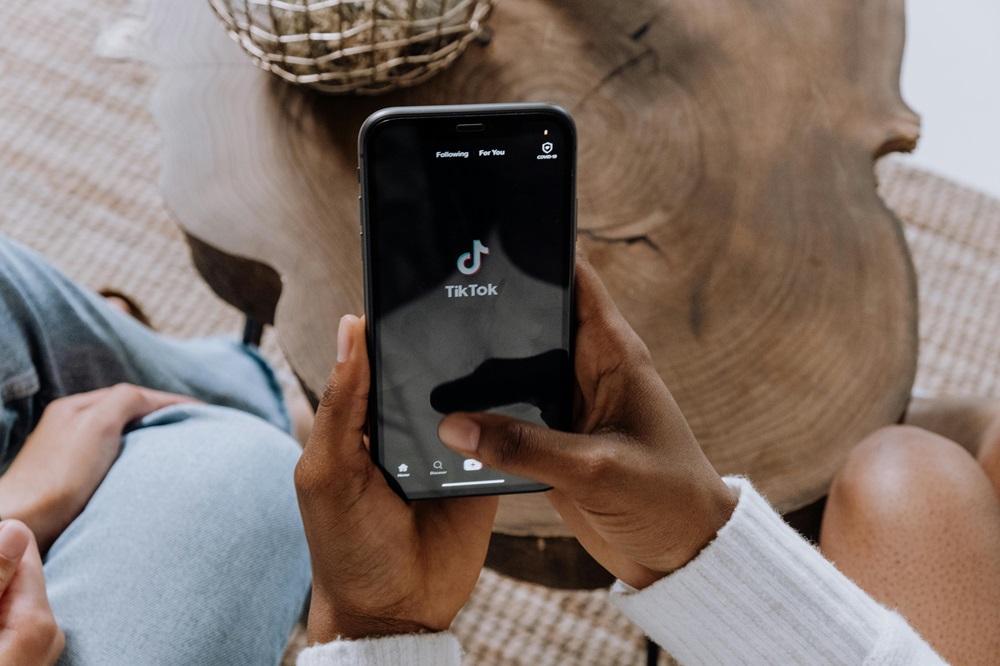
The US House passed a bill to ban TikTok in the United States on 13th March. The ban on the popular short video content platform comes over growing security concerns and President Biden says he will sign the bill once Congress passes it.
In March 2024, the House Energy and Commerce Committee introduced a bill calling for TikTok to disassociate itself from its parent company, ByteDance, within six months or face a ban in the United States. The legislation, which is called the “Protecting Americans from Foreign Adversary Controlled Applications Act”, actually wants ByteDance to transfer ownership of TikTok to non-Chinese owners.
This is not the first time legislators or government authorities in the US have moved to control the operation of TikTok in the country. In February 2023, The White House mandated federal agencies to delete the app from government devices within 30 days.
In 2020, Former President Trump tried to remove TikTok from app stores and also called on ByteDance to divest the app, citing national security concerns. This was stopped by the courts. Montana Gov. Greg Gianforte signed a bill to ban TikTok from operating inside the state, but a federal judge granted a preliminary injunction to stop the ban .
Various cities, state governments, and colleges have also barred access to the app, preventing their workers from downloading it on app stores or using it over their WiFi.
But why so much pressure on TikTok?
It’s all about ByteDance’s relationship with the Chinese government. According to the New York Times , US lawmakers have pointed to Chinese laws that allow China to secretly collect data from Chinese companies and citizens for intelligence-gathering operations.
To make matters worse, TikTok has confirmed that some of the user data it collects is stored with its parent company in China . It was for this same reason that India implemented a nationwide ban on TikTok and several other Chinese-owned apps in mid-2020.
Critics are also worried that China could use TikTok’s content recommendations to push misinformation to its US audience. But, the biggest concern is whether the US government should have the power to ban an app that Americans use to share their views, promote their businesses, and create daily discussions.
Speaking with the New York Times, Caitlin Chin, a fellow at the Center for Strategic and International Studies, said that “such legislation could face legal challenges on First Amendment grounds”.

Over 15K Roku Accounts Hacked in Credential Stuffing Attack
- Written by Shipra Sanganeria Cybersecurity & Tech Writer
- Fact-Checked by Justyn Newman Former Lead Cybersecurity Editor
On March 8, Roku disclosed that 15,363 customer accounts were compromised in a data breach incident, said to have occurred over a period of three months starting December 28, 2023.
The popular streaming TV company in a breach notice filed with the Office of the Maine Attorney General revealed that the incident was first discovered on January 4, 2024. Using credentials exposed in third-party data breaches, the attackers used the hacked account details to commit fraudulent purchases.
‘’It appears likely that the same username and password combinations had been used as login information for such third-party services as well as certain individual Roku accounts’’, Roku’s data breach notification revealed .
‘’As a result, unauthorized actors were able to obtain login information from third-party sources and then use it to access certain individual Roku accounts.’’
On gaining access, the attackers not only changed the login details, like email IDs and passwords, but in a few instances also attempted to purchase streaming subscriptions and hardware.
The company was quick to assure the affected customers that despite the breach, the hackers were unable to access social security numbers, full payment account numbers, dates of birth, or other sensitive personal information.
Roku said that the impacted accounts were secured from ‘’further unauthorized access’’ by forced password resets. In addition to notifying law enforcement, its security team investigated account activity for any fraudulent transactions.
If found, steps were taken to cancel and refund any unauthorized subscriptions as well as charges.
Impacted customers were notified of the incident, and legitimate account holders were advised to visit ‘’my.roku.com’’ and click on the “Forgot password?” button to receive a password reset link.
Users were also advised to review their subscriptions and connected devices linked to their accounts.
This is not the first time that Roku has been targeted by threat actors. The growing popularity of the streaming device has made it an easy target for actors with nefarious intentions. And because of the methods used to interact with a Roku device and Roku’s services, there are a lot methods used by scmamers to con people, including device takeover, phishing emails, activation scams, and offering fake deals.
If your Roku account has been compromised, secure your account and fill out Roku’s scam report form immediately.
