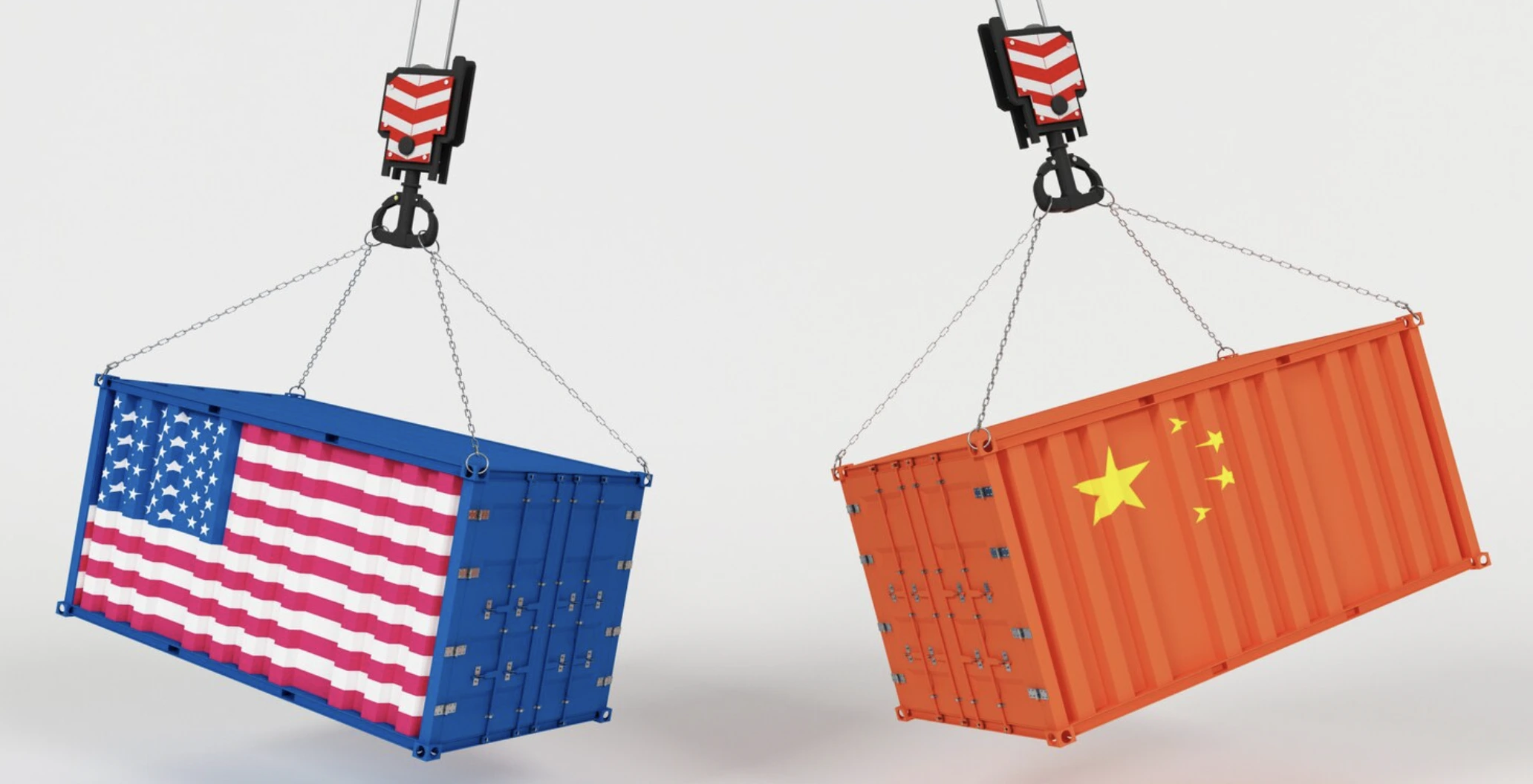
Image by kjpargeter, from Freepik
U.S. Finalizes Rules To Limit Investment In China’s AI And Tech Sectors
- Written by Kiara Fabbri Former Tech News Writer
- Fact-Checked by Justyn Newman Former Lead Cybersecurity Editor
In a Rush? Here are the Quick Facts!
- New U.S. rules restrict investments in China’s tech sectors, effective January 2, 2024.
- The rules target semiconductors, quantum tech, and AI systems in China.
- American investors can still invest in publicly traded Chinese tech companies.
The Biden administration has announced it is putting the final touches on rules to limit American investments in certain Chinese technology industries, specifically in AI, semiconductors, and quantum technology, reported yesterday Reuters .
These new rules, which take effect on January 2, 2024, aim to prevent U.S. expertise and money from aiding China’s advancements in high-tech sectors, particularly those that could support its military growth, noted Reuters.
Reuters points out that this decision follows an executive order President Joe Biden signed in August 2023, directing the U.S. Treasury to limit investments in three critical sectors: semiconductors and microelectronics, quantum information technology, and certain artificial intelligence systems.
The rules were initially proposed in June, and the newly formed Office of Global Transactions within the Treasury Department will oversee their implementation, according to Reuters.
Commerce Secretary Gina Raimondo emphasized that these regulations are essential for U.S. national security, as they aim to prevent China from developing technologies that could potentially support its military efforts, as reported by Reuters.
U.S. officials have expressed concerns over China’s ability to leverage foreign technology to dominate global markets and to enhance its military capabilities. The Biden administration sees the new rules as a preventive measure to curb China’s influence and technological advancements, reported Reuters.
Reuter points out that the regulations do, however, allow for exceptions. American investors will still be able to invest in Chinese tech companies that are publicly traded, as these are not covered under the new restrictions.
Yet, the administration clarified to Reuters that previous orders already prevent investments in certain Chinese companies designated as security risks.
The U.S. House Select Committee on China has also voiced its concerns, criticizing major American financial index providers for funneling billions of dollars from U.S. investors into Chinese companies believed to be supporting China’s military and security objectives, said Reuters.
The committee argues that such investments indirectly contribute to China’s technological and military advancements, urging stricter oversight.
The rules are part of the Biden administration’s broader strategy to reduce U.S. dependence on Chinese technology and to limit China’s access to critical resources and expertise. The administration hopes that these measures will help safeguard U.S. interests and maintain a competitive edge in the global tech landscape.

Image by L.C. Nøttaasen, from Flickr
Brazil Sued TikTok, Kwai, And Meta For Minors’ Safety Concerns
- Written by Kiara Fabbri Former Tech News Writer
- Fact-Checked by Justyn Newman Former Lead Cybersecurity Editor
In a Rush? Here are the Quick Facts!
- The lawsuits demand 3 billion reais ($525 million) in damages from the companies.
- The Institute claims platforms lack adequate protections for minors using social media.
- Social media regulation debates are heating up globally over minors’ safety and addiction issues.
Brazil’s Collective Defense Institute, a consumer rights group, has filed two lawsuits against the Brazilian branches of TikTok, Kwai, and Meta Platforms. The institute alleges that these companies have failed to prevent minors from indiscriminately using their platforms, as reported by Reuters today.
The lawsuits seek 3 billion reais (approximately $525 million) in damages, asserting that these social media giants have not taken adequate steps to protect minors and ensure their safety on these platforms, said Reuters.
“It is urgent that measures be adopted in order to change the way the algorithm works, the processing of data from users under 18, and the way in which teenagers aged 13 and over are supervised and their accounts created, in order to ensure a safer, healthier experience … as is already the case in developed countries,” said lawyer Lillian Salgado to Reuters.
The Brazilian government’s scrutiny follows similar global trends. The UK Parliament, for instance, is currently considering legislation to regulate young people’s smartphone use to curb social media addiction and its potential negative impacts.
If passed, this bill would establish stricter rules governing minors’ use of mobile phones and social media. However, some academics warn that while restrictions may help reduce addiction, they might also limit children’s access to the educational and social benefits of digital technology.
in response to brazil’sban Meta Platforms stated that it aims “young people to have safe and age-appropriate experiences on our apps, and we have been working on these issues for over a decade, developing more than 50 tools, resources, and features to support teens and their guardians,” noted Reuters.
Meta also announced a new “Teen Account” on Instagram, set to launch soon in Brazil, which will automatically restrict which accounts teens can view and who may contact them, said Reuters.
Meanwhile, TikTok reported that it has not received any notification about the case, while Kwai, a short-video platform, reiterated that user safety, particularly for minors, is one of its top priorities, noted Reutes.
This lawsuit comes just weeks after President Luiz Inácio Lula da Silva stated that Brazil would consider banning online betting websites if new regulations fail to address gambling addiction.
As the global conversation on regulating social media and smartphone use continues, finding a balance between protecting young users and ensuring access to beneficial technology is becoming more critical.
