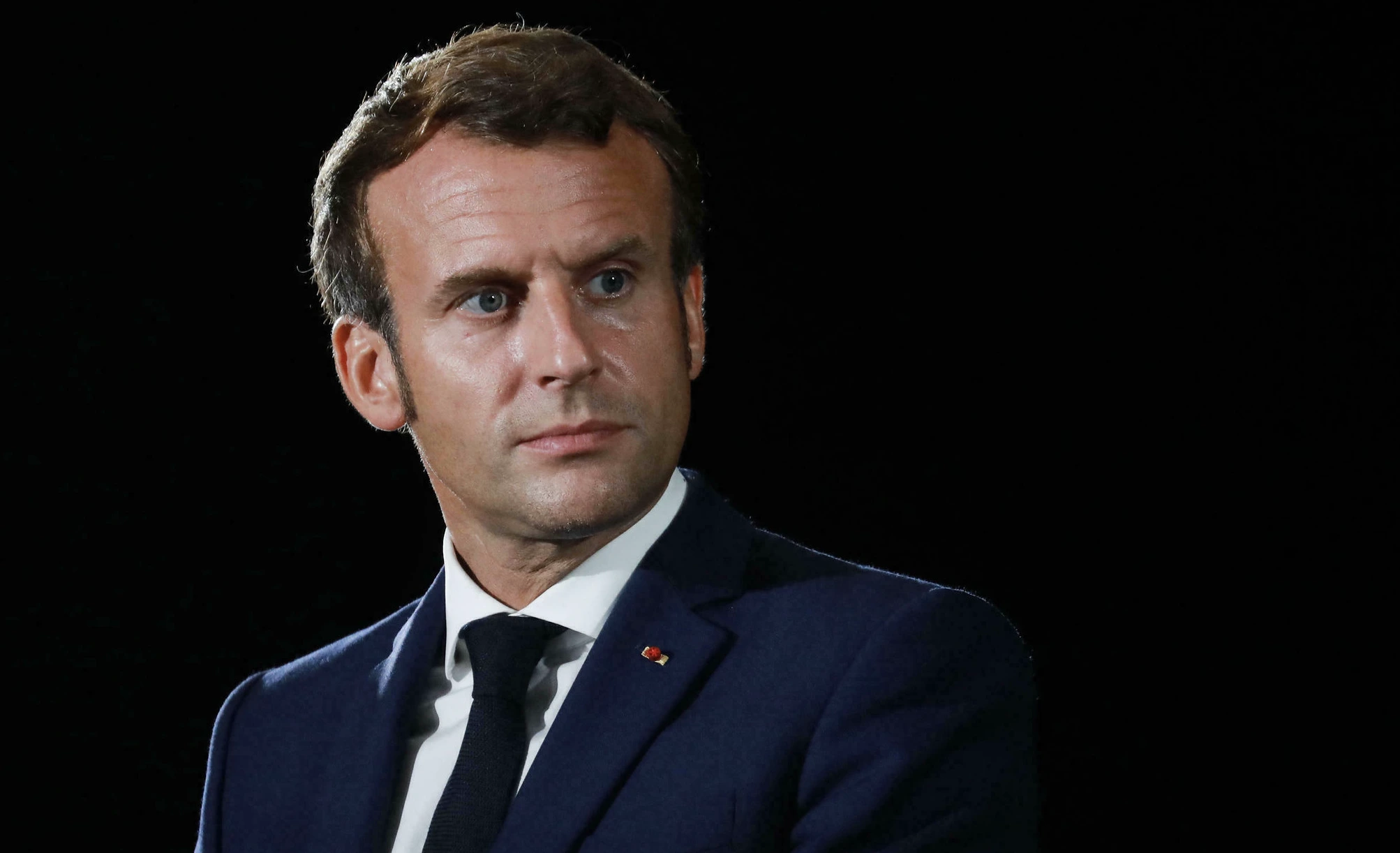
Image by Faces Od The World, by Flickr
US And UK Decline AI Declaration Over Regulatory Concerns
- Written by Kiara Fabbri Former Tech News Writer
- Fact-Checked by Justyn Newman Former Lead Cybersecurity Editor
The United States and the United Kingdom declined to sign a joint declaration on artificial intelligence at the Paris AI Summit on Tuesday , citing concerns over regulatory overreach and national security.
In a Rush? Here are the Quick Facts!
- JD Vance argued excessive AI regulations could harm innovation and national security.
- The UK criticized the declaration’s lack of practical clarity and security focus.
- India will host the next AI summit, emphasizing democratic values and international cooperation.
The declaration, endorsed by dozens of countries, including China, called for AI development to be “open, inclusive, transparent, ethical, safe, secure and trustworthy,” as reported by DW .
US Vice President JD Vance defended Washington’s decision, arguing that excessive regulations could stifle innovation. “We believe that excessive regulation of the AI sector could kill a transformative industry,” Vance said at the summit, as reported by DW.
While the UK did not provide a detailed explanation for its stance, a spokesperson for Prime Minister Keir Starmer stated that the declaration lacked “practical clarity” on global governance and did not adequately address national security concerns, said DW.
Furthermore, The Guardian reports that when asked if Britain had declined to sign because it wanted to align with the US, Starmer stated they were “not aware of the US reasons or position” on the declaration. A government source dismissed the idea that Britain was trying to gain favour with the US.
However, a Labour MP remarked: “I think we have little strategic room but to be downstream of the US.” They further noted that US AI firms might cease engaging with the UK government’s AI Safety Institute, a leading global research body, if Britain was seen as adopting an overly restrictive stance on the development of the technology, as reported by The Guardian. China’s decision to sign the declaration surprised some observers, given its history of strict government control over AI development.
Although Vance did not directly reference China in his remarks, he alluded to the risks of relying on “cheap tech” subsidized by authoritarian regimes, warning that such partnerships could compromise national security, as noted by DW.
French President Emmanuel Macron acknowledged concerns over regulatory barriers but emphasized the need for “trustworthy AI.”
DW reports that he emphasized the importance of regulations to maintain public trust in AI systems. The European Commission supported this view, with President Ursula von der Leyen calling for streamlined bureaucracy while ensuring robust oversight.
However, the EU AI Act has faced criticism, particularly regarding the potential influence of Big Tech companies in shaping AI standards . Critics have also raised concerns about significant loopholes, especially regarding policing and migration authorities .
India, which co-hosted the summit alongside France, took a central role in the discussions. Indian Prime Minister Narendra Modi called for international cooperation to establish AI governance frameworks that uphold democratic values and mitigate risks. The Élysée Palace announced that India would host the next AI summit, as reported by DW.
The summit took place amid growing tensions in the AI industry, with ongoing competition between US-based OpenAI and Chinese AI firms. The absence of US and UK signatures highlights the ongoing divide between regulatory approaches to AI development worldwide.
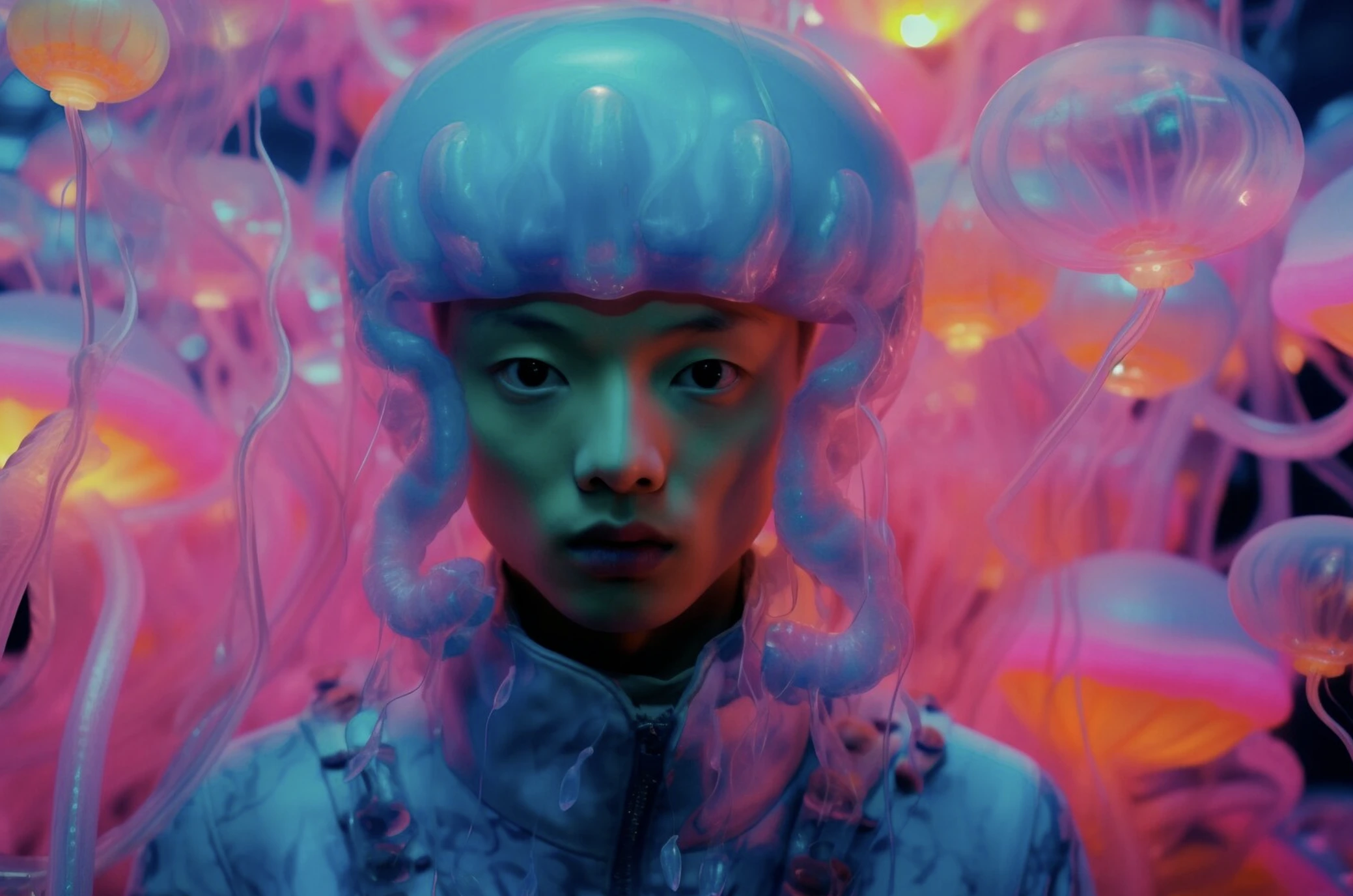
Image by Freepik
Christie’s Faces Backlash for AI Art Auction Amid Copyright Controversy
- Written by Kiara Fabbri Former Tech News Writer
- Fact-Checked by Justyn Newman Former Lead Cybersecurity Editor
Nearly 4,000 people have signed an open letter urging Christie’s New York to cancel its upcoming Augmented Intelligence sale, which is set to feature art created with AI. This marks the first time a major auction house will dedicate an entire sale to AI-generated art .
In a Rush? Here are the Quick Facts!
- Concerns focus on AI models using copyrighted work without artists’ permission or payment.
- Christie’s defends the auction, stating artists’ work is enhanced by AI technology.
- Ed Newton-Rex criticizes Christie’s for condoning AI models that exploit human artists.
The letter , which began circulating the day after the sale’s announcement, highlights concerns that the AI programs used to create some of the pieces were trained on copyrighted works without permission, potentially exploiting human artists, as first reported by CNN.
The auction, which is expected to generate over $600,000, includes work by well-known artists such as Refik Anadol, Harold Cohen, Holly Herndon, Mat Dryhurst, Alexander Reben, and Claire Silver.
The sale, which features over 20 lots, spans five decades and includes a variety of works, including digitally native pieces like non-fungible tokens (NFTs), as well as light boxes, screens, sculptures, paintings, and prints. Bidding is set to begin on February 20 and end on March 5.
The letter’s authors argue that AI models used in the creation of some of the works were trained on copyrighted material without the consent of the original creators. “These models, and the companies behind them, exploit human artists, using their work without permission or payment to build commercial AI products that compete with them,” the letter states.
“Your support of these models, and the people who use them, rewards and further incentivizes AI companies’ mass theft of human artists’ work.”
CNN argues that the controversy stems from the use of copyrighted works to train generative AI models like Midjourney, Stable Diffusion, and Dall-E, which has led to lawsuits against technology companies.
While artists argue that their work is used without compensation, the companies defend their practices by citing fair use, which allows limited use of copyrighted material without permission.
Ed Newton-Rex, CEO of the non-profit Fairly Trained, which certifies generative AI companies for fairer data sourcing, criticized Christie’s for condoning the models.
I’ve looked at the public statements of the artists involved in the Christie’s AI art auction, and I think it’s likely that at least 9 or so of the works being sold use models trained on copyrighted work without permission. I don’t blame the artists for this – they’re just using… https://t.co/1AKqBa5aS6 — Ed Newton-Rex (@ednewtonrex) February 10, 2025
Christie’s digital art specialists, Nicole Sales Giles and Sebastian Sanchez, are overseeing the auction.
In a statement to The Art Newspaper , the auction house defended the sale, stating, “The artists represented in this sale all have strong, existing multidisciplinary art practices, some recognised in leading museum collections. The works in this auction are using artificial intelligence to enhance their bodies of work.”
While some, like artist Sarp Kerem Yavuz, argue that AI-generated art is not theft.
“Most AI-generated images result from the combination of millions — literally millions — of images, which means no single artist can claim that an image of a meadow, a heroic knight, a cat or a flower was based on their specific creation,” he wrote in a statement, as reported by CNN.
“AI-generated images mimic human inspiration in many ways — they’re just more efficient at parsing through information,” he added.
Last month, the US Copyright Office ruled that artists can copyright works created with AI tools , but “purely AI-generated material” remains ineligible for protection.
