
Image by Glashier, from Freepik
University Of Chicago’s Glaze And Nightshade Offer Artists A Defense Against AI
- Written by Kiara Fabbri Former Tech News Writer
- Fact-Checked by Sarah Frazier Former Content Manager
In a Rush? Here are the Quick Facts!
- Glaze and Nightshade protect artists’ work from unauthorized AI training use.
- Glaze masks images to prevent AI from replicating an artist’s style.
- Nightshade disrupts AI by adding “poisoned” pixels that corrupt training data.
Artists are fighting back against exploitative AI models with Glaze and Nightshade , two tools developed by Ben Zhao and his team at the University of Chicago’s SAND Lab, as reported today by MIT Technology Review .
These tools aim to protect artists’ work from being used without consent to train AI models, a practice many creators see as theft. Glaze, downloaded over 4 million times since its release in March 2023, masks images by adding subtle changes that prevent AI from learning an artist’s style, says MIT.
Nightshade, an “offensive” counterpart, further disrupts AI models by introducing invisible alterations that can corrupt AI learning if used in training, as noted by MIT.
The tools were inspired by artists’ concerns about the rapid rise of generative AI, which often relies on online images to create new works. MIT reports that fantasy illustrator Karla Ortiz and other creators have voiced fears about losing their livelihoods as AI models replicate their distinct styles without permission or payment.
For artists, posting online is essential for visibility and income, yet many considered removing their work to avoid being scraped for AI training, an act that would hinder their careers, as noted by MIT.
Nightshade, launched a year after Glaze, delivers a more aggressive defense, reports MIT. By adding “poisoned” pixels to images, it disrupts AI training, causing the models to produce distorted results if these images are scraped.
Nightshade’s symbolic effect has resonated with artists, who see it as poetic justice: if their work is stolen for AI training, it can damage the very systems exploiting it.
MIT argues that the tools have faced some skepticism, as artists initially worried about data privacy. To address this, SAND Lab released a version of Glaze that operates offline, ensuring no data transfer and building trust with artists wary of exploitation.
The lab has also recently expanded access by partnering with Cara, a new social platform that prohibits AI-generated content, as noted by MIT.
Zhao and his team aim to shift the power dynamic between individual creators and AI companies.
By offering tools that protect creativity from large corporations, Zhao hopes to empower artists to maintain control over their work and redefine ethical standards around AI and intellectual property, says MIT.
The effort is gaining momentum, but some experts caution that the tools may not offer foolproof protection, as hackers and AI developers explore ways to bypass these safeguards, as noted by MIT.
With Glaze and Nightshade now accessible for free, Zhao’s SAND Lab continues to lead the charge in defending artistic integrity against the expanding influence of AI-driven content creation.
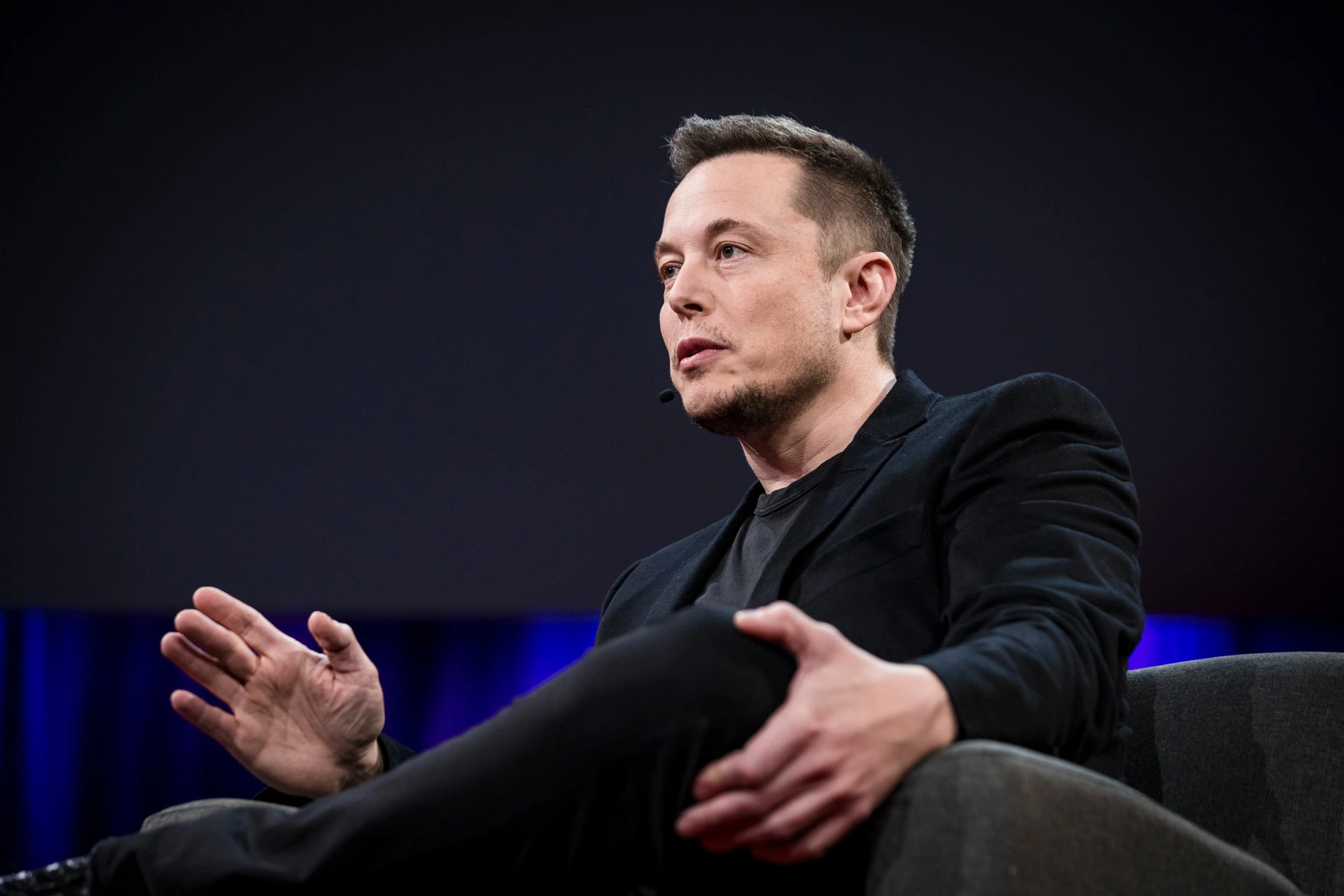
Photo: Bret Hartman / TED on Flickr
Trump Says Elon Musk Will Co-Lead Future Department Of Government Efficiency, Dogecoin Surges 20%
- Written by Andrea Miliani Former Tech News Expert
In a Rush? Here are the Quick Facts!
- Donald Trump chose Elon Musk and Vivek Ramaswamy as leaders of the future Department of Government Efficiency (DOGE)
- Dogecoin increased its value by 153%, surpassing Bitcoin’s 30%
- Musk had previously complained about U.S. bureaucracy slowing down his space missions and will now lead the department to ease these processes
Last night, President-elect Donald Trump announced entrepreneurs Elon Musk and Vivek Ramaswamy as leaders of the future Department of Government Efficiency. The new department Trump expects to create during his government has been referred to as DOGE, the same name as Musk’s memecoin DOGE, and the cryptocurrency surged over 20% this Tuesday.
“These two wonderful Americans will pave the way for my Administration to dismantle Government Bureaucracy, slash excess regulations, cut wasteful expenditures, and restructure Federal Agencies,” said Trump in a public announcement .
According to CNBC , Tuesday night Dogecoin went up nearly 20%. Since the elections, the cryptocurrency has increased its value by 153% surpassing Bitcoin—which increased its value by 30%. It could be a sign that retail investors are interested and willing to take risks.
This week, the Bitcoin price surpassed its record high above $82,000 . Trump’s support of the crypto market during his campaign and now government plans have increased crypto investors’ confidence and interest in the near future.
Elon Musk invested around $200 million—as reported by the Associated Press —to help the republican candidate during his campaign and Trump promised the billionaire participation during his government.
Trump said the new department will be “the Manhattan Project” of the moment and is expected to optimize bureaucratic processes in the United States and reduce government spending.
Musk has previously complained publicly about U.S. bureaucracy in executing his ambitious projects with his multiple tech companies. In September he explained that the government has been slowing down his space missions like Starship missions to colonize Mars, and expressed his concerns about Kamala Harris winning the elections.
