
Image by Freepik
UK Police Introduce Bluetooth Tile Trackers To Safeguard Dementia Patients
- Written by Kiara Fabbri Former Tech News Writer
- Fact-Checked by Justyn Newman Former Lead Cybersecurity Editor
Avon and Somerset Police has launched a new Bluetooth Tile device as part of its Dementia Safeguarding Scheme, offering enhanced protection for more than 1,600 people living with dementia.
In a Rush? Here are the Quick Facts!
- Tile devices leverage Life360’s global network to locate missing individuals quickly.
- Tile includes QR code for direct contact with next of kin or carers.
- Devices are provided free of charge and have reduced missing incidents by 80%.
The introduction of the Bluetooth-enabled Tile device is the latest innovation in Avon and Somerset Police’s Dementia Safeguarding Scheme, which has been safeguarding individuals living with dementia since its inception in 2015.
This new device, supported by Life360, aims to provide family members and carers with a discreet way to track the location of vulnerable individuals, offering peace of mind and swift response in emergencies.
The Tile trackers work by leveraging Life360’s global network, which connects over 76 million smartphones worldwide. This network creates a ‘location effect’ that allows carers and family members to pinpoint the wearer’s location if they go missing.
Importantly, the device ensures privacy, with location data visible only to authorised family or carers, ensuring sensitive information is kept secure. A key feature of the Tile device is its QR code functionality. When scanned, the code on the back of the device connects the wearer to their next of kin or carer via phone or text.
This contact information is securely stored during the device registration process within the Tile app, making it easy for emergency contacts to reach out quickly if the wearer needs assistance.
In terms of ease of use, the Tile device requires no maintenance beyond its initial setup, and the battery lasts for up to three years without needing to be recharged, making it a low-effort solution for long-term safeguarding.
The Dementia Safeguarding Scheme, founded by Inspector Stuart King in response to a rise in missing person incidents involving individuals with dementia, has been at the forefront of protecting vulnerable people.
The scheme incorporates the Herbert Protocol, which allows carers and families to upload crucial information about their loved ones to the Avon and Somerset Police website. This data can be accessed instantly by officers in case a person goes missing, significantly reducing search times and helping prevent harm.
Inspector Stuart King commented, “The introduction of Bluetooth-enabled devices from Life360 and Tile is a significant step forward in safeguarding those living with dementia.’’
“These discreet and user-friendly devices not only offer reassurance to families but can be a critical tool in emergency situations, enabling quick response and timely assistance,’’ he added.
Since its launch, the scheme has issued thousands of Near-Field Communication (NFC) wristbands and tags, thanks to donations from organisations such as Bristol Water, Wessex Water, and the Bristol Dementia Action Alliance.
These NFC devices store vital information, which can be accessed by emergency responders or the public via a smartphone. All of the devices, including the new Tile trackers, are offered free of charge to people living with dementia in Avon and Somerset.
The scheme’s success has garnered numerous national and international awards, including recognitions from the Alzheimer’s Society and the RFID technology industry. Independent studies have shown the scheme has reduced missing incidents by over 80%.
For more information or to register for the scheme, visit the Avon and Somerset Police website .
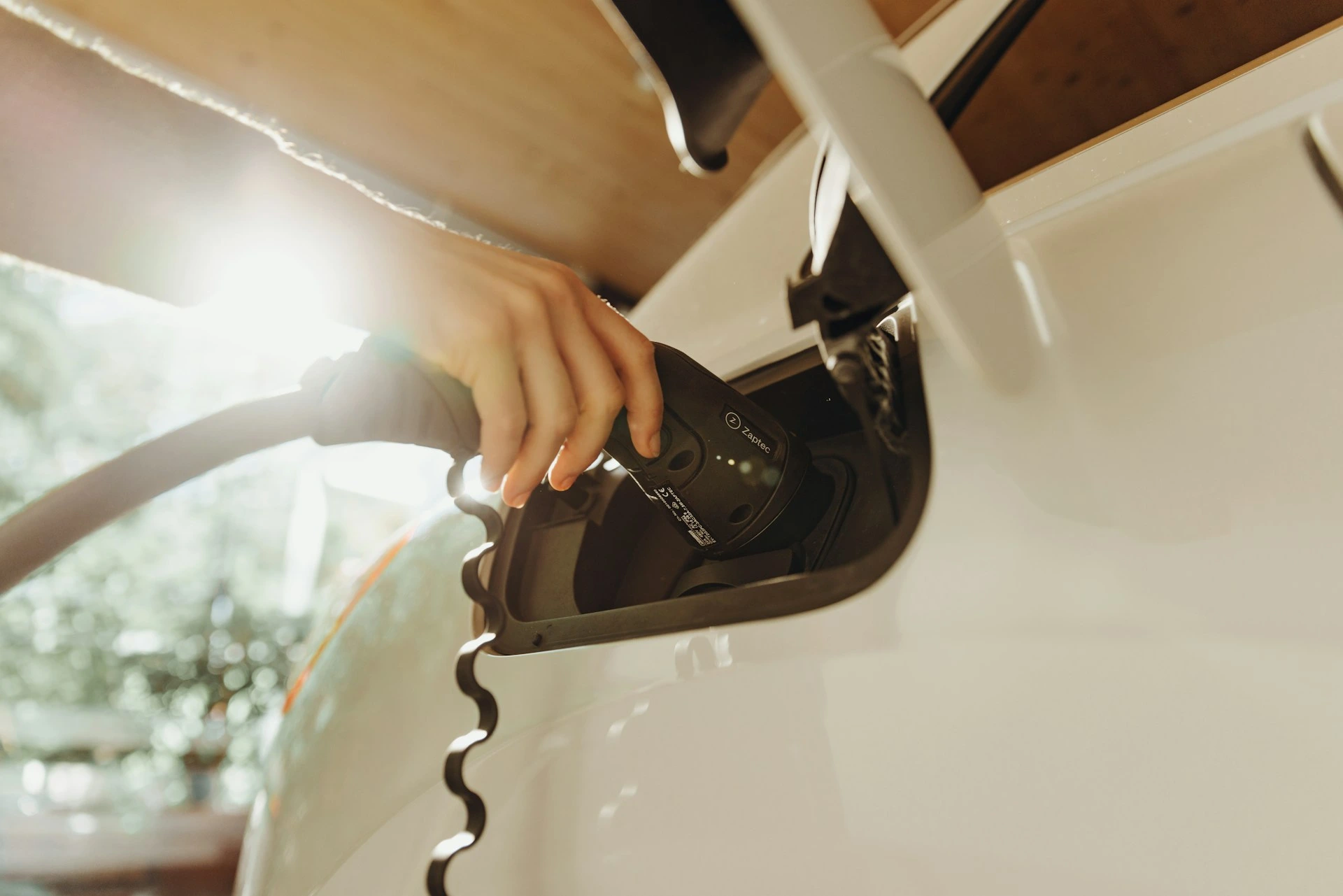
Photo by Zaptec on Unsplash
GM Abruptly Shuts Down Cruise Robotaxi Program
- Written by Andrea Miliani Former Tech News Expert
General Motors (GM), the largest automaker in the United States, announced this Tuesday that it ended its robotaxi program Cruise. The electric vehicle startup workers found out when the press release went public.
In a Rush? Here are the Quick Facts!
- GM announced yesterday its decision to stop funding its self-driving vehicle program
- The automaker will focus on developing an autonomous advanced driving system and gasoline vehicles
- Cruise workers learned about the end of the robotaxi program through Slack after the press release was published
According to Reuters , the automaker explained that its Cruise business was losing money and would stop developing self-driving vehicles considering the competitive market and the company’s needs to scale.
GM said in its public announcement that it will prioritize the company’s autonomous driving system for personal cars and combine Cruise and GM’s technical teams. GM acquired the majority of Cruise in 2016 and now expects to increase its ownership near 100% to restructure it and lower spending.
“GM will no longer fund Cruise’s robotaxi development work given the considerable time and resources that would be needed to scale the business, along with an increasingly competitive robotaxi market,” states the document.
According to TechCrunch , workers at Cruise learned about the end of the robotaxi program when Marc Whitten, Cruise CEO, shared the press release on a Slack post yesterday. Anonymous sources working at the EV startup said they were surprised by the decision—as they expected to launch a driverless service next year in Houston— and that they expect job cuts.
Cruise has been underperforming in the market this year as it has been under investigation for car accidents, and GM has been cutting back its efforts in electric vehicle development. According to Reuters, GM recently sold its stake in a battery plant and has been focusing on gasoline trucks and large vehicles as these are more profitable.
Toyota also announced a few weeks ago that, along with Nippon Telegraph and Telephone Corporation, they will invest and focus more on Software Defined Vehicle (SDV).
