
Image by Freepik
Trump Wants Green Card Applicants in the U.S. to Hand Over Social Media Profiles
- Written by Kiara Fabbri Former Tech News Writer
- Fact-Checked by Sarah Frazier Former Content Manager
The Trump administration’s new proposal requires immigrants applying for green cards, permanent residency, or asylum in the U.S. to provide their social media handles.
In a rush? Here are the quick facts:
- Critics argue the policy violates free speech and threatens privacy rights.
- Over 3.5 million applicants could be affected annually by the proposal.
- Public feedback on the proposal is open until May 5.
Previously, this requirement only applied to those outside the country. The U.S. Citizenship and Immigration Services (USCIS) stated that collecting social media information is necessary for “enhanced identity verification, vetting, and national security screening,” as first reported by The Intercept .
The Independent notes that critics argue that this proposal violates free speech and threatens privacy. Civil rights groups worry it will disproportionately target Muslim and Arab applicants, especially those who express support for Palestinian human rights.
Robert McCaw, from the Council on American-Islamic Relations, said this policy could silence lawful speech and disproportionately affect people from countries with different political climates, as noted by The Intercept.
The proposal follows concerns raised by incidents involving green card holders, like Mahmoud Khalil, detained after being labeled “pro-Hamas” for participating in protests, as previously reported by the AP and Axios .
The Intercept says that the plan could impact over 3.5 million applicants annually, including those who have lived in the U.S. for years.
Many worry that monitoring social media could lead to government overreach. Saira Hussain, from the Electronic Frontier Foundation, warned that automated systems might punish controversial speech, as reported by The Intercept.
She added that the First Amendment should protect everyone, regardless of their immigration status. Public feedback on the proposal is being collected until May 5, with many commenters expressing concerns over privacy and free speech.
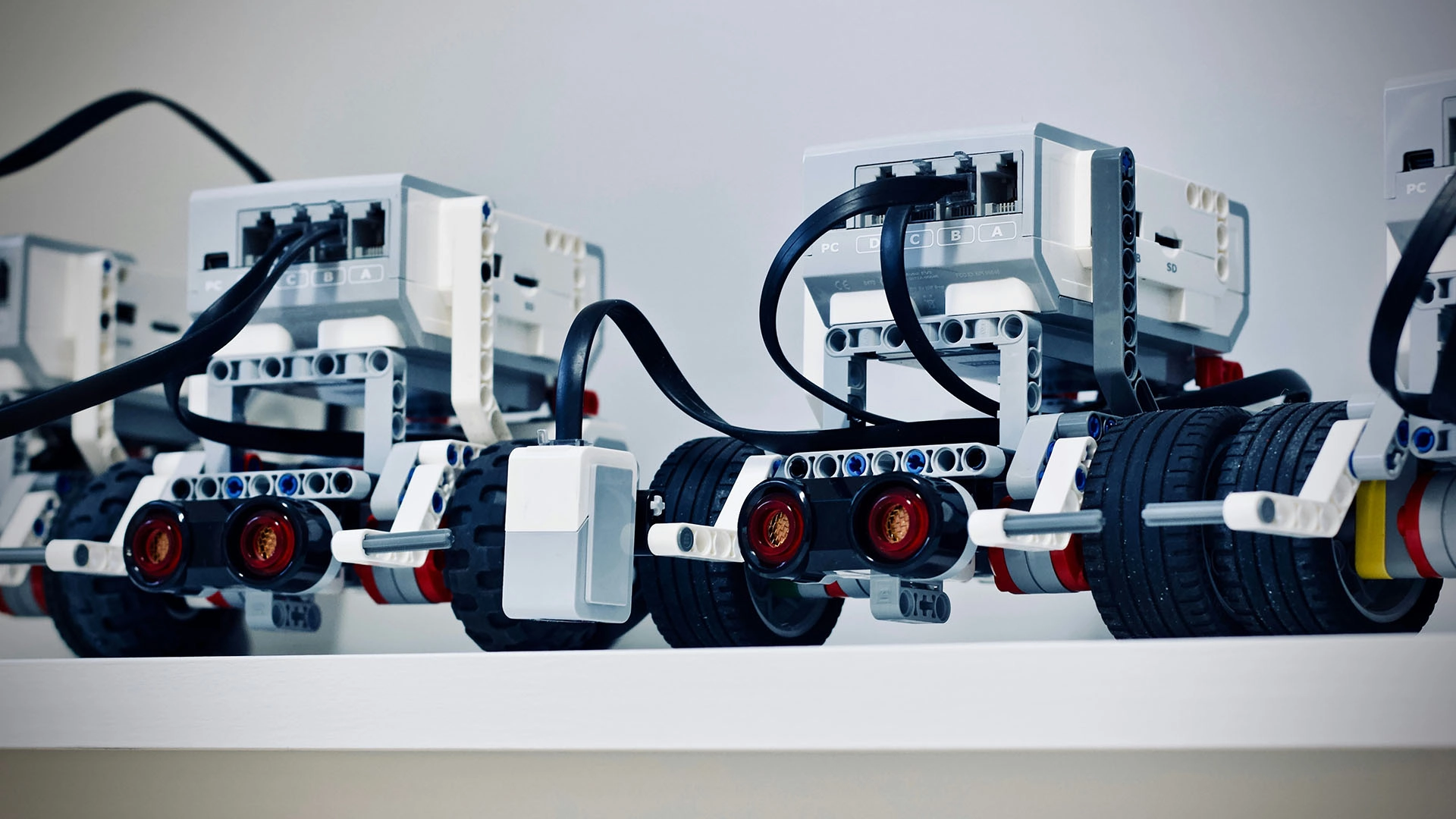
Photo by Jelleke Vanooteghem on Unsplash
Former Cruise CEO’s Robotics Startup, The Bot Company, Hits $2 Billion Valuation
- Written by Andrea Miliani Former Tech News Expert
- Fact-Checked by Sarah Frazier Former Content Manager
The American startup The Bot Company, founded by entrepreneur and former Cruise CEO Kyle Vogt, raised $150 million in a recent funding round, reaching a $2 billion valuation. The company will use artificial intelligence to develop hardware and software for non-humanoid household robots
In a rush? Here are the quick facts:
- The Bot Company raised $150 million, bringing its valuation to $2 billion.
- Founded by Kyle Vogt and ex-Tesla and Cruise engineers, the startup focuses on non-humanoid household robots.
- Despite no product or revenue yet, investors are betting on AI, robotics, and the team’s proven track record.
According to Reuters , the funding round was led by the firm Greenoaks. This recent round follows another $150 million investment from a round led by investors such as Nat Friedman—former GitHub CEO—and Spark Capital last year, when the startup reached unicorn status.
The Bot Company was founded in 2024 by Vogt, co-founder of Twitch and Cruise Automation—later acquired by General Motors—, and Luke Holoubek and Paril Jain, former engineers at Cruise and Tesla.
Investors are trusting the project and the talents behind The Bot Company, despite the startup not having released any products yet and not generating any revenue. This confidence is partly due to the boom in robotics and the current development of large language models. This trend is also reflected in the robot service market in Japan , which is already estimated to triple by 2030.
Anonymous sources told Reuters that the new startup’s products aim to assist people with everyday tasks—including household chores—and the robots the company is developing are non-humanoid machines that have a base and grips.
Investors in Silicon Valley are betting on autonomous robots as recent AI developments are now allowing more capabilities and features, along with more advanced technology. In 2024, VC investors’ funds in robotics reached $6.1 billion, 19% more than they did in 2023 as reported by PitchBook.
