Photo by René DeAnda on Unsplash
Trump Signs Executive Order To Develop Crypto Regulations And A National Stockpile
- Written by Andrea Miliani Former Tech News Expert
- Fact-Checked by Justyn Newman Former Lead Cybersecurity Editor
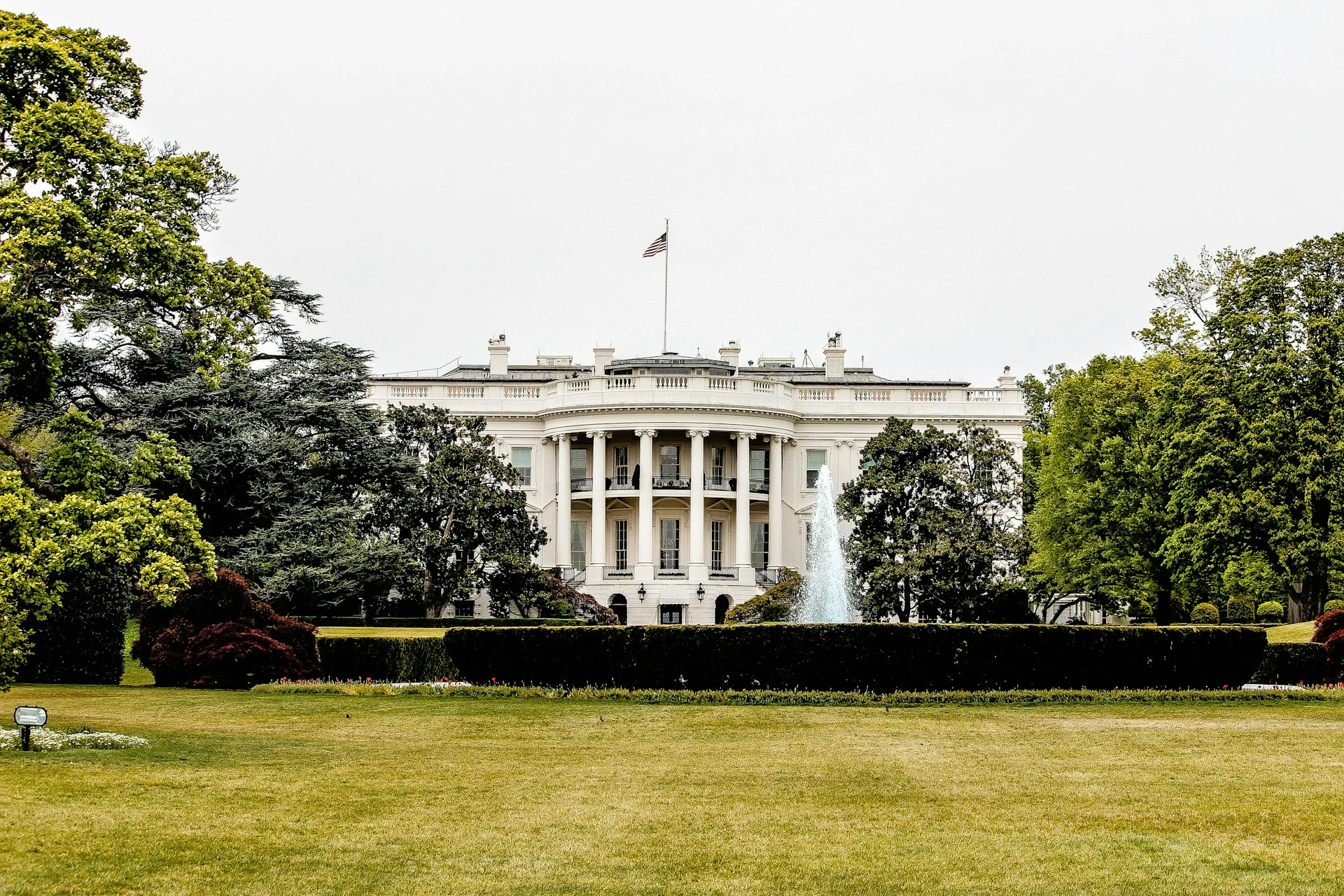
President Donald Trump signed an executive order on Thursday to regulate digital assets, creating a working group to develop a crypto framework, explore a national digital asset stockpile, and implement measures to foster the growth of the cryptocurrency industry in the United States.
In a Rush? Here are the Quick Facts!
- The new executive order signed by President Donald Trump includes multiple measures to ensure the growth of the cryptocurrency industry in the United States.
- Trump requested the creation of a Working Group to develop a digital assets regulatory framework.
- The order suggests the creation and maintenance of a national digital asset stockpile using cryptocurrencies taken by the U.S. government during law enforcement duties.
In its recent executive order, Strengthening American Leadership in Digital Financial Technology , Trump ordered the creation of a working group on digital assets, named the “Working Group”, including multiple roles, to come up with regulations, guidelines, and suggestions to create a federal regulatory framework.
WATCH: Donald Trump ordered the creation of a cryptocurrency working group tasked with proposing new digital asset regulations and exploring the creation of a national cryptocurrency stockpile, making good on his promise to overhaul US crypto policy https://t.co/jTK0ttyQHE pic.twitter.com/V7cLY4SpyS — Reuters Tech News (@ReutersTech) January 24, 2025
The Working group—led by David Sacks, a venture capitalist who recently joined the White House administration as AI and Crypto czar —is also expected to consider the “creation and maintenance of a national digital asset stockpile,” suggesting rules, maintenance, and use of the government’s cryptocurrencies taken during law enforcement actions. According to Axios , the U.S. government currently holds around $21 billion in crypto assets.
The order required protection for banking services, prioritized U.S. dollar-backed stablecoins, and banned any Central Bank Digital Currencies (CBDCs) projects in the country. Users
The new measures show a significant twist in Trump’s posture towards cryptocurrency, as he was against the development of the crypto market in the U.S. during his previous period. Since he won the elections, Bitcoin surpassed the 100,000 milestone last month, after Trump named Paul Atkins, an advocate for cryptocurrency adoption, as head of the Securities and Exchange Commission (SEC).

Photo by May Gauthier on Unsplash
OpenAI Introduces Operator, An AI Agent That Can Perform Tasks Autonomously
- Written by Andrea Miliani Former Tech News Expert
- Fact-Checked by Justyn Newman Former Lead Cybersecurity Editor
OpenAI announced this Thursday a new feature for its AI chatbot called Operator, an AI agent that can perform tasks autonomously including taking control over user’s computers.
In a Rush? Here are the Quick Facts!
- Operator is an AI agent that can browse and perform autonomous tasks on its own.
- The new tool will be first available as a research preview version for Pro users in the United States.
- OpenAI expects to expand the feature to Plus, Team, and Enterprise users worldwide soon.
The research preview version of the tool has started rolling out for Pro users in the United States, and the startup expects to expand Operator to Plus, Team, and Enterprise users soon. The company clarified that this initial version has limitations, but it expects to evolve based on users’ feedback.
“Today we’re going to launch our first agent AI. Agents are systems that can do work for you independently when you give them a task,” said Sam Altman in a video shared by OpenAI to introduce the new product. “We think this is going to be a big trend in AI and will really impact the work people can do, how productive they can be, how creative they can be, what they can accomplish.”
During the live video presentation of Operator, OpenAI’s team demonstrated how the new tool can book a restaurant reservation or purchase groceries by conducting its own online searches, browsing suggested websites, and applying filters to tailor the results to the user’s needs. While Operator performs these tasks, it displays a window showing its progress, allowing the user to focus on other activities while it gathers the results.
According to the details on the press release , Operator is powered by Computer-Using Agent (CUA)—an interface to interact with text fields, buttons, and menus netizens usually find on websites—and GPT-4o’s vision capabilities. It doesn’t need API integrations to see or interact, it can self-correct, and it reachs out to the user to confirm or request more information—and before making critical decisions, like buying a ticket.
OpenAI clarified that they have trained the chatbot to avoid harmful tasks, like buying guns, and reduce misalignments like performing the wrong tasks.
OpenAI also recently announced its $500 billion Stargate Project in collaboration with SoftBank, Oracle, Microsoft, and the U.S. government to build AI infrastructure.
