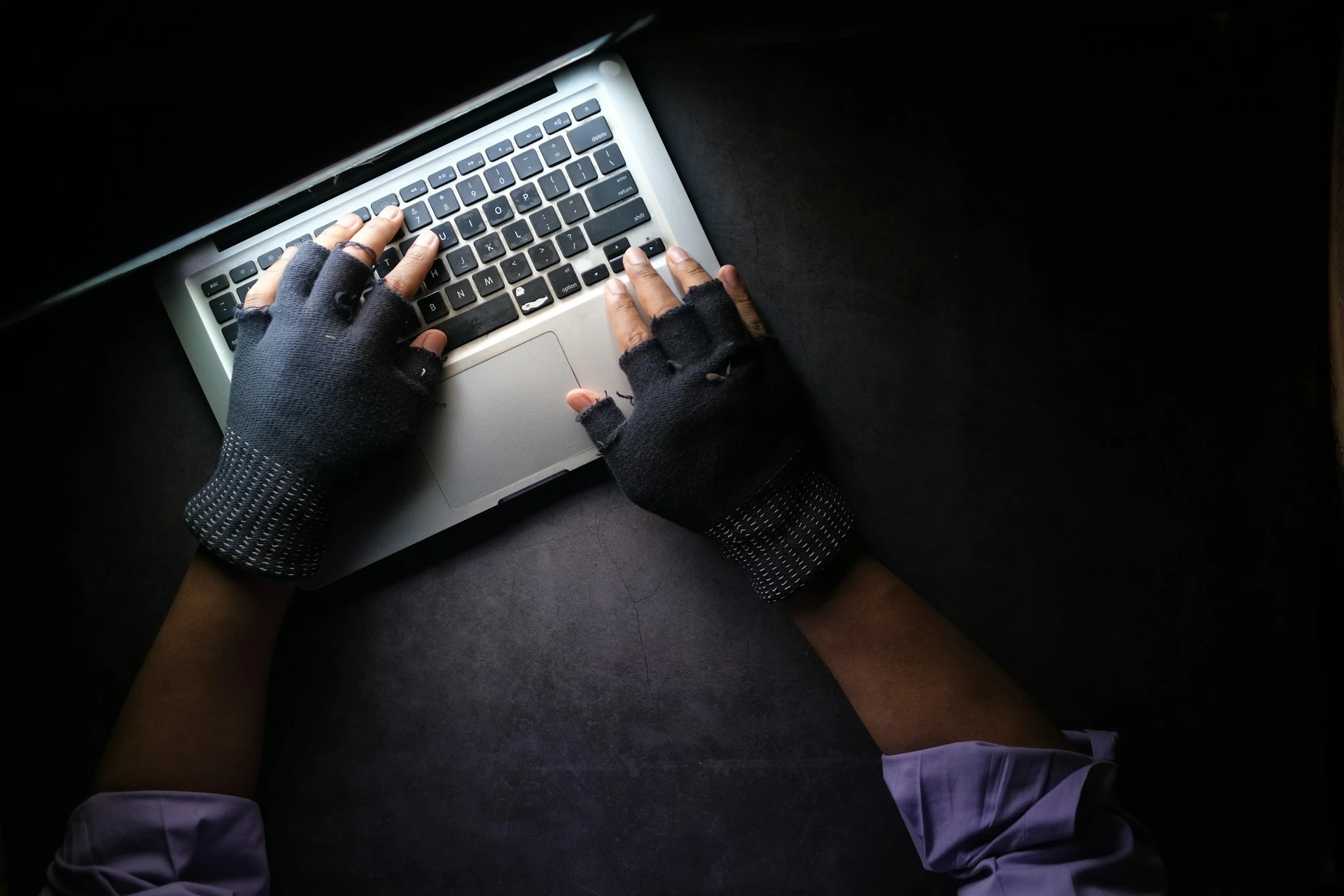
Photo by Towfiqu barbhuiya on Unsplash
Trump Campaign Reports Hack of Internal Communications
- Written by Andrea Miliani Former Tech News Expert
- Fact-Checked by Justyn Newman Former Lead Cybersecurity Editor
Donald Trump’s campaign shared a statement this weekend announcing that their internal communications have been hacked and suggested a malicious attack from Iran.
According to Forbes , the news website Politico reported that it had been receiving emails with documents including a 271-page research Trump campaign had done on Senator JD Vance. The emails with the internal communications began in July, signed by “Robert”, with an anonymous AOL email account.
The user Robert claimed to have more documents including Trump’s legal court documents and other sensitive information. Politico said they have reached out to people familiar with the case and have confirmed the authenticity of the information shared.
Steven Cheung, Trump’s campaign communications director, declared that the information had been obtained illegally.
A spokesman told the BBC that the attack came from “foreign sources hostile to the United States,” while Iranian officials have said publicly that they are not related to the hack.
However, Cheung also mentioned a report shared by Microsoft’s Threat Analysis Center (MTAC) on August 9 mentioning that Iranian hackers have targeted the U.S. campaign through a phishing email. In the report, it is mentioned that the Islamic group Mint Sandstorm “sent a spear-phishing email to a high-ranking official of a presidential campaign from a compromised email account of a former senior advisor.”
Microsoft has not confirmed if the attack was addressed to Trump’s campaign, but the document acknowledges that Iranian threats have been targeting U.S. campaigns for the past three election cycles in the United States.
Cheung has also mentioned that the hacking had the clear intention to “interfere with the 2024 election and sow chaos throughout our Democratic process.”
During the current presidential campaigns, there are multiple cybersecurity concerns. Google recently announced a new disclosure tag required for political ads that used AI to avoid misinformation, just weeks after deepfake robocalls had been reported and used during the primaries to discourage people from voting.
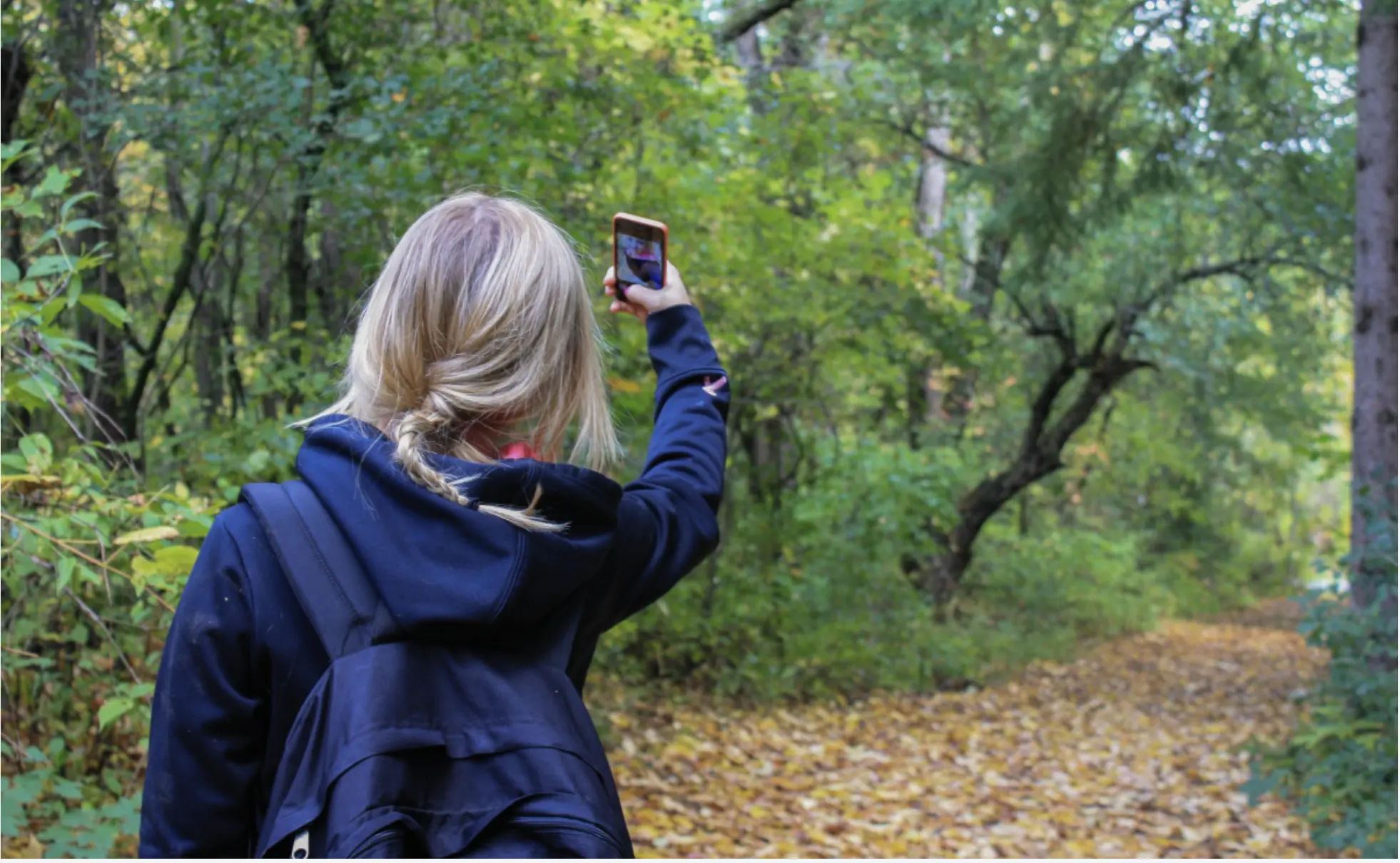
Image from Pxhere
Study Finds Social Media’s Rise In Nature Photography Harms Wildlife And Habitats
- Written by Kiara Fabbri Former Tech News Writer
- Fact-Checked by Justyn Newman Former Lead Cybersecurity Editor
In a news post published yesterday by Edith Cowan University, researchers outlined their study on how the rise of social media has transformed nature tourism and photography. However, they also highlighted that this trend is causing significant harm to wildlife and natural habitats. As users share their outdoor adventures online, they inadvertently contribute to both direct and indirect disturbances that threaten biodiversity.
The researchers argue that the rise of nature photography on social media has led to increased activities that directly harm wildlife. These activities include using methods such as call playback, drones, and baiting in order to capture perfect images. According to the researchers, these practices disrupt animal breeding and feeding behaviors.
Additionally, the physical act of capturing and handling animals for photographs, along with damage to plants, exacerbates these disturbances. The researchers also argue that social media indirectly fosters the spread of diseases and encourages poaching. The visibility of rare species and sensitive environments can attract illegal activities.
Recent research highlights these issues, pointing out that while social media has been a powerful tool for conservation by increasing awareness and engagement, it has also led to unintentional negative consequences.
The rapid dissemination of information about the locations of rare species can result in overcrowding and trampling. Additionally, the pursuit of unique images can promote unethical practices and overexploitation of vulnerable species.
Dr. Rob Davis, a Senior Lecturer in Vertebrate Biology at ECU, explained on the news post, “Social media groups have made it easy for people to identify the location of endangered plant species or the breeding grounds of bird or wildlife species, with the information being disseminated quickly and causing a major influx of people into an area that would otherwise have remained untouched […] As a result, animal breeding and feeding patterns are disturbed, and there is an increased risk for predation. Furthermore, the use of call playback, or drones, or the handling of wild animals for photographs leaves a lasting impact.”
While social media poses challenges, it also has potential benefits. Dr. Davis notes that photography can be a powerful tool for conservation, helping to foster environmental activism and education. Social media’s broad reach allows scientists and land managers to harness user-generated content for conservation purposes. Additionally, he points out that new plant species have been identified through social media activity.
However, researchers advocate for stricter codes of ethics and better management to mitigate the negative impacts. Dr. Davis suggests a framework to protect vulnerable species and promote responsible behavior, emphasizing the need for education and stakeholder involvement to balance social media use with conservation efforts.
Dr. Davis proposes, “Many nature groups and societies already have well-established codes of ethics for responsible conduct including for activities such as birdwatching, bird photography and orchid photography. Such codes of conduct are an excellent starting point but are non-binding and rely on individuals doing the right thing and/or peer pressure to speak up about inappropriate behavior.”
He adds, “However, this may remain the most realistic basis for reducing impacts on biodiversity and questions could be asked of any groups that do not have or adhere to such codes of conduct.”
In summary, while social media has democratized access to nature photography and boosted conservation efforts, it also poses significant risks to biodiversity. Balancing these benefits and harms will require concerted efforts from all involved in nature tourism and social media to develop and adhere to ethical guidelines that protect our natural world.
