
TikTok’s New Creator Program to Focus on Search-Friendly Content
- Written by Shipra Sanganeria Cybersecurity & Tech Writer
- Fact-Checked by
TikTok officially launched its new monetization program, Creator Rewards , last week. The program is based on four evaluation metrics, including “search value”, which rewards creators who produce over 60 seconds long, high-quality, search-optimized videos.
By “search value,” the social media platform means publishing content that aligns with popular search terms. To help with this, TikTok launched the Creator Search Insights tool , which helps influencers research high-trending topics.
“With these insights, creators can source inspiration for their content, tailor their creative strategies to meet audience interests, and create content that people want to see more of,” the company’s blog post states.
It will also reward creators for their accounts’ ad value, i.e., ad revenue based on their community’s ad watchtime for the first time.
However, to qualify for the Creator Rewards program, a creator must be 18 years or above, have a minimum of 10K followers, and have generated at least 100K views in the past 30 days. The user account must be in good standing and located in a region where TikTok is available.
Along with these announcements, TikTok also upgraded the earlier Creator Portal to the new Creator Academy, currently available in seven different languages.
The comprehensive education portal offers courses, articles, and other resources for monetizing TikTok videos, and publishers on TikTok can use the Creator Rewards Program dashboard to directly access the Academy and various resources available therein.
With this revamped program, the platform intends to leverage its untapped potential as a search engine tool and further drive user engagement.
The US Government Sues Apple For Illegal Monopoly Over Smartphones
- Written by Deep Shikha Content Writer
- Fact-Checked by
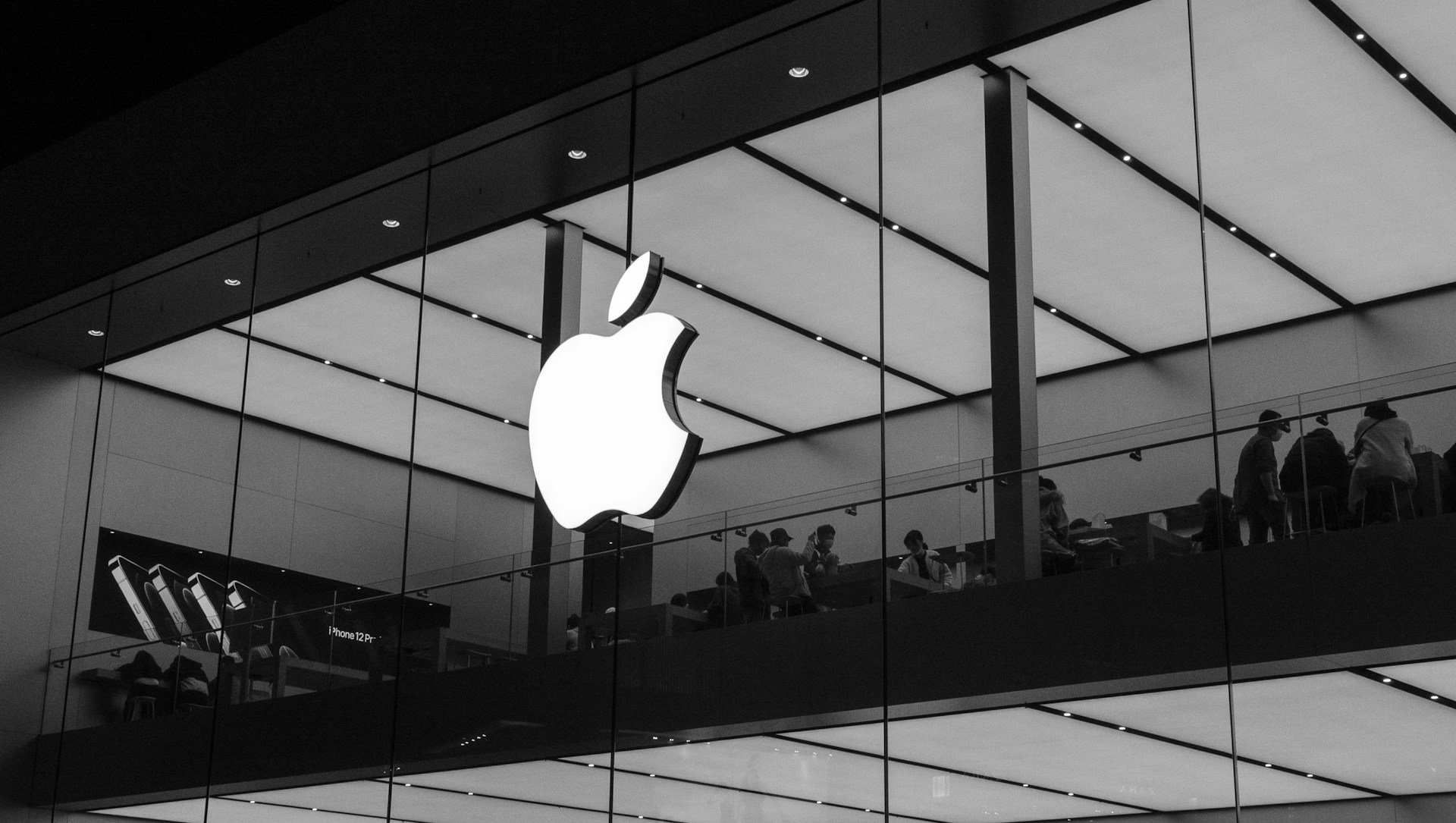
On March 21, the US Department of Justice (DOJ) filed an 88-page antitrust lawsuit against Apple, with the accusations of illegally fortifying its smartphone monopoly. The DOJ and 16 state and district attorneys general alleged that the company forcibly keeps users locked into its profitable iPhone ecosystem.
The justice department raised concerns that Apple has gone too far in locking down smart watches, messaging, and digital wallets to keep the competitors out of the picture. According to the suit, Apple has repeatedly made calculated moves to diminish the competition.
The department also accused Apple of denying competing apps and services of access to key iPhone features, making it tougher for customers to shift to non-Apple products.
“Apple exercises its monopoly power to extract more money from consumers, developers, content creators, artists, publishers, small businesses, and merchants, among others,” the DOJ shared in a press release .
Furthermore, the parties shared a list of practices that help Apple allegedly maintain a monopoly in the smartphone section:
- Reducing the messaging quality between iPhones and other platforms, such as Android.
- Blocking “super apps” that make users less dependent on Apple’s ecosystem. For. e.g., one-stop shops for services like shopping, food delivery, and finance.
- Restricting access to cloud-streaming applications for activities such as video gaming, reducing the necessity for high-cost hardware.
- Limiting the compatibility of third-party smartwatches with iPhones and doing the same for Apple watch users by allowing limiting functionality with other smartphones
- Not allowing third-party developers to create competing digital wallets for the iPhone with tap-to-pay functionality
“For years, Apple responded to competitive threats by imposing a series of “Whac-A-Mole” contractual rules and restrictions that have allowed Apple to extract higher prices from consumers, impose higher fees on developers and creators, and throttle competitive alternatives from rival technologies,” DOJ Antitrust Division Chief Jonathan Kanter said in a statement .
The complaint also highlights internal emails and meeting records from Apple, revealing that the company’s top executives knew their policies would limit competition.
The lawsuit makes specific requests without outlining plans to alter Apple’s structure. It demands that Apple permit cloud gaming, enable cross-platform messaging, and allow other companies to develop wallet apps with full access to the phone’s hardware.
How Did Apple Respond?
Apple has so far defended its methods and warned that the government’s legal action could establish a “dangerous precedent.”
“At Apple, we innovate every day to make technology people love—designing products that work seamlessly together, protect people’s privacy and security, and create a magical experience for our users. This lawsuit threatens who we are and the principles that set Apple products apart in fiercely competitive markets,” Apple’s spokesperson Fred Sainz said in a statement .
He argued that if the lawsuit succeeds, it could disrupt Apple’s ability to develop integrated technology and set a concerning precedent for government involvement in tech design. He emphasized Apple’s intention to strongly defend against the lawsuit, believing it to be flawed both factually and legally.
Apple is ready to fight back and plans to file a dismissal motion in 60 days. The company will strongly argue in favor of its policies.
The lawsuit against Apple might drag on for years, potentially slowing down its growth. Even though Apple’s stock has dropped 7% this year , the company still ranks as the second-largest in the world by market value.
