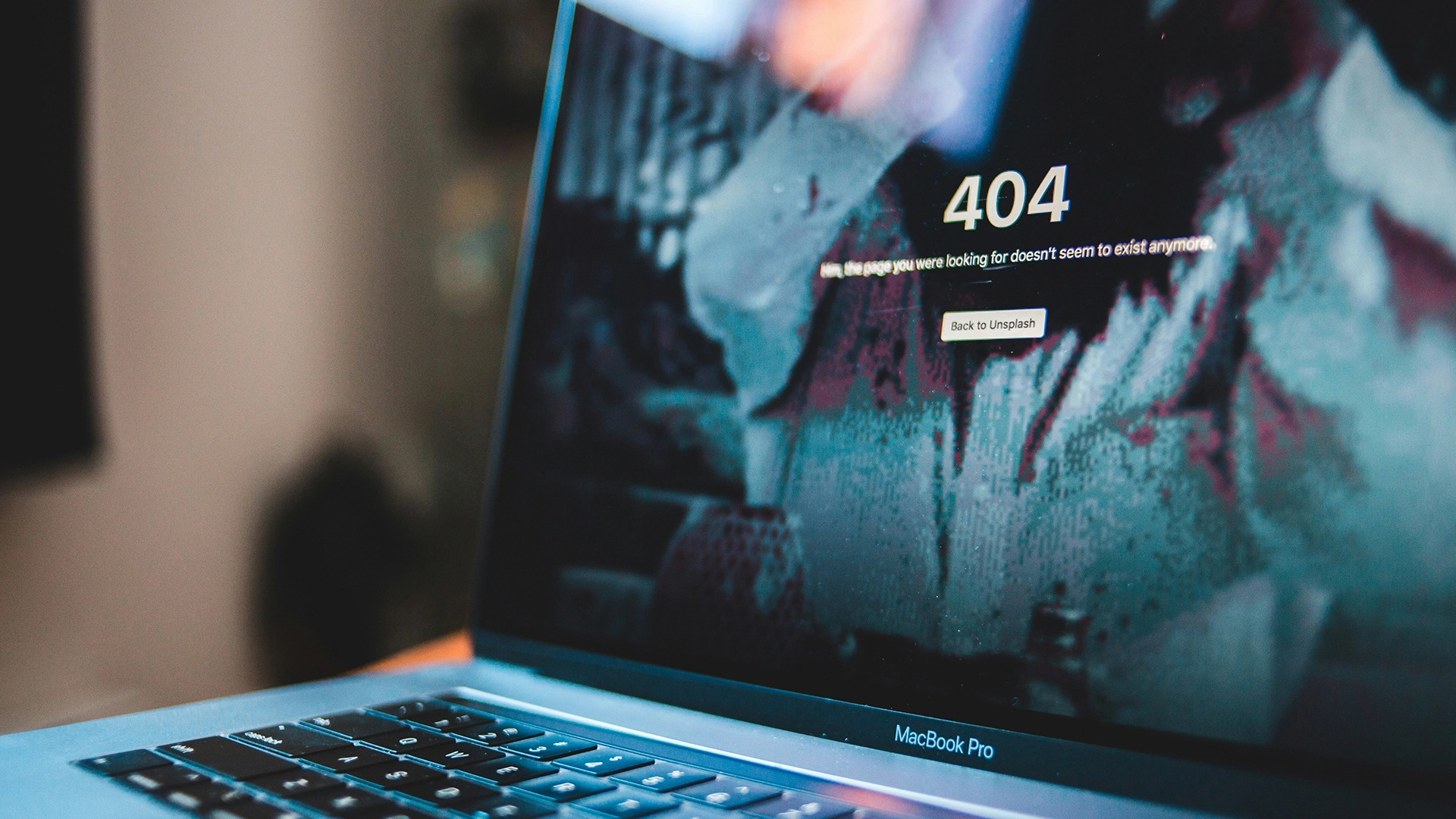
Image by Erik Mclean, from Unsplash
TikTok Chromebook Challenge Sparks Fires In Schools
- Written by Kiara Fabbri Former Tech News Writer
- Fact-Checked by Sarah Frazier Former Content Manager
A risky TikTok trend called the “Chromebook Challenge” is spreading across schools in the U.S., with students deliberately trying to set their school-issued laptops.
In a rush? Here are the quick facts:
- Students are setting Chromebooks on fire for a viral TikTok challenge.
- Items like paper clips and pencils are used to short-circuit laptops.
- One student was hospitalized.
The challenge involves kids jamming everyday items—like pencils, paper clips, or gum wrappers—into Chromebook USB or charging ports to short-circuit the device. The result? Smoking laptops and school evacuations.
NBC reports that fire officials say the short circuits can cause toxic smoke or fires, and lithium batteries inside the laptops could explode. In some areas, students have been hospitalized, as reported by Ars Technica .
In Plainville, Connecticut, one middle school student was hospitalized for smoke inhalation after a classmate “intentionally stuck scissors into a laptop,” said Superintendent Brian Reas, as reported by Ars Technica.
“Although the investigation is ongoing, the student involved will be referred to juvenile court to face criminal charges,” Reas added.
Axios reports that at least 30 such incidents have been reported in Denver Public Schools, according to spokesperson Scott Pribble. Reports “range from unsuccessful attempts to events which resulted in smoke, sparks or fire,” he said, as reported by Axios.
Nearby, Boulder Valley School District linked six fires to the trend, and the Colorado Springs Fire Department has responded to at least 16 incidents, as reported by Axios.
The problem isn’t limited to Colorado. Prince George’s County Public Schools in Maryland said it has had up to 10 reported cases. “In addition to posing serious safety hazards, these actions can lead to costly repairs and disciplinary consequences,” the district said, as reported by NBC.
Ars Technica reports that TikTok has now blocked searches for the term “Chromebook Challenge.” Users instead see a warning:
“Your safety matters Some online challenges can be dangerous, disturbing, or even fabricated.”
Despite TikTok’s action, officials warn the challenge continues to circulate on other platforms. Google, the maker of Chromebooks, has not commented publicly.
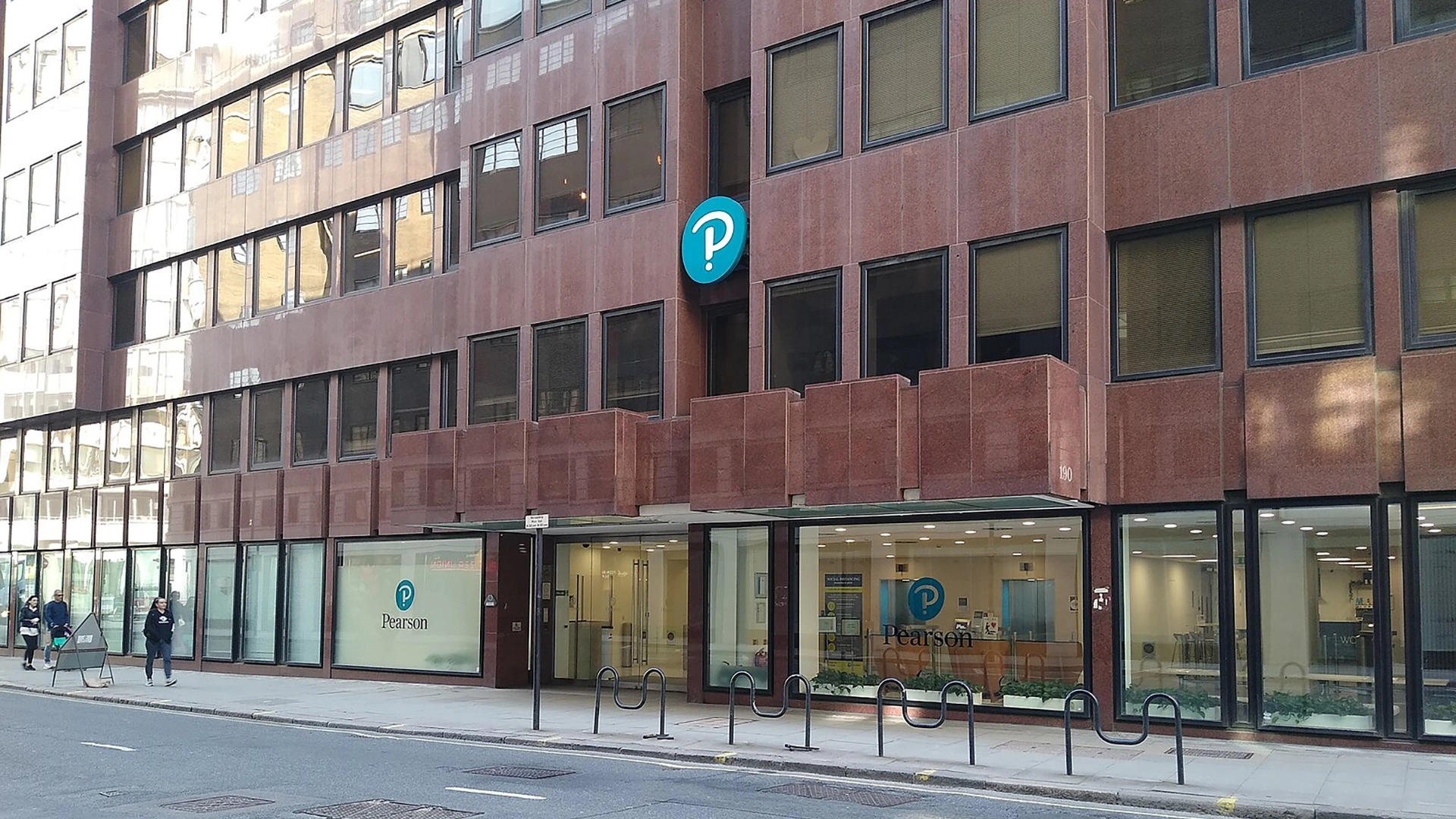
Image by Mx. Granger, from Wikimedia Commons
Education Giant Pearson Hacked, Exposing Customer Data
- Written by Kiara Fabbri Former Tech News Writer
- Fact-Checked by Sarah Frazier Former Content Manager
Pearson confirmed a cyberattack that exposed customer information and internal data, after attackers accessed its systems through an exposed developer token.
In a rush? Here are the quick facts:
- Pearson confirmed a cyberattack exposed customer data and internal systems.
- Hackers exploited a GitLab token found in a public config file.
- Stolen data includes customer details, financials, and internal source code.
Pearson, one of the world’s largest education companies, confirmed it was hit by a cyberattack that exposed customer information and internal data, as first reported by BleepingComputer.
The UK-based giant, known for textbooks, digital tools, and exams in over 70 countries, admitted the breach to Bleeping Computer .
“We recently discovered that an unauthorized actor gained access to a portion of our systems,” a Pearson spokesperson said to Bleeping Computer. “Once we identified the activity, we took steps to stop it and investigate what happened and what data was affected with forensics experts.”
The company said the stolen information was mostly “legacy data” and did not include employee records. Pearson added, “We also supported law enforcement’s investigation” and have since strengthened their system security and monitoring tools, as reported by Bleeping Computer.
The breach reportedly started in January 2025 after hackers found a GitLab Personal Access Token (PAT) in a public file. This token, used by Pearson developers, gave attackers access to the company’s internal source code. That code included more passwords and tokens for cloud services.
Using these, the hackers reportedly stole terabytes of data from Pearson’s systems and cloud providers such as AWS, Google Cloud, Snowflake, and Salesforce. The stolen information allegedly includes customer details, financial data, help desk tickets, and more.
Bleeping Computer reports that Pearson declined to answer questions about whether they paid a ransom, the exact meaning of “legacy data,” how many people were affected, or if they planned to notify customers.
While Pearson has not confirmed how many users were impacted, the breach comes at a critical moment for education systems worldwide. Countries like the UAE, China , and the U.S. are rapidly integrating AI into school curriculums. The UAE, for example, plans to teach AI in all public schools starting in 2025 .
This global shift raises the stakes for cybersecurity. AI systems used in education often handle vast amounts of personal and behavioral data.
If breached, these systems could expose not just student information but also the algorithms guiding how students learn, how teachers assess, and how decisions are made about academic performance.
