
image by mob mob, from Flickr
The Washington Post Debuts ‘Ask The Post AI’ For Fact-Based Answers
- Written by Kiara Fabbri Former Tech News Writer
- Fact-Checked by Sarah Frazier Former Content Manager
In a Rush? Here are the Quick Facts!
- Tool draws from articles published since 2016 for factual accuracy.
- Minimum relevancy threshold ensures only pertinent answers are provided.
- Future updates will include video, audio, and opinion content.
The Washington Post has announced “ Ask The Post AI ,” an experimental generative AI tool designed to provide users with concise, factual answers sourced directly from the publication’s journalism.
To keep the answers accurate, the Post states that the tool only responds if it finds a directly relevant article. If it doesn’t, it won’t provide an answer, avoiding the risk of misinformation.
According to Chief Technology Officer Vineet Khosla, the AI tool is part of the publication’s effort to keep up with how people are changing the way they read news.
Currently, “Ask The Post AI” only uses text articles, but future updates may include video, audio, and opinion pieces for a broader range of responses. To reduce errors — known in AI terms as “hallucinations,” when an AI misinterprets information — the tool relies exclusively on the publication’s own work.
The Post claims that it has designed the tool to work with different AI systems to reduce its environmental impact, aiming for energy efficiency. As the tool is rolled out, readers are encouraged to share feedback to help The Post improve future versions.
This move aligns with broader shifts in the media landscape, as companies like Meta and OpenAI have also begun integrating AI with news content.
However, the growing reliance on AI to generate summaries and insights from news articles has raised concerns. Publishers fear that AI models could undermine their revenue by providing summaries without driving traffic to the original sources.
As AI tools become better at summarizing content, users may opt to rely on these summaries rather than visiting news websites, potentially decreasing both visibility and ad revenue for publishers.
In parallel, recent disputes, such as The New York Times’ demand that Perplexity stop using its content , underscore the complexities of AI’s role in journalism.
As AI models become more prevalent, publishers are increasingly worried about unauthorized use of their work, especially as the technology becomes better at delivering news without linking back to the original articles.
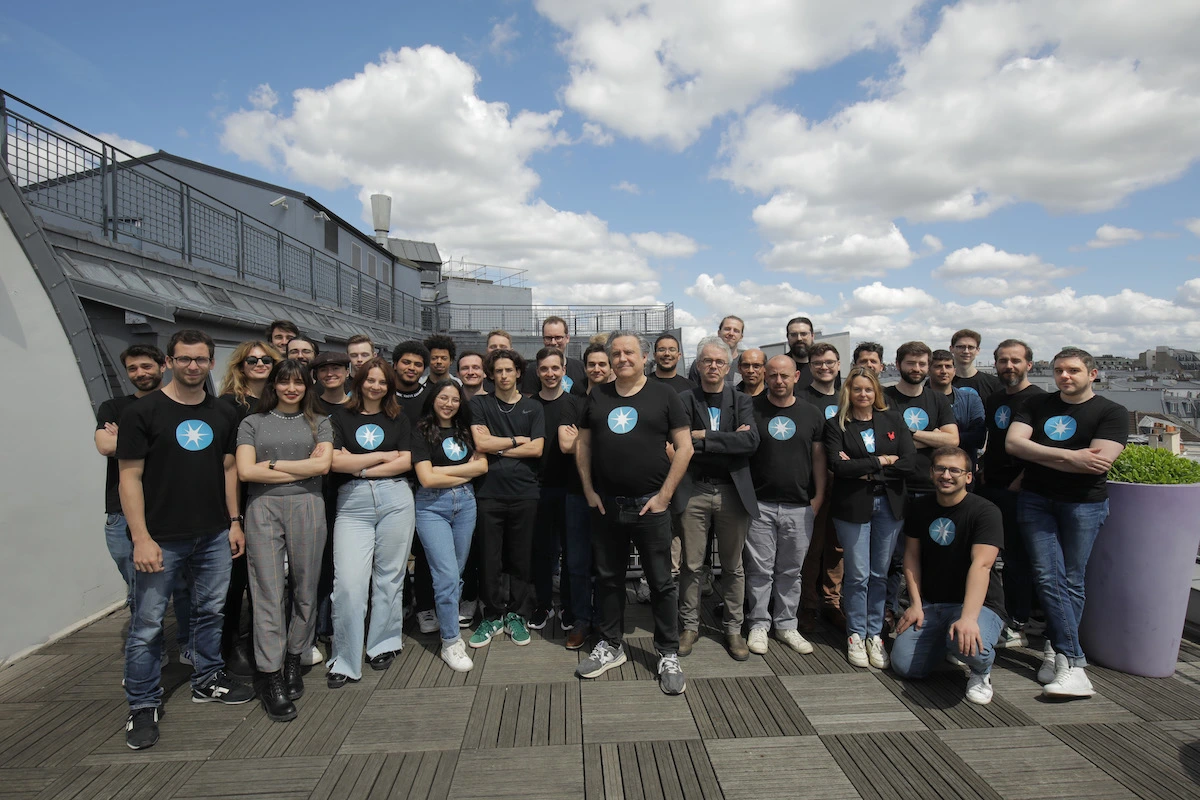
Photo courtesy of LightOn
French Startup LightOn To Become First GenAI Company Listed In Europe
- Written by Andrea Miliani Former Tech News Expert
- Fact-Checked by Sarah Frazier Former Content Manager
In a Rush? Here are the Quick Facts!
- LightOn will become the first generative AI company to be listed in the European market
- The shares are offered at a subscription price of 10.35 euros each
- After the IPO period, the French startup expects to reach a 50 million euros valuation
The French generative AI startup LightOn launched today its initial public offering (IPO) in Paris on the Euronext Growth market.
According to Reuters, the listing is expected by the end of November, and the company would become the first one in Europe to make it into the stock exchange market.
LightOn—founded in 2016—offers a Large Language Model (LLM) software service to the French government and other businesses.
“We are pioneers in Generative AI, building secure and customizable solutions for enterprises to improve productivity and competitiveness,” states the Startup’s website .
LightOn offers its clients an AI assistant called Alfred, a platform called Paradigm, and other generative AI solutions.
With the new shares in the market, the company expects to expand and increase revenues. “This planned IPO offers investors a unique opportunity to participate directly in the growth of a French technology champion that is already successfully deploying its AI solutions with major groups in France and abroad,” said Igor Carron and Laurent Daudet, LightOn co-CEOs, in a statement.
The shares are offered at a subscription price of 10.35 euros each, the period for sales begins today and ends on November 20th. The settlement is expected for the 25th and the first day of trading the following day.
LightOn expects to reach a 50 million euro valuation and aimes for revenue of 40 million euros by 2027.
Other competitors, like Germany’s DeepL and France’s Mistral, have preferred to remain private and raise funds.
Other French startups have been using AI to expand services and offer new products in the market. Alan, the company specializing in health insurance, recently launched a new health assistant for its 680,000 customers.
