
Photo by Matthew Manuel on Unsplash
The U.S., Microsoft, and OpenAI Investigate DeepSeek for Restricted Chip Use and Potential Data Misappropriation
- Written by Andrea Miliani Former Tech News Expert
- Fact-Checked by Justyn Newman Former Lead Cybersecurity Editor
The United States of America, Microsoft, and OpenAI are currently investigating the Chinese startup DeepSeek for potential restricted use of advanced AI chips and unauthorized data acquisition.
In a Rush? Here are the Quick Facts!
- Microsoft and OpenAI are investigating if DeepSeek gathered unauthorized data through OpenAI’s API.
- Anonymous sources said Microsoft’s security team noticed unusual activity during the fall and reported it to OpenAI.
- The U.S. Commerce Department is reportedly investigating whether DeepSeek unlawfully obtained advanced AI chips to develop its AI technology.
Earlier this week, Bloomberg published an exclusive report revealing that Microsoft and OpenAI are working together on a new investigation as both companies suspect DeepSeek has been obtaining sensitive data through OpenAI’s API.
Yesterday, Reuters revealed that the U.S. Commerce Department is investigating whether DeepSeek used advanced AI chips that are not available for export—as the U.S. increased its restrictions on chip sales and investments in China —to develop its powerful flagship AI model.
An anonymous source told Reuters that AI chips have been smuggled to China through organized networks from countries like Malaysia, the United Arab Emirates, and Singapore. A spokesperson from Nvidia said they have clients with entities in Singapore, but they insist on complying with the laws.
DeepSeek claimed they’ve been using Nvidia’s less advanced chips, such as the H800 and H20s, which could have been obtained lawfully.
These investigations follow the massive success of DeepSeek’s new AI model in the United States, where it reached the top spot on Apple’s App Store , raising concerns among Silicon Valley giants and causing Nvidia’s stock to drop significantly on Monday.
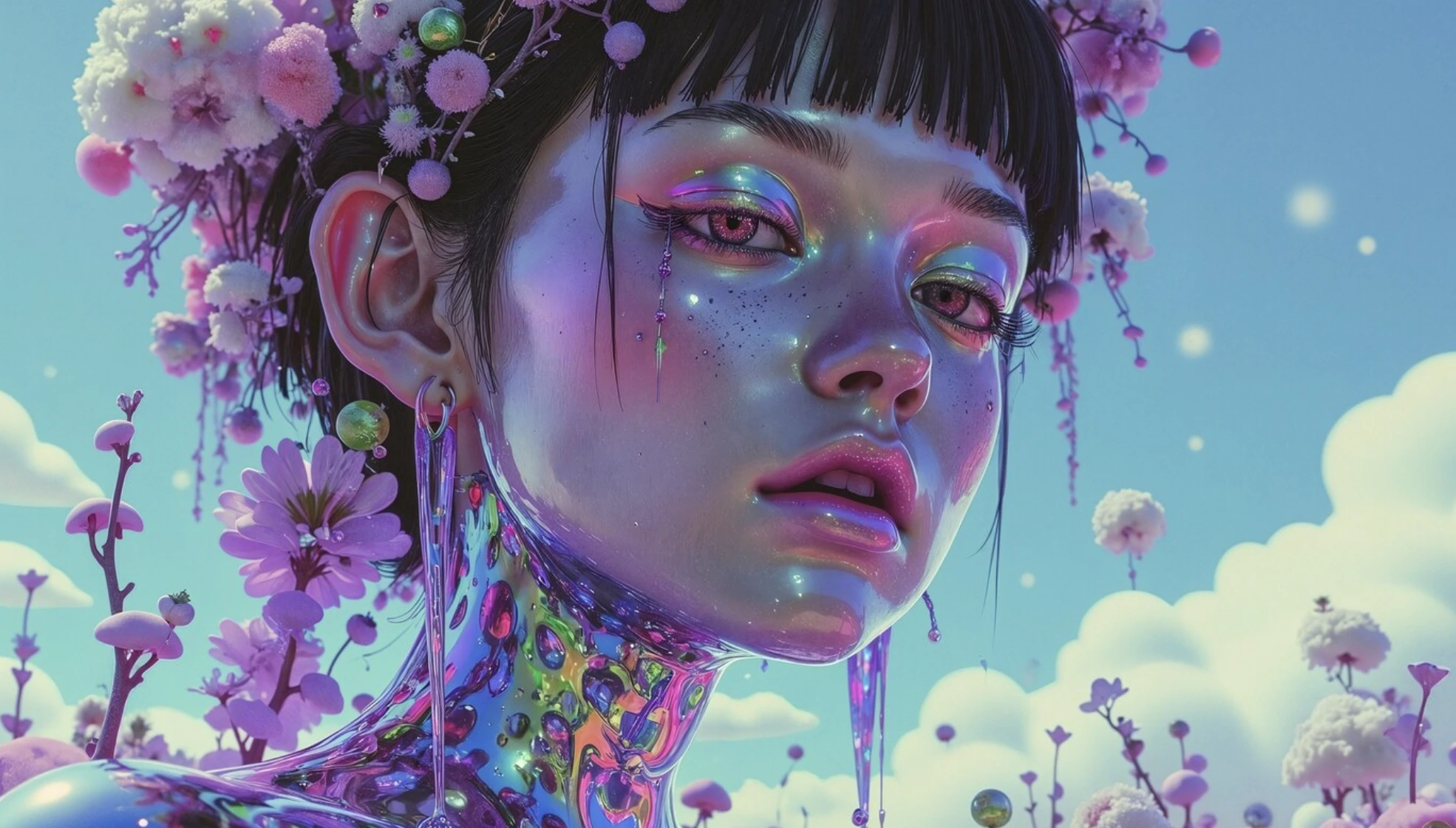
Image by Freepik
AI-Created Works Get Copyright Green Light, Says The U.S. Copyright Office
- Written by Kiara Fabbri Former Tech News Writer
- Fact-Checked by Justyn Newman Former Lead Cybersecurity Editor
The U.S. Copyright Office has clarified that artists can copyright works created with the assistance of artificial intelligence, as long as human creativity is evident in the final product.
In a Rush? Here are the Quick Facts!
- Human creativity must be evident for AI-assisted works to qualify for copyright protection.
- Fully machine-generated works are not eligible for copyright protection.
- The Copyright Office plans a separate report on AI training, licensing, and liability.
This decision, outlined in a report released Wednesday, could influence how AI-generated content is treated in industries such as music, film, and publishing.
The office, which operates under the Library of Congress, processes around 500,000 copyright applications annually, increasingly including AI-generated works. While each case is assessed individually, the report affirms that copyright protection hinges on human authorship.
Shira Perlmutter, Register of Copyrights, emphasized that human creativity remains central to copyright eligibility. “Where that creativity is expressed through the use of AI systems, it continues to enjoy protection,” she stated, as reported by the AP .
The report explains that AI-assisted works may qualify for copyright if an artist’s contribution—such as modifying or arranging AI-generated content—demonstrates originality.
However, fully machine-generated works remain ineligible. Simply prompting an AI system to generate content does not grant copyright ownership. The report argues that extending protections to works where the expressive elements are determined by a machine would undermine copyright’s purpose, as reported by the AP.
The report follows a review launched in 2023, which gathered feedback from AI developers, artists, and other stakeholders. It does not address the ongoing controversy over AI companies using copyrighted material without permission to train their models, notes the AP.
Numerous lawsuits from artists , authors, and news organizations accuse AI firms of copyright infringement, a legal battle that remains unresolved.
While the Copyright Office does not rule on these disputes, it is preparing a separate report to examine issues related to AI training on copyrighted works, potential licensing frameworks, and liability concerns.
