Image by Freepik
The Rise of VR Raves and Digital Drug Culture
- Written by Kiara Fabbri Former Tech News Writer
- Fact-Checked by Sarah Frazier Former Content Manager
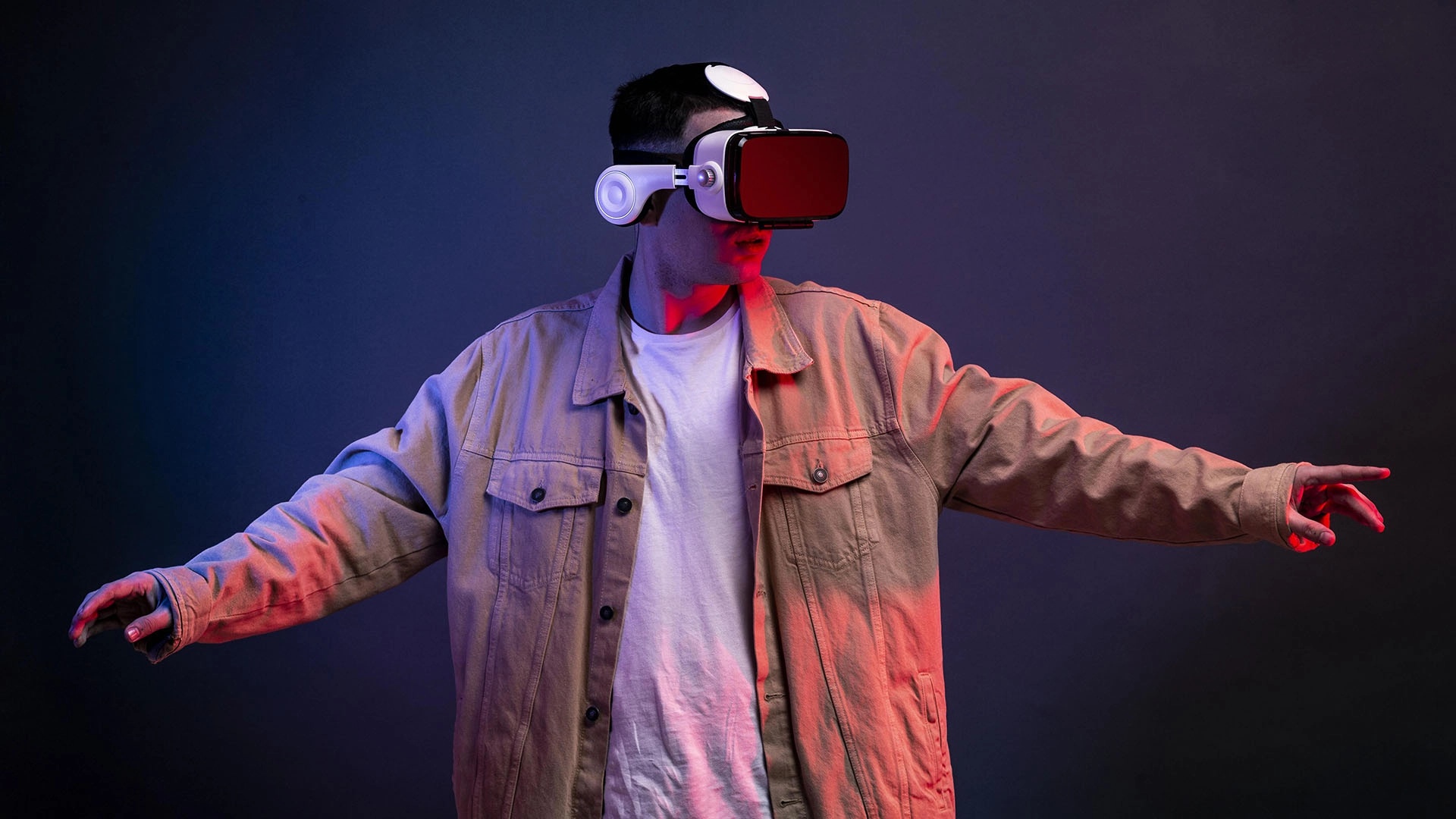
According to a report by WIRED a man in Dublin spent 60 consecutive hours wearing a VR headset, and dancing in the virtual environment after consuming ketamine, cocaine, cannabis, and alcohol. WIRED reports that he never leaves his apartment.
In a rush? Here are the quick facts:
- VR clubs mimic real nightlife without physical costs or consequences.
- A 2023 study links VRChat to reduced loneliness and mental health benefits.
- Experts warn drug-fueled VR trips may worsen disorientation and post-trip anxiety.
“If you’re not able to self-moderate, it’s endless,” O’Rourke, a 38-year-old IT worker from Dublin, told WIRED. “You’re not going to win; you’re not going to see the end of the party,” he added.
Since the COVID-19 lockdowns, VR raving has taken off. Platforms like VRChat now host thousands of partygoers each weekend, as noted in a Reddit post .
WIRED reports that VR raving has exploded in popularity since the COVID-19 lockdowns. Each Weekend, thousands of partygoers attend virtual events on VRChat. Virtual clubs on these platforms replicate real-world nightclubs, minus the costs, rules, and risks of physical nightlife. But with freedom comes excess.
“There’s a lot of weird [stuff] going on, and it can be hard to adjust, but if you do, it’s magical,” O’Rourke says to WIRED. He’s logged almost 1,800 hours in VR and runs a virtual party called Euro-Corp.
But he admits going too far. “I accidentally did a heroic dose (of mushrooms) […] I haven’t taken shrooms since.” He now prefers ketamine, which he says enhances the virtual experience.
The technology allows users to become anyone or anything. Ru, a trans DJ in Ohio, finds safety and self-expression in the scene. “I get sexually assaulted far less often,” she says to WIRED. “Go listen to your local people, and then come to any random club in VR; you’re going to be shocked that your local DJs suck ass.”
Luna, 21, from the Netherlands, found community in VR when she was depressed and isolated. WIRED reported that after months of virtual partying, she even met her boyfriend through a rave organized by a VR club.
A 2023 study, titled “Social Virtual Reality as a Mental Health Tool” , explored how people consciously use VRChat to support their well-being. In interviews and surveys, participants said VRChat helped them reduce loneliness, improve confidence, and even cope with anxiety. The researchers found that VRChat served, for some, as an informal therapeutic environment, boosting social skills, easing depressive thoughts, and offering a safe space for social experimentation.
The study highlights the potential of VR as a digital mental health tool, particularly for men who often struggle to seek help offline. Still, researchers caution against overreliance. VR can foster connection, but escaping into digital worlds shouldn’t replace real-world relationships.
Experts warn of further risks when it comes to VR raves. Maria Balaet, a researcher at Imperial College London, says drug use in VR may intensify bad trips and cause disorientation. “Having a bad trip in VR is probably worse than a bad trip outside of VR,” she says to WIRED. “Once one comes out of the VR environment their body and mind need to readjust to the world too, and that is taxing in addition to the bad trip itself,” she added.
While some see a utopia, others see a trap. As Balaet puts it, “I’m not sure how long one can stay in this state without feeling disconnected,” as reported by WIRED.
Photo by Sasun Bughdaryan on Unsplash
Meta Wins Lawsuit Over Pegasus Spyware Attack
- Written by Andrea Miliani Former Tech News Expert
- Fact-Checked by Sarah Frazier Former Content Manager
Meta has won a lawsuit against the Israeli surveillance firm NSO Group over a spyware attack on approximately 1,400 WhatsApp users. The case, originally filed in 2019, concluded this Tuesday when a federal jury in California found NSO Group liable and ordered it to pay $167.25 million in damages to Meta.
In a rush? Here are the quick facts:
- NSO Group must pay Meta $167.25 million over spyware attack.
- The case was filed in 2019 after Meta detected the threat affecting around 1,400 WhatsApp users, including journalists, diplomats, and civil rights activists.
- During the trial, it was revealed that Pegasus had been used to target other companies as well.
According to Meta’s announcement , this case’s outcome represents the first large-scale victory against illegal spyware affecting many users, and it benefits companies and citizens worldwide.
“Today’s verdict in WhatsApp’s case is an important step forward for privacy and security as the first victory against the development and use of illegal spyware that threatens the safety and privacy of everyone,” states the document.
“Today, the jury’s decision to force NSO, a notorious foreign spyware merchant, to pay damages is a critical deterrent to this malicious industry against their illegal acts aimed at American companies and the privacy and security of the people we serve.”
Today, our court case has made history as the first victory against illegal spyware that threatens the safety and privacy of everyone. https://t.co/WmTGNCmrhH — Meta Newsroom (@MetaNewsroom) May 6, 2025
Back in 2019, Meta detected the attack in WhatsApp’s calling system and, in partnership with the organization Citizen Lab, stopped NSO Group from using its Pegasus spyware tool to target journalists, diplomats, civil rights activists, and more WhatsApp users.
The tech giant filed the lawsuit after learning about the spyware, and during the trial, it was revealed that NSO Group was using its advanced malicious technologies on other platforms as well. The cyber-intelligence company admitted spending tens of millions of dollars to develop malware installation methods every year.
According to The Verge , the jury also awarded Meta $444,719 for damages. The tech giant will try to get a court order to prevent NSO Group from targeting WhatsApp.
Gil Lainer, a spokesperson from NSO Group, said they “will carefully examine the verdict’s details and pursue appropriate legal remedies, including further proceedings and an appeal.”
Other American companies have filed lawsuits against the cyber-intelligence company. Last year, Apple sued NSO Group for using Pegasus to target Apple users in a “mercenary spyware attack.”
