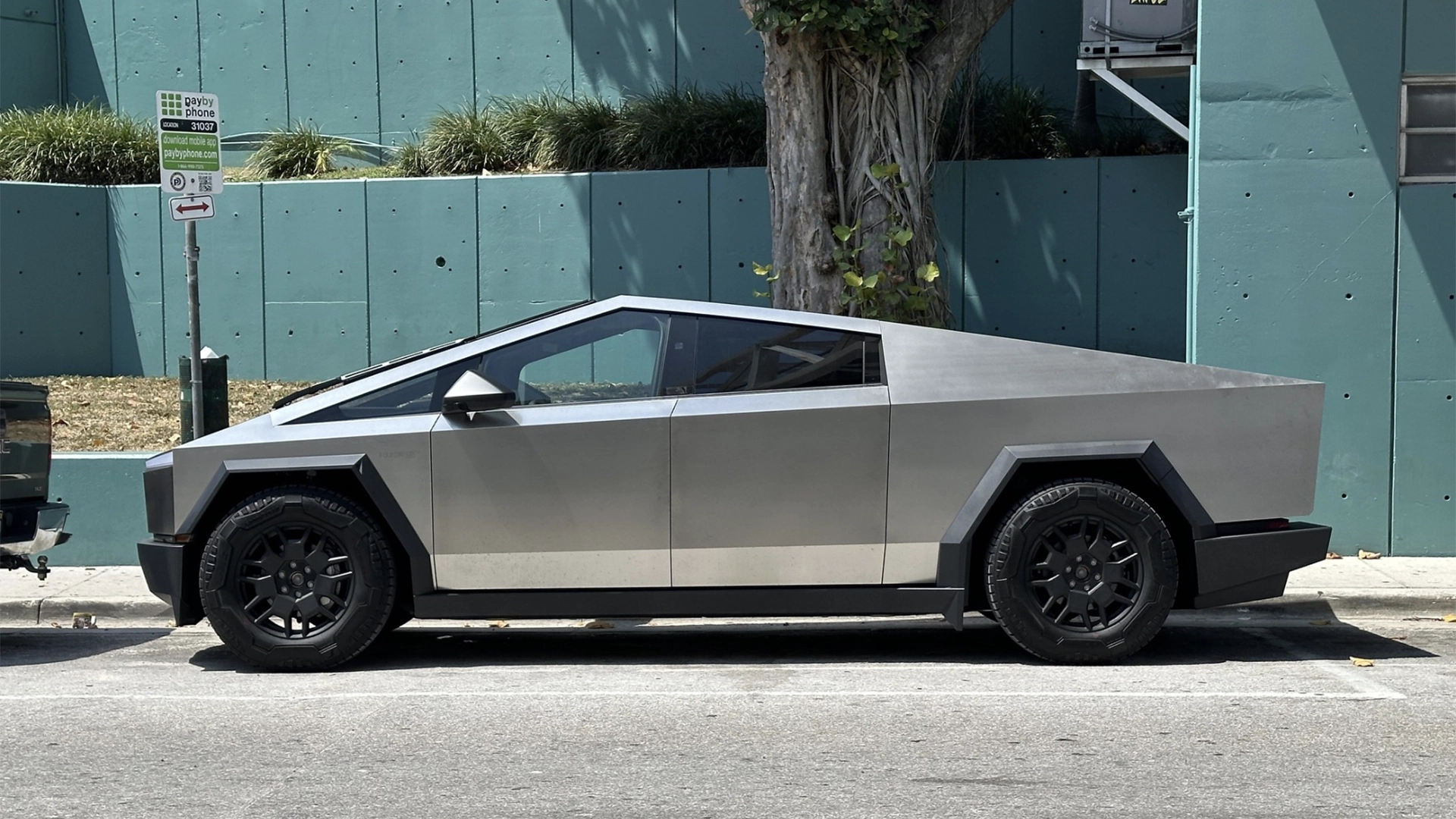
Image by Phillip Pessar, from Flickr
Tesla Owners’ Data Allegedly Exposed As Anti-Tesla Protests Surge
- Written by Kiara Fabbri Former Tech News Writer
- Fact-Checked by Sarah Frazier Former Content Manager
A website called “DOGEQUEST” has sparked outrage by publishing what it claims to be personal information of Tesla owners across the U.S.
In a rush? Here are the quick facts:
- DOGEQUEST allegedly exposes Tesla owners’ personal data, including names and addresses.
- The site encourages anti-Tesla actions, featuring a Molotov cocktail cursor.
- Tesla vandalism is rising, with protests targeting cars, dealerships, and charging stations.
The site features an interactive map that allegedly displays names, addresses, phone numbers, and email addresses of Tesla owners, as reported in a 404 Media investigation . It also includes the locations of Tesla dealerships, superchargers, and employees of the Elon Musk-headed Department of Government Efficiency (DOGE).
The accuracy of the data remains uncertain. Some individuals listed on the site do appear to be Tesla owners, but others may not be, reports 404 Media. Additionally, while the site correctly lists some Tesla dealerships, certain plotted points don’t match real-world locations.
Beyond the privacy concerns, DOGEQUEST has also positioned itself as a platform encouraging anti-Tesla sentiment. Under the heading “Is DOGEQUEST a protest platform?” 404 Media reports that the site states: “If you’re on the hunt for a Tesla to unleash your artistic flair with a spray can, just step outside—no map needed!” Further adding to its controversial nature, the website cursor is a Molotov cocktail.
DOGEQUEST offers to remove individuals’ information if they provide proof that they have sold their Tesla. However, attempts to reach the site’s operators for comment have gone unanswered, and Tesla has not responded to media inquiries, as reported by 404 Media.
This leak comes amid escalating protests against Tesla. Every weekend, demonstrators participate in “Tesla Takedown” protests, targeting Tesla vehicles, dealerships, and charging stations.
Vandalism against Teslas, including spray painting, shattered windows, and arson, has been on the rise. Tesla owners have reported frequent public hostility. The ongoing backlash has contributed to a 44% drop in Tesla’s stock price since President Donald Trump took office, as noted by 404 Meida.
The situation is also impacting Tesla owners financially. Insurance experts warn that vandalism-related claims could drive up premiums for Tesla drivers, even if they haven’t personally experienced damage, as reported by InsideEvs .
Shannon Martin, an analyst at Bankrate, explained that while vandalism claims don’t typically increase rates as much as collision claims, the sheer volume of Tesla-related incidents could make the brand more expensive to insure, reports InsideEvs.
Tesla is already one of the most costly car brands to insure, falling in the same price bracket as Rolls-Royce and Lamborghini.
Meanwhile, Tesla is dealing with a separate crisis regarding its Cybertruck. Recent reports indicate that the truck’s stainless steel exterior panels are falling off, especially in cold weather, as reported by Fortune .
Tesla has now halted deliveries, but many owners have already reported the defect to federal regulators. This issue adds to a growing list of quality concerns, including past recalls for accelerator malfunctions and faulty plastic trim.
As Tesla faces mounting public backlash, increased insurance costs, and product reliability concerns, the company’s reputation continues to take a hit. With DOGEQUEST amplifying anti-Tesla sentiment, the situation for Tesla owners, and the company itself, remains uncertain.
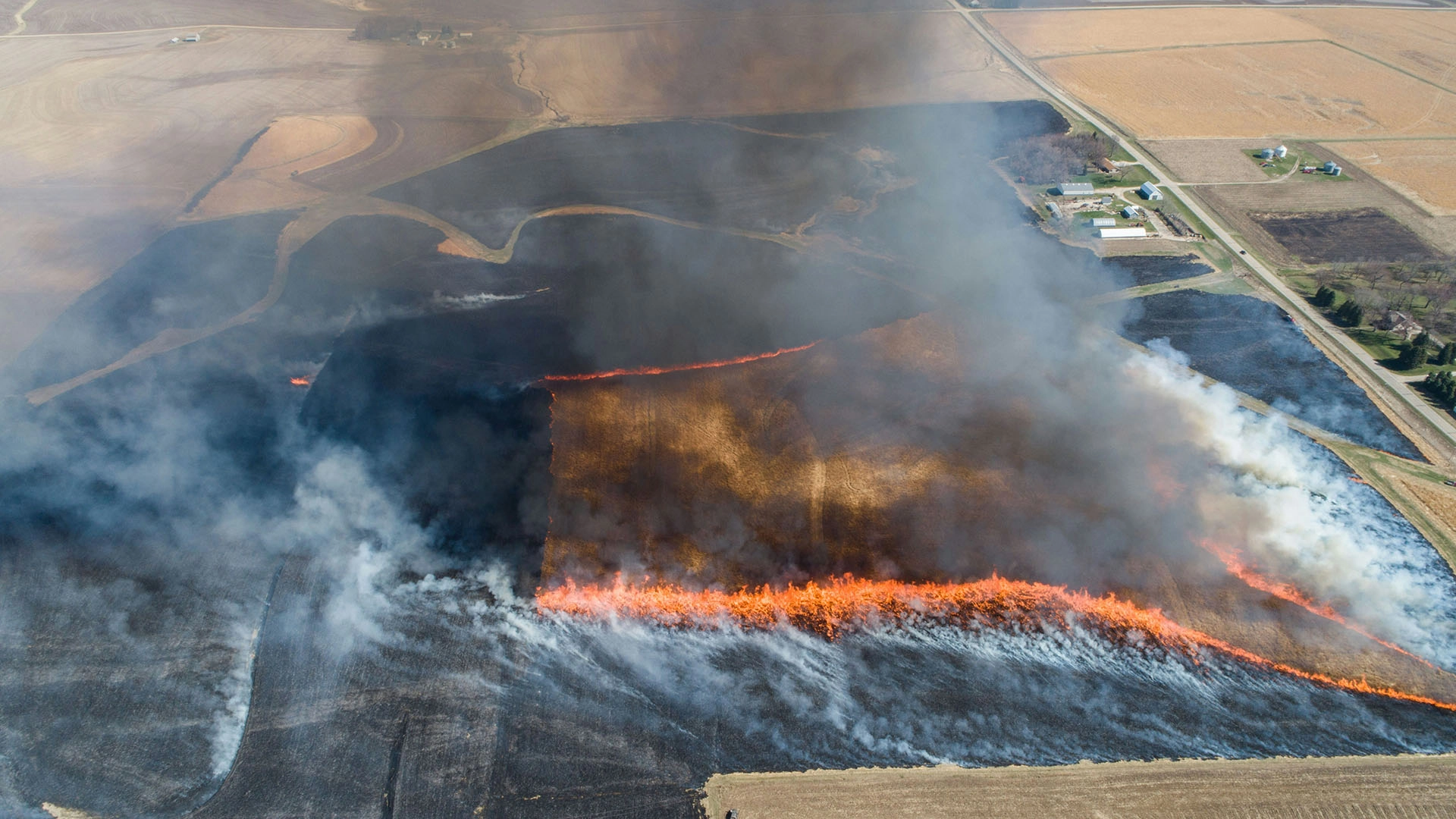
Photo by Josh Berendes on Unsplash
Google-Backed FireSat Launches First Satellite For Early Wildfire Detection
- Written by Andrea Miliani Former Tech News Expert
- Fact-Checked by Sarah Frazier Former Content Manager
Google announced that FireSat launched the first satellite of its over 50 constellation network and made contact with Earth successfully this Monday.
In a rush? Here are the quick facts:
- FireSat’s first satellite was successfully launched to enhance wildfire detection using AI technology.
- The FireSat project, backed by Google Research and wildfire experts, aims to provide real-time satellite monitoring of wildfires with updates every 20 minutes.
- This AI-driven satellite network is set to replace outdated, low-resolution wildfire detection systems.
According to the tech giant’s announcement , the spacecraft has been launched aboard SpaceX’s Transporter-13 mission from the Vandenberg Space Force Base located in California.
FiatSat—a collaborative initiative between the Moore Foundation, Earth Fire Alliance, Muon Space, Google Research, and wildfire authorities—has been designed to monitor and detect wildfires in real-time using advanced AI technology through its satellite-based system.
The tool for wildfire detection was announced in September last year, and, as promised, the first satellite was launched early this year.
The new technology is expected to provide high-quality images—better than the current satellite imagery used by wildfire authorities, which contains low-resolution data—that will be updated every 20 minutes, to help authorities catch fires, even those as small as 5×5 meters area, and prevent their spread.
According to Google’s official blog The Keyword , Juliet Rothenberg—Product Director of Climate AI efforts at Google Research—was affected by a California wildfire 4 years ago and said she remembers the satellite images update every 12 hours, making it difficult to make quick and safe evacuation decisions.
The experts behind FiatSat have included advanced AI technology to spot fires at an early stage.
“Some satellites today take a picture about every five minutes, but they’re coarse,” said co-founder Chris Van Arsdale. “You’re lucky if you can see the city of San Francisco in the image. You’re certainly not going to see where a fire is until it’s a few acres in size.”
FireSat developers have faced multiple challenges like differentiating “noise” from real fires but developed scientific solutions and sensors to optimize the system,
“FireSat is more than just an emergency response tool,” said Rothenberg. “It’s also an incredible tool for reducing greenhouse gas emissions.”
The shortcomings of fire detection technologies used in recent years have driven new initiatives like FireSat and also Watch Duty, an app based on collaborative information sharing among neighbors to assist during fires. With the support of volunteers and firefighters, the Watch Duty app reached 2 million downloads in January during the Los Angeles wildfires.
