
Photo by Possessed Photography on Unsplash
Tesla Hiring Humans to Wear Motion Suits for Optimus Robot Training
- Written by Andrea Miliani Former Tech News Expert
- Fact-Checked by
The American automotive company Tesla is hiring new workers to wear a motion-capture suit and help train the company’s new humanoid robots. According to the job offer , which is published on the company’s website, the full-time position pays from $25.25 to $48.00 per hour.
A few weeks ago, Tesla announced that it would build and use more humanoid robots , called Optimus, in its facilities and even sell them to other companies by 2026.
For the new job position, the company requires a minimum and maximum height between 5’7″ and 5’11″—1.70 to 1.80 meters—and the person must be willing to walk and wear the 30 lbs—13.6 kilograms—motion capture suit for over 7 hours a day.
Those interested need to consider motion sickness, as wearing the equipment might cause disorientation and VR sickness symptoms. Tesla has promised multiple benefits including health and dental care plans, 401(k), sick and vacation time, and cash and stock awards.
A few months ago Tesla shared on X a video showcasing its Optimus robot and its motion qualities.
Trying to be useful lately! pic.twitter.com/TlPF9YB61W — Tesla Optimus (@Tesla_Optimus) May 5, 2024
According to Fortune , Tesla is improving and investing in this technology to increase the company’s valuation to $25 trillion, about 36 times its current valuation. Elon Musk has been very optimistic and enthusiastic about the new Optimus generations and its potential for the business. However, the competition is already peaking as other companies are also developing advanced humanoid robots, and the research and construction can be very expensive—with no guarantee of success.
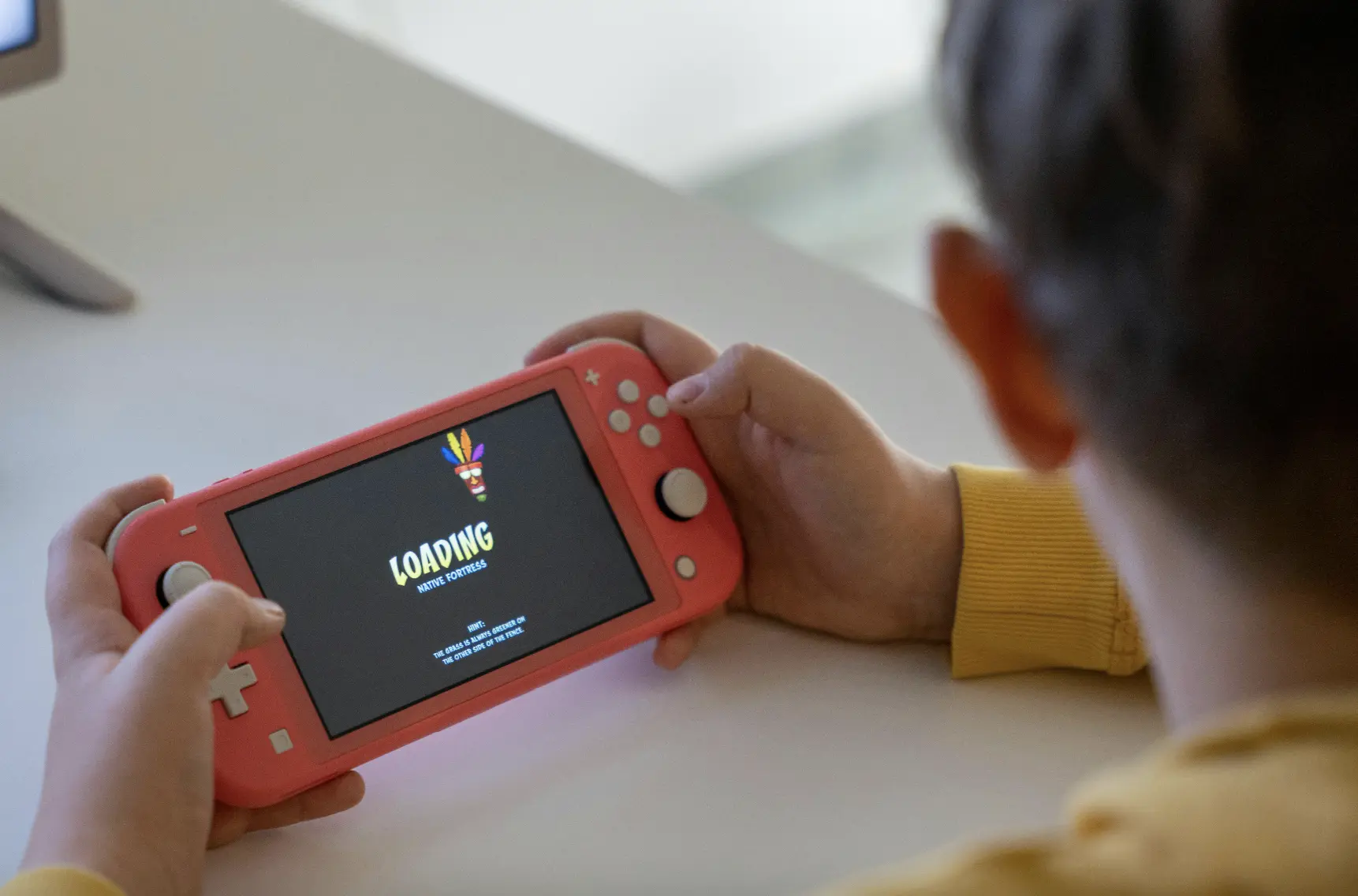
Photo by Vladimir Srajber from Pexels
Study Finds Mental Health Benefits Of Video Gaming
- Written by Kiara Fabbri Former Tech News Writer
- Fact-Checked by
A study by Nihon University in Japan, published yesterday, challenges the long-standing belief that video games harm mental health. Researchers discovered a correlation between video game play and improved psychological well-being.
Despite video games being a major component of digital culture, skepticism on their effect on mental health has grown, despite there not being any conclusive evidence. These concerns have been amplified by official, yet controversial, stances, such as the World Health Organization ‘s classification of “gaming disorder’’.
Previous research on the impact of video games has been inconsistent , with studies showing both positive and negative effects on mental well-being. The Nihon University researchers argue that many of these studies relied on observational data or controlled environments, which may not accurately reflect real-world gaming experiences.
To address these limitations, the study employed a lottery system for video game consoles during the pandemic, aiming to assess gaming’s impact in real-life conditions rather than in controlled settings. The research also used machine learning (ML) to examine how sociodemographic factors influence this relationship.
Surveying nearly 100,000 people from 2020 to 2022, the study found that casual video gaming generally improved mental well-being. However, the study also notes that playing for more than three hours per day tends to be less beneficial than for shorter periods.
Hiroyuki Egami, the study’s author, remarked, “If you enjoy your hobby, you’re likely to see a positive impact on your well-being,” as reported by New Scientist .
Additionally, the ML analysis revealed significant differences between Nintendo Switch and PlayStation 5 users. Hiroyuki and his team theorized that Switch users experienced greater psychological benefits, likely because the Switch is often used for family or social gaming. On the other hand, the PS5 is typically used for solitary gaming, which may lead to family conflicts and reduced benefits for younger users.
While the study’s findings are promising, limitations such as a 59% response rate and potential pandemic-related factors must be considered. Nevertheless, the research offers valuable insights and suggests a new approach for future studies.
Daniel Johnson, a psychologist at Queensland University of Technology in Brisbane who specializes in video games, commented, “These results are not surprising, […] They fit with what we know from talking to video-game players for decades.” As reported by Nature.
