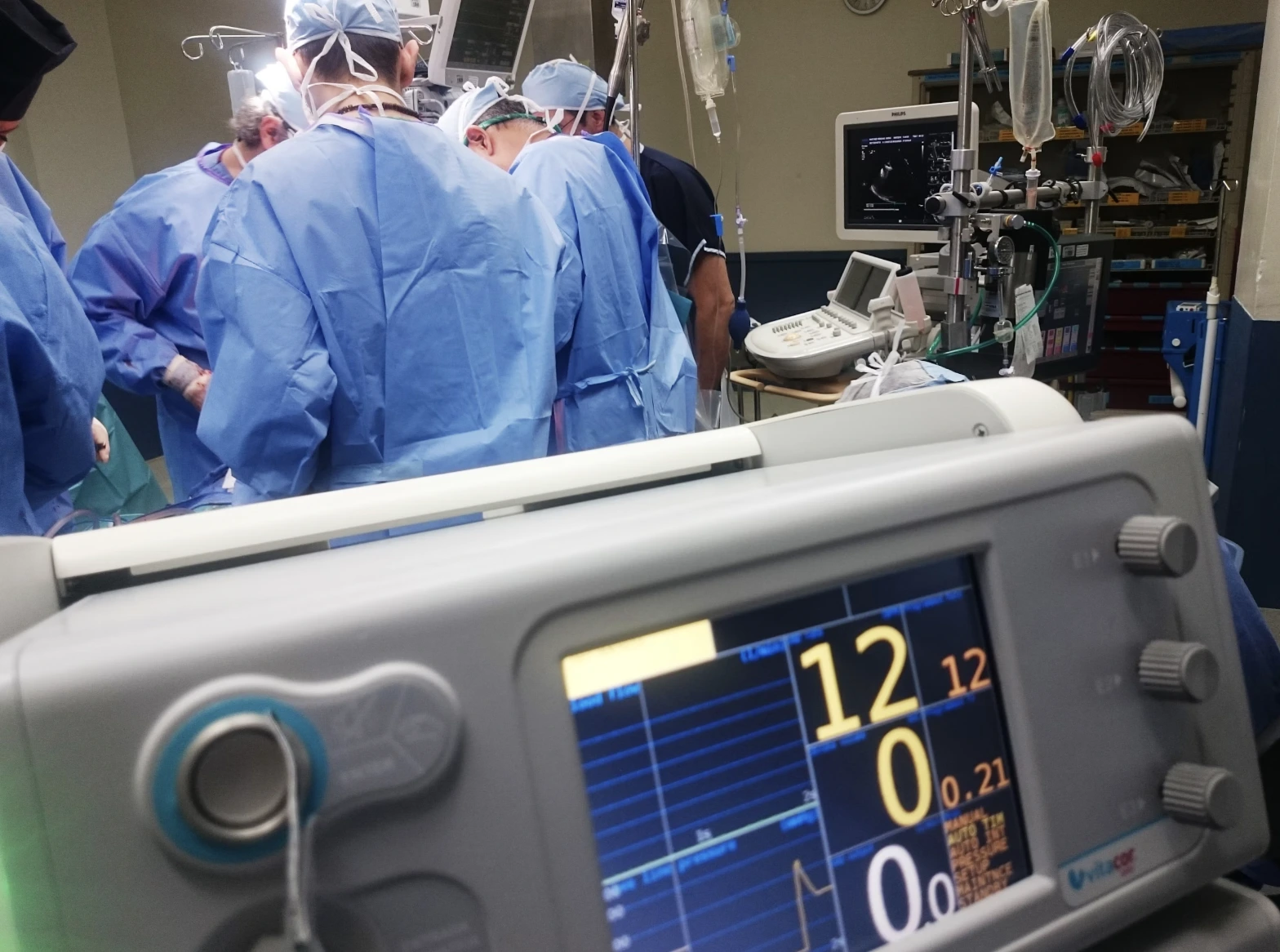
Image by Natanael Melchor, from Unsplasg
Terumo Monopolizes Repair Of Life-Saving Machines, Raising Costs For Hospitals
- Written by Kiara Fabbri Former Tech News Writer
- Fact-Checked by Justyn Newman Former Lead Cybersecurity Editor
Hospitals using Terumo Cardiovascular’s Advanced Perfusion System 1 Heart-Lung Machine, a six-figure device critical for heart surgery, have been informed they can no longer service the machines in-house. Instead, all maintenance and repairs must now go through the manufacturer.
In a Rush? Here are the Quick Facts!
- Manufacturer repair contracts significantly increase costs compared to in-house technician repairs.
- Delayed repairs could endanger patients awaiting critical open-heart surgeries.
- Critics push for right-to-repair legislation to curb monopolistic medical device practices.
This move, detailed in a letter obtained by 404 Media , ends Terumo’s certification program that previously trained hospital technicians to maintain the device.
The heart-lung machine, essential for rerouting blood during open-heart surgeries, keeps patients alive during procedures. Terumo’s letter announced the discontinuation of certification classes and stated that existing certifications would expire without renewal, as reported by 404 Media.
The company emphasized that future servicing would exclusively be handled by its in-house team to ensure “optimal performance.” However, critics argue the policy will inflate healthcare costs. Hospitals now face increased expenses by relying solely on manufacturer contracts for repairs, which often cost significantly more than using in-house technicians, as noted by 404 Media.
“It’s no secret that America’s healthcare system is the most expensive, and this is one of the reasons why. These machines are actually highly reliable, we’ve had a low cost of service for it over the last few years. And when something isn’t right, we have people in-house who can fix it,” a source familiar with Terumo repairs said as reported by 404 Media.
“But the cost of having a service contract with a manufacturer, you’re probably talking 10 times the cost,” the source added. 404 Media notes that this decision reflects a growing trend in medical device manufacturing, where companies restrict hospitals’ repair capabilities.
By revoking certifications and limiting access to repair tools and software, manufacturers create monopolies on maintenance, leaving hospitals dependent on their schedules and pricing. Critics fear delays in service could jeopardize patients awaiting critical surgeries.
404 Media reports that Terumo claims the decision was driven by declining participation in its certification program and asserts that its service team ensures proper maintenance for patient safety.
However, hospital technicians argue they are equally capable of performing these repairs. “Just because a guy has Terumo on his shirt doesn’t mean he’s a more competent technician,” the source added, as reported by 404 Media.
Calls for right-to-repair legislation in the medical field have gained traction, with experts warning that manufacturer repair monopolies threaten both patient care and hospital finances. While manufacturers like Terumo argue that restricting repairs protects patients, critics believe these policies prioritize profits over accessibility and affordability.
As hospitals grapple with rising costs and constrained repair options, the broader implications for healthcare affordability remain uncertain.

Photo courtesy of Neko Health / Founders Hjalmar Nilsonne & Daniel Ek
Swedish Health-Tech Startup Neko Health Raises $260 Million, Reaching Unicorn Status
- Written by Andrea Miliani Former Tech News Expert
- Fact-Checked by Justyn Newman Former Lead Cybersecurity Editor
The Swedish startup Neko Health has raised $260 million in funding during a Series B round, reaching a 1.8 billion valuation and earning unicorn status.
In a Rush? Here are the Quick Facts!
- Neko Health raised $260 and reached unicorn status with a new 1.8 billion valuation.
- Its body scan service costs £299 and has been performed over 10,000 times across London and Stockholm.
- The preventative healthcare company expects to expand across Europe and the United States.
The preventative healthcare technology company—founded in 2018 by Spotify’s CEO Daniel Ek and Hjalmar Nilsonne—launched a body scan service in February 2023. Since then, they have performed over 10,000 scans across London and Stockholm. The service, priced at £299—around $368—, detects anomalies to help prevent diseases and provides a comprehensive health check.
In a press release , Neko Health said the demand for its services is high, and that they have over 100,000 requests on a waiting list. The funding round, led by Lightspeed Venture Partners, provided new investment for the health-tech company to expand across Europe and the United States.
“We’re at the beginning of a big shift of the healthcare market, from reactive to proactive, driven both by technological advancements and growing consumer demand, said Hjalmar Nilsonne, CEO and Co-Founder of Neko Health. “In the coming years, Neko will continue to bring incredible innovations to the market to find and prevent disease before it has a chance to develop.”
Neko Health’s body scans analyze skin, moles in the body, heart, and arterial tree, and combine the technology with blood tests—including cholesterol, LDL, hemoglobin, high-sensitivity CRP, and more— and a doctor’s consultation.
Other health tech companies have revealed significant developments in the past few months. The American company Hippocratic AI recently raised $141 million and reached unicorn status a few days ago, and the UK-based health-tech startup Doccla recently raised £35m —$46 million—during a series B round to expand its virtual hospital service.
