
Image by Stas_kamensk, from Goodfon
Telegram Introduces New Monetization Options For Creators
- Written by Kiara Fabbri Former Tech News Writer
- Fact-Checked by Justyn Newman Former Lead Cybersecurity Editor
Today, Telegram is celebrating its 11th anniversary with a range of new features . The update includes Star Reactions, Star Subscriptions, and new monetization options for bots and business accounts, alongside with new features for channel management.
The key addition is Star Reactions, which allows users to support content creators by sending Telegram Stars . These Stars can be converted into Toncoin cryptocurrency or used to subsidize ads. A leaderboard displaying top senders is available, though users can choose to remain private.
Star Subscriptions are another update. This feature enables creators to set up exclusive channels where users pay a monthly fee in Telegram Stars to access special content or early releases.This update is set to simplify the process of creating and managing paid channels.
Telegram is also expanding monetization options for bots. This allows channel owners to post paid media, including photos and videos, through bots. This update supports various automated services, potentially benefiting developers and businesses by providing additional revenue streams.
Another update is the Super Channels feature, which lets channel admins post as their personal profiles or other channels. This change aims to make channels appear more like interactive groups. This feature is set to enhance engagement by allowing admins to showcase their personal identities.
Telegram states that it is also improving document handling on iOS. There is a new feature that opens documents in separate tabs within the Telegram browser . This makes it easier to switch between files and messages.
In their announcement, Telegram claims that the new features are designed to bolster user engagement and provide creators with more ways to monetize their content.
Their updates are available immediately for iOS users and users who downloaded Telegram directly from telegram.org for Android. The Google Play version should be available once it passes review.
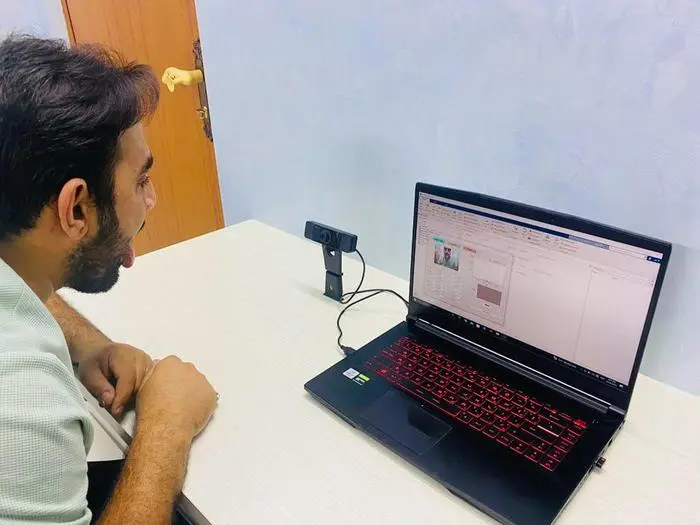
Image from Middle Technical University
AI Model Achieves 98% Accuracy In Diagnosing Diseases Through Tongue Analysis
- Written by Kiara Fabbri Former Tech News Writer
- Fact-Checked by Justyn Newman Former Lead Cybersecurity Editor
A recent research article showed that an AI-powered model has achieved a remarkable 98.71% accuracy rate in diagnosing various diseases by analyzing patients’ tongues. The AI model can identify conditions such as diabetes, stroke, anemia, asthma, liver and gallbladder issues, COVID-19, and several vascular and gastrointestinal problems.
The study, announced today by the University of South Australia, utilized various color models and machine learning algorithms to train the AI. The system processes and classifies tongue images based on color, shape, and texture. It was trained with 5,260 images across seven color categories and demonstrated high accuracy.
In the announcement, Senior Author Ali Al-Naji, Adjunct Associate Professor at MTU and UniSA, points out that this AI model is mimicking a 2,000-year-old practice from traditional Chinese medicine: using tongue examination to detect signs of disease.
Two teaching hospitals in the Middle East provided 60 tongue images from patients with different health conditions. In the study, cameras positioned 20 centimeters from the patients captured their tongue color, and the imaging system predicted their health condition in real time.
The AI-powered system was trained with six machine learning algorithms to predict tongue color under different lighting conditions. These algorithms are naïve Bayes (NB), support vector machine (SVM), k-nearest neighbors (KNN), decision trees (DTs), random forest (RF), and Extreme Gradient Boost (XGBoost).
Despite its successes, the study had limitations. These included patient reluctance to consent for data collection and issues with camera reflections affecting color accuracy. The researchers stated that future studies will tackle these problems by using advanced image processors, filters, and deep learning techniques to enhance color classification and diagnostic precision.
Significant progress has been made in AI-based tongue diagnosis, with improvements in feature extraction, data diversity, and algorithm sophistication leading to greater accuracy and reliability. These advancements highlight AI’s potential to advance traditional Chinese medicine and other medical fields.
