Image created with OpenArt
Tasty Spoon: A New High-Tech Utensil Helps Patients With Dementia Combat Taste Loss
- Written by Kiara Fabbri Former Tech News Writer
- Fact-Checked by Justyn Newman Former Lead Cybersecurity Editor
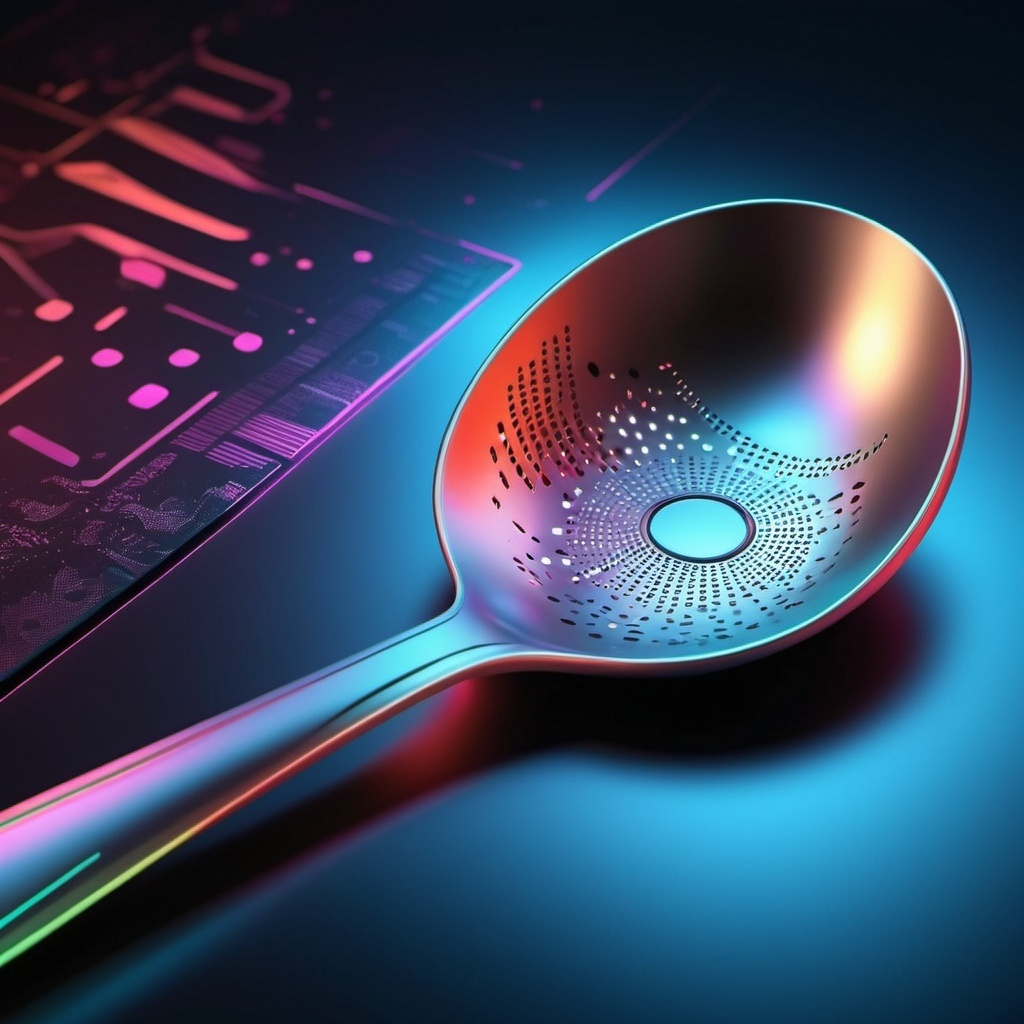
A new device, the Tasty Spoon , promises to improve food flavors for people with dementia, potentially combating malnutrition. Developed by researchers at the University of Sheffield, this technological aid uses electrostimulation to enhance taste for those experiencing weakened taste buds due to neurological conditions.
Dementia affects over 55 million people worldwide , and with the global population aging, the number of people living with the condition is expected to soar. A key symptom is a diminished sense of taste, which can make mealtimes less enjoyable and lead to dietary imbalances.
Dr. Christian Morgner, of the University of Sheffield’s Management School and Healthy Lifespan Institute is also leading the development of the Tasty Spoon. He explains in a statement, “A loss of taste can remove the enjoyment of food which impacts patient wellbeing as food plays such a significant role in our lives. This is especially prevalent in patients who live alone or in public care homes with more generalized nutrition. In a heartfelt disclosure, an individual shared that he only ate toast for the past five years, as to him there’s no difference between toast and a regular Sunday roast.”
Researchers at the University of Sheffield’s Advanced Manufacturing Research Centre (AMRC) are designing and building the proof-of-concept prototype. The spoon will incorporate electronics to deliver subtle electrostimulation, helping users distinguish between different flavors and enhancing the meal experience. The device is rechargeable, easy to clean, and aims to use environmentally friendly materials.
The Alzheimer’s Society has also awarded funding to the project through its Accelerator Programme. This initiative aims to fast-track innovative dementia products to market. With this support, the team will focus on making the Tasty Spoon accessible and affordable for people living with dementia.
Simon Lord, head of innovation at the Alzheimer’s Society, said in a statement for the AMRC , “Innovations like this are vital as they focus on enriching daily experiences and improving health and well-being. The Alzheimer’s Society’s Accelerator Programme is dedicated to funding tech-based solutions, […] Tasty Spoon is a unique product, and we cannot wait to help get it into the hands of people living with dementia.”
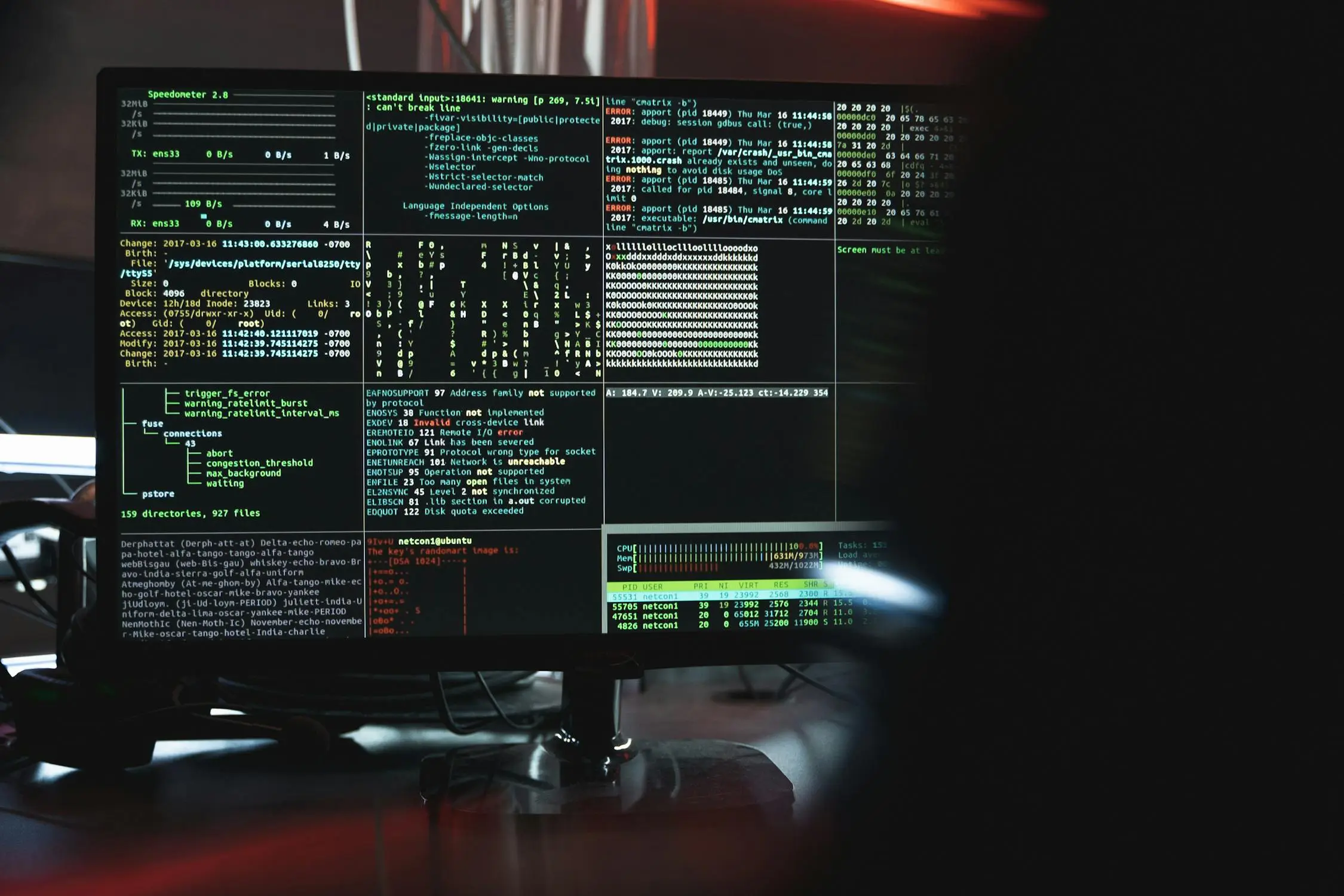
Image by Tima Miroshnichenko, from Pexels
Researchers Reveal AI Can See Your Screen Through HDMI Cable Leaks
- Written by Kiara Fabbri Former Tech News Writer
- Fact-Checked by Justyn Newman Former Lead Cybersecurity Editor
A new study reveals that hackers could potentially intercept electromagnetic radiation from HDMI cables to decode screen content using artificial intelligence. One of the researchers points out in an interview with New Scientist that this form of eavesdropping is primarily a threat to high-security environments rather than ordinary users.
The connection between computers and screens was once entirely analog, but today it is mostly digital, transmitting data in binary through high-definition multimedia interface (HDMI) cables. Whenever a signal travels through a wire, some electromagnetic radiation leaks out, and with analog signals, hackers could relatively easily intercept this leak, the study explains.
Attacks exploiting this phenomenon are known as TEMPEST in the research report. Although digital signals are more complex and carry more data, making them harder to decode, they can still be intercepted.
Federico Larroca and his team at the Universidad de la República Uruguay pinpointed this vulnerability by developing an AI model capable of reconstructing these intercepted digital signals from a few meters away.
They evaluated the model’s performance by comparing the text captured from the reconstructed image to the original screen image. The AI achieved an error rate of around 30 percent, meaning that most of the text could be accurately read despite some characters being misinterpreted.
Hackers could use this technique to spy on sensitive information like passwords and bank details displayed on a screen. They can do this by intercepting signals with remote antennas or hidden devices.
Larroca told New Scientist, “Governments are worried about this, [but] I wouldn’t say that the normal user should be too concerned,[…] But if you really care about your security, whatever your reasons are, this could be a problem.”
To mitigate these risks, the researchers propose two countermeasures that can be implemented by modifying the displayed image in a way that is almost imperceptible to the user but disrupts the AI’s ability to decode the intercepted signals. One method involves adding low-level noise to the image, which acts as an adversarial attack on the neural network, making the resulting text largely illegible. Another approach is to use a color gradient on the image’s background, such as a white-to-black ramp, which significantly alters the intercepted signal.
