
Image by Kindle Media, from Pexels
- Written by Kiara Fabbri Former Tech News Writer
- Fact-Checked by Sarah Frazier Former Content Manager
In a rush? Here are the quick facts:
- Tariffs are expected to cause customs delays and increase shipping and logistics costs.
- Over 100,000 Amazon sellers in Shenzhen generate $35.3 billion annually.
- Some sellers plan to shift focus to Europe, Canada, and Mexico instead.
“It’ll be very hard for anyone to survive in the U.S. market […] So for all of us in the cross-border e-commerce business today, this is truly an unprecedented blow.” she added.
The cross-border e-commerce sector in Shenzhen produced $35.3 billion worth of sales during the previous year. Shein and Temu receive their manufacturing support from China, said Reuters.
But the steep U.S. tariffs are now threatening that model. “For us and anyone else, you can’t rely on the U.S. market, that’s quite clear,” said Dave Fong, who sells products like school bags and Bluetooth speakers, as reported by Reuters.
He said he already increased prices by up to 30% in the U.S. and is cutting back on ads and inventory. “We have to reduce investment, and put more resources into regions like Europe, Canada, Mexico and the rest of the world,” he added, as reported by Reuters.
“I don’t see a scenario, if things don’t change, that serving the U.S. from China is viable any more and manufacturing that serves the U.S. will have to be transferred to other countries like Vietnam, or Mexico,” Miller said, as reported by Reuters.
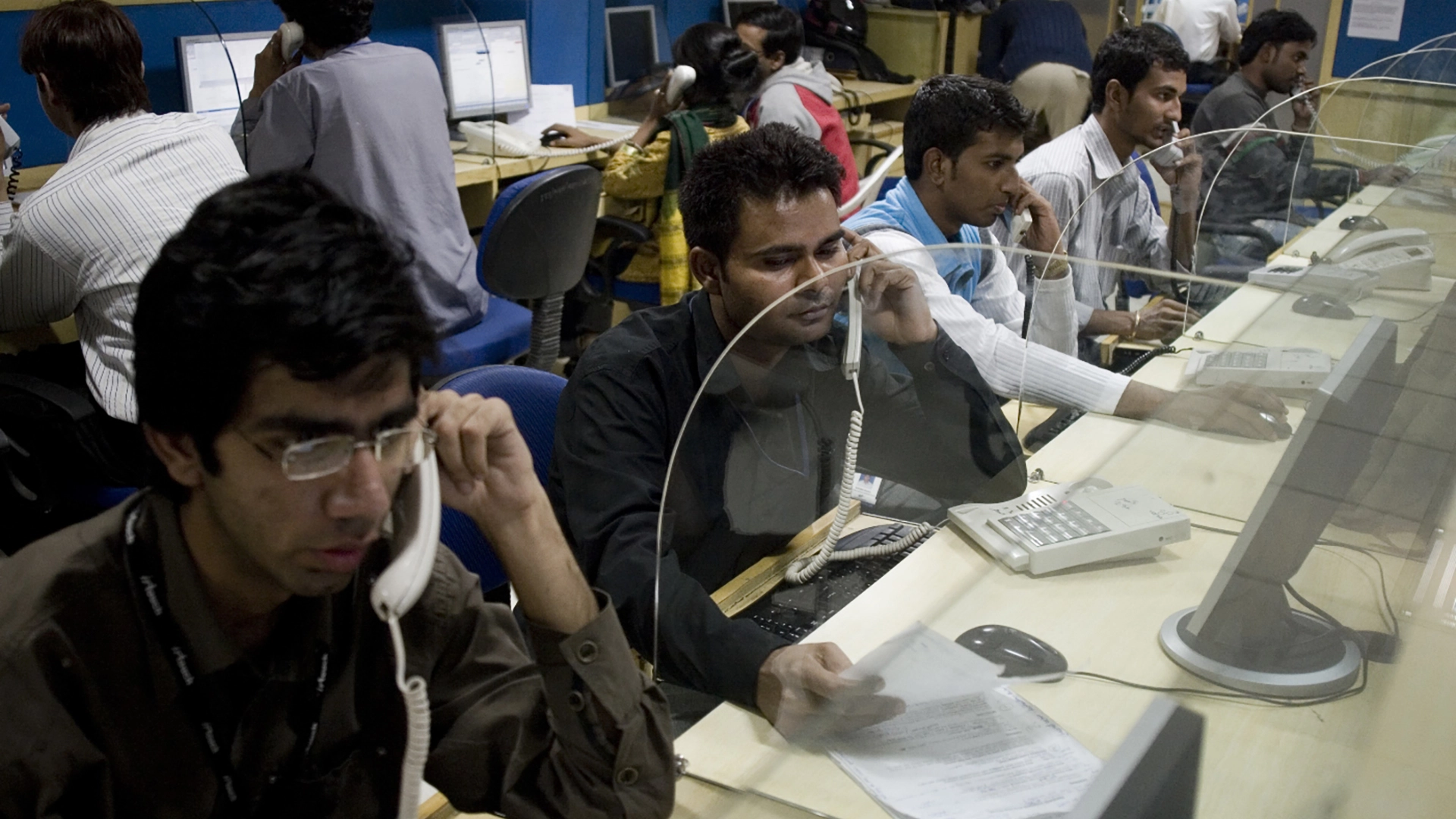
Image by ILO Asia-Pacific, from Flickr
Startup’s ‘AI’ Was a Fraud, Human Labor in Philippines Did the Work
- Written by Kiara Fabbri Former Tech News Writer
- Fact-Checked by Sarah Frazier Former Content Manager
Albert Saniger, founder and former CEO of Nate, a startup that claimed to use AI to power online shopping, has been charged with fraud by U.S. authorities.
In a rush? Here are the quick facts:
- CEO Albert Saniger raised over $50 million from top venture firms.
- DOJ says Nate’s automation rate was nearly zero despite AI claims.
- Investors were left with near-total losses after Nate shut down.
The United States Department of Justice (DOJ) alleges that Saniger misled investors by saying his app was driven by AI when, in reality, it relied on human workers in the Philippines to complete purchases manually.
But according to the DOJ, Nate’s AI system didn’t actually work. Despite hiring data scientists and acquiring some AI tools, the automation rate was “effectively zero percent.” The purchases weren’t completed by AI but by hundreds of Filipino workers in a call center, who were manually handling transactions behind the scenes.
TechCrunch reports that Saniger raised over $50 million for Nate, including a $38 million Series A round in 2021. He told investors the app could function “without human intervention,” with only occasional “edge cases” needing manual help. But those claims, the DOJ says, were false.
“As alleged, Albert Saniger misled investors by exploiting the promise and allure of AI technology to build a false narrative about innovation that never existed,” said Acting U.S. Attorney Matthew Podolsky, as reported by the DOJ.
“This type of deception not only victimizes innocent investors, it diverts capital from legitimate startups, makes investors skeptical of real breakthroughs, and ultimately impedes the progress of AI development,” he added.
FBI Assistant Director Christopher G. Raia added: “Albert Saniger allegedly defrauded investors with fabrications of his company’s purported artificial intelligence capabilities while covertly employing personnel to satisfy the illusion of technological automation.”
The indictment also revealed that Saniger kept the truth from many of his employees by restricting access to automation data and claiming the information was a “trade secret,” as reported by the DOJ. Nate eventually ran out of money and sold off its assets in early 2023, leaving investors with “near total” losses, as reported by TechCrunch.
Saniger, now 35 and based in Barcelona, faces up to 20 years in prison if convicted of securities and wire fraud. He is also being sued in a separate civil case by the U.S. Securities and Exchange Commission.
