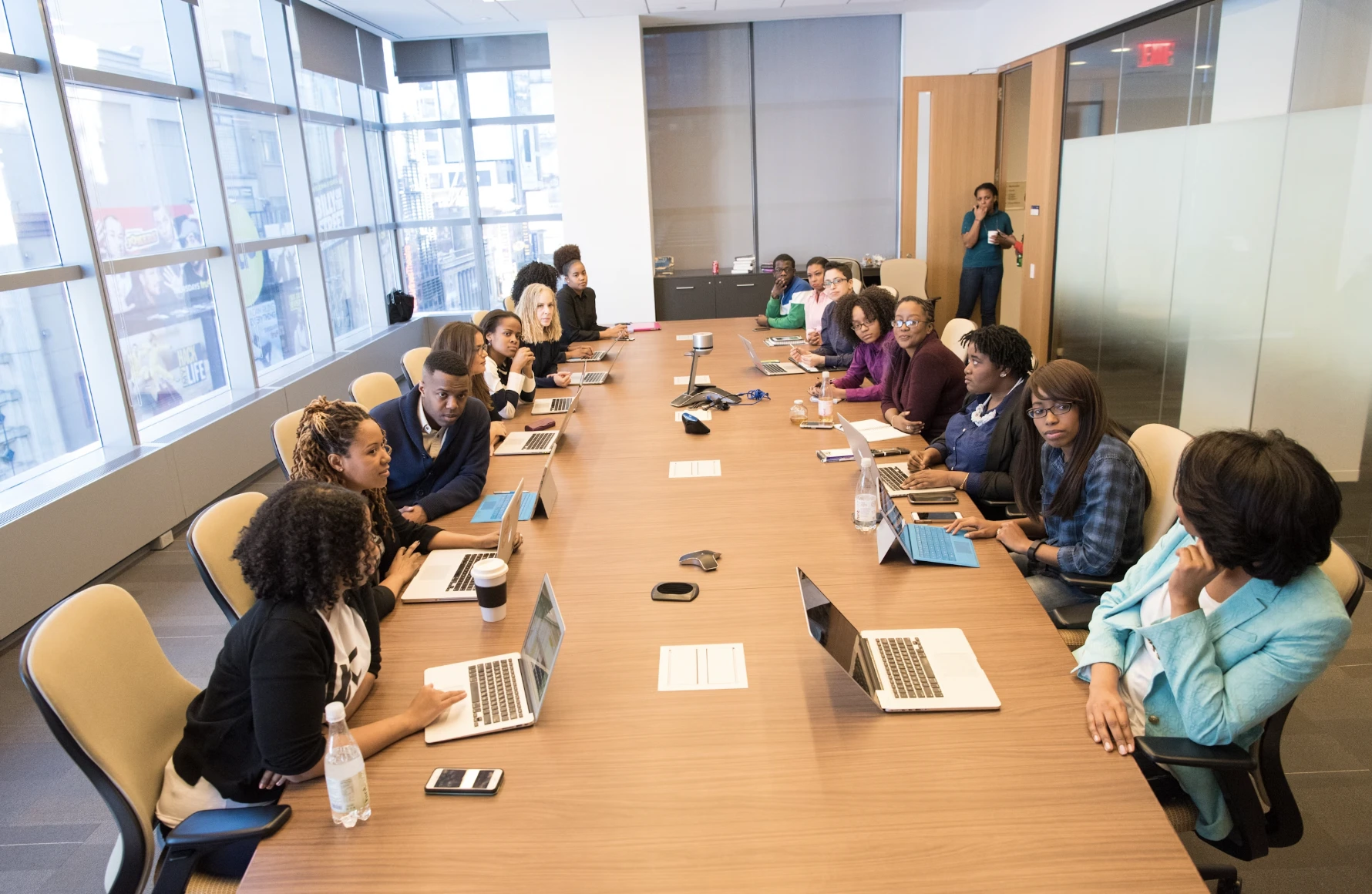
Image by Christina @ wocintechchat.com, from Pixabay
Survey Reveals 51% Of UK Companies Plan AI Investment Over New Hires
- Written by Kiara Fabbri Former Tech News Writer
- Fact-Checked by Justyn Newman Former Lead Cybersecurity Editor
A recent poll reveals that over half of UK business leaders intend to invest in AI rather than hire new staff, citing rising employment costs as a driving factor.
In a Rush? Here are the Quick Facts!
- 51% of UK businesses plan to invest in AI over hiring new staff.
- Labour reforms, including higher wages and worker protections, escalate employment costs.
- 57% of businesses expect to reduce hiring in 2025 due to regulatory changes.
Conducted by Boston Consulting Group (BCG), the survey, first reported by the Financial Times , highlights a significant shift in corporate priorities following Chancellor Rachel Reeves’ tax policy changes. This news follows the UK government announced plans to leverage AI for growth .
The study, shared with the Financial Times, found that 51% of business leaders plan to redirect funds from hiring to AI due to the increase in employers’ national insurance contributions announced in the October Budget.
Employers are also grappling with higher costs from an increased national living wage and anticipated workers’ rights reforms under the Labour government, which aim to eliminate zero-hour contracts and expand unfair dismissal protections, as reported by the Financial Times.
The poll, which surveyed leaders from 251 UK businesses employing more than 50 people, also revealed that 44% of respondents view AI investment as a priority this year. Meanwhile, 57% anticipate hiring fewer staff by 2025 due to these financial pressures and regulatory changes.
Companies have expressed concern about the financial strain, estimating billions of pounds in additional costs from higher national insurance rates and lower earnings thresholds for contributions.
An executive from one of the UK’s largest employers noted that the government “increasing the costs of employing people in multiple ways simultaneously right at the point when AI cost cutting possibilities emerge,” as noted by the Financial Times
Nick South, managing director at BCG, noted that advancements in AI, particularly generative AI, offer companies new opportunities to enhance productivity amidst rising employment costs. “Over time you will see organisations reshaping the size and shape of their workforces,” he said, as reported by the Financial Times.
This aligns with Sam Altman’s recent statement , where he suggested that by 2025, AI agents could enter the workforce and have a significant impact on company output. This trend underscores the growing role of AI in business strategy, particularly as companies navigate challenging economic conditions and rising regulatory demands.
Indeed, a recent WEF’s report predicted that digital access and AI will reshape the job market. Key technologies like AI, robotics, and automation are driving job growth in tech roles while decreasing demand for repetitive jobs. With skills evolving, WEF suggests that reskilling is essential, as 39% of skills may become obsolete by 2030 .
The report highlights government policies as a major factor driving the shift from hiring staff to investing in AI. However, it is important to note that the idea that AI can accomplish more with fewer resources might be the most appealing aspect to executives looking to reduce costs.
However, this approach also carries risks for companies, as relying heavily on AI could create challenges and vulnerabilities in the long run.Indeed, a recent survey reported by Medium , identified key vulnerabilities in AI agents.
These include unpredictable user inputs, complex internal processes, inconsistent behavior across different environments, and risks from interacting with unverified external sources, making it difficult to detect cybersecurity threats.

Image by Good Faces Agency, from Unsplash
Hinge’s New AI Wingman Offers Personalized Feedback
- Written by Kiara Fabbri Former Tech News Writer
- Fact-Checked by Justyn Newman Former Lead Cybersecurity Editor
Hinge has announced today a new AI-powered feature called “Prompt Feedback,” designed to enhance dating profiles by analyzing users’ responses and offering suggestions for increased “specificity” and “authenticity”.
In a Rush? Here are the Quick Facts!
The feature uses GPT-4 mini to provide tailored suggestions for profile improvement.
Three levels of feedback guide users: “Great Answer,” “Try a Small Change,” and “Go Deeper.”
Hinge’s AI tool arrives during a time of user fatigue with online dating.
Using OpenAI’s GPT-4 mini, Prompt Feedback evaluates each prompt answer and provides tailored advice to help users highlight interesting details about themselves, encouraging more engaging conversations, as reported by TechCrunch .
Rather than dictating exact responses, the feature offers three levels of guidance: “Great Answer,” “Try a Small Change,” and “Go a Little Deeper.” The “Great Answer” option encourages users to keep their response as is, while the other levels suggest improvements, such as adding more personal details like a favorite genre or artist to showcase individuality.
There is an obvious inherent paradox in Hinge’s approach: while the platform encourages users to be more authentic, the responses are ultimately reviewed and influenced by AI. This raises questions about the true authenticity of advice provided, as users are guided by an algorithm rather than their own instincts or personal expression.
TechCrunch notes that this new feature arrives at a challenging time for online dating, as users are feeling fatigued by the endless swiping, unproductive chats, and frequent ghosting.
@carlyweinstein1 When u have just rly had it with the dating scene. #hingeprompts #onlinedating #datingapps #nycdating #singlelife ♬ original sound – Carly Weinstein
This news highlights the increasing use of AI in online dating platforms. For instance, Grindr is testing an AI “wingman” to help users find long-term partners, suggest date spots, and even make reservations. Moreover, Tinder launched an AI tool in July to help users select the best images for their profiles.
Whether this new trend will increase burnout or genuinely improve authenticity, as Hinge claims, remains to be seen.
