
Image by Andy Wang, from Unsplash
Study Reveals Key Motivations For AI Adoption Among University Students
- Written by Kiara Fabbri Former Tech News Writer
- Fact-Checked by Justyn Newman Former Lead Cybersecurity Editor
A recent study published in BMC Psychology sheds light on the key factors influencing how university students adopt AI technologies.
In a Rush? Here are the Quick Facts!
- Survey of 482 students highlights cultural and practical factors in AI adoption.
- Practical benefits of AI strongly motivate its use among Peruvian university students.
- Ethical concerns and anxiety have minimal impact on students’ AI adoption decisions.
The research identifies three main drivers of AI adoption: perceived usefulness, social influence, and students’ confidence in their ability to learn and use AI. The study surveyed 482 students from public and private universities, analyzing how different factors shaped their willingness to use AI tools.
Perceived usefulness emerged as a significant motivator, as students were more likely to adopt AI when they believed it could enhance their academic performance . Many saw practical benefits, such as completing assignments more efficiently or understanding complex topics better.
Social influence also played a crucial role. Students were more likely to try AI tools when encouraged by their peers, classmates, or educators, indicating that recommendations from trusted sources heavily impacted their decisions.
Confidence in learning AI, referred to as self-efficacy, was another key factor. Those who felt capable of mastering AI technologies were more inclined to use them, emphasizing the need for educational support and training to boost confidence.
Interestingly, the study found that some expected influences had little effect on students’ decisions. Ethical concerns about AI, for example, did not significantly impact their willingness to adopt the technology.
Similarly, the idea of using AI for enjoyment or the level of readiness and anxiety about its use did not seem to matter as much. The researchers argue that this suggests that practical and social factors outweigh ethical or emotional considerations in this context.
The researchers point out that the study has some limitations, like using one-time surveys, sampling only Peruvian students, and leaving out educators’ perspectives.
They suggest that future research could track AI use over time, compare across cultures, and include educators. It should also explore how factors like background, support systems, and academic benefits affect AI adoption in education.
Nevertheless, the researchers suggest that the findings on ethical awareness highlight the importance of creating detailed guidelines and educational programs to promote responsible AI use. This is particularly relevant given a recent MIT study warning about addiction to AI .
Additionally, the authors emphasize the importance of targeted training programs to help students confidently use AI tools. This is especially true considering that large language models (LLMs) can be unreliable in scientific contexts .
Additionally, recent studies highlight ChatGPT’s issues with accurate citations, often fabricating or misrepresenting sources , undermining trust. Additionally, ChatGPT has cited plagiarized sources, favoring unlicensed content over original journalism.
Moreover, Generative AI also enables the rapid creation of realistic yet fake scientific data and images , which researchers find difficult to detect due to the lack of clear manipulation signs. AI-generated figures may already be present in scientific journals.
As AI continues to shape the future of education , this study underscores the importance of tailoring strategies to specific cultural and social contexts. By addressing what truly motivates students, universities can effectively integrate AI into learning environments and foster innovative educational practices.
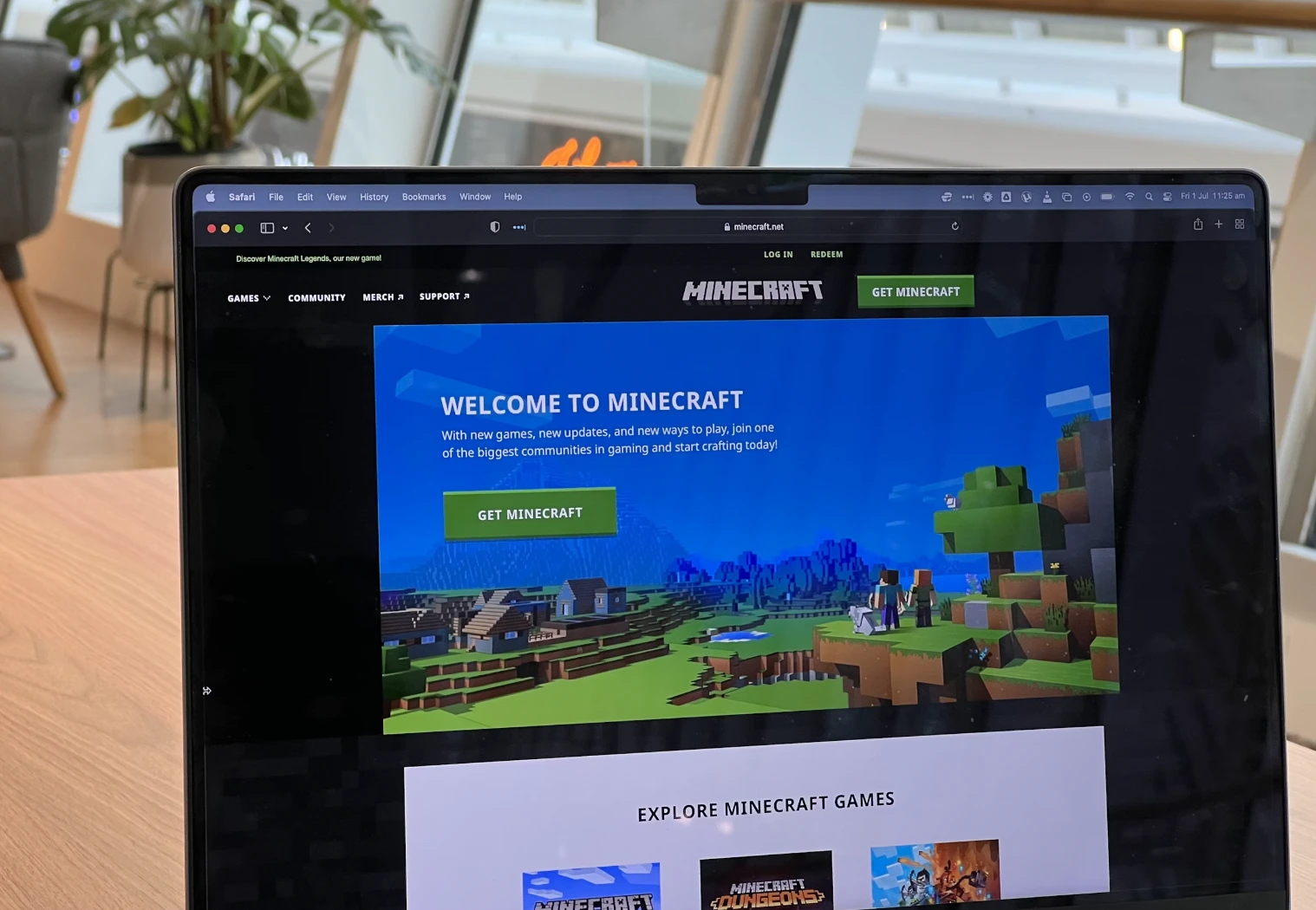
Image by Oberon Copeland @veryinformed.com, from Unsplash
Minecraft Creator Sparks Buzz with Poll Teasing Spiritual Successor
- Written by Kiara Fabbri Former Tech News Writer
- Fact-Checked by Justyn Newman Former Lead Cybersecurity Editor
Markus “Notch” Persson, the creator of Minecraft, has sparked excitement by hinting at developing a spiritual successor to the iconic game.
In a Rush? Here are the Quick Facts!
- Markus “Notch” Persson hinted at developing a spiritual successor to Minecraft.
- The new project will not infringe on Mojang’s work with the original Minecraft.
- Fans are speculating about features, though Notch stressed he’s prioritizing fun over profit.
Forbes reports that through a series of posts on his X account, Notch shared a poll asking followers whether he should continue working on his current project—a roguelike mixed with a first-person dungeon crawler—or start creating Minecraft 2. The latter option garnered overwhelming support, with 77% of voters favoring the idea.
Honest and legitimate request for feedback for once: The new game I’m passionately working on is currently set to be a traditional roguelike (i.e. ADOM, nethack, etc) mixed with a tile based first person dungeon crawler (ie Legend of Grimrock (esp 2), Eye of the Beholder) But… — notch (@notch) January 1, 2025
In a follow-up post, Notch confirmed he was serious about the poll and stated he had “basically announced Minecraft 2.” While he has no plans to infringe on Mojang’s work with the original game, he emphasized that this new project would serve as a spiritual successor rather than a direct sequel, as reported by Forbes.
I basically announced minecraft 2. I thought that maybe people ACTUALLY do want me to make another game that’s super similar to the first one, and I’m loving working on games again. I don’t super duper care exactly which game I make first (or even if I make more), but I do know… — notch (@notch) January 3, 2025
Notch, who sold Minecraft to Microsoft in 2014, expressed enthusiasm about his return to game development, noting that he is enjoying working in an office again after years away from the industry.
However, Forbes noted that he cautioned fans that there is no guarantee Minecraft 2 or his roguelike project will ever reach completion, citing his history of abandoning projects.
Honestly, I’m not even sure I’ll make it to release, based on having been me for all my life. But I do know I’m genuinely loving having fun working on a game in an office and would love to give it a shot. — notch (@notch) January 3, 2025
Forbes reports that fans have flooded social media platforms, including X and Threads, with questions about the potential features and differences in Minecraft 2.
Notch responded to some inquiries, acknowledging that financial incentives are not driving his decision. Instead, he aims to pursue whatever project feels enjoyable and creatively fulfilling, as reported by Forbes.
Despite the buzz, it may take years before any tangible product emerges. Notch’s reputation as the original visionary behind Minecraft has set high expectations, but his recent activity suggests a renewed passion for game development. Whether fans see Minecraft 2 or another innovative title, his return has already reignited interest in his creative work.
