Image from Pxhere
Study Finds Social Media’s Rise In Nature Photography Harms Wildlife And Habitats
- Written by Kiara Fabbri Former Tech News Writer
- Fact-Checked by Justyn Newman Former Lead Cybersecurity Editor
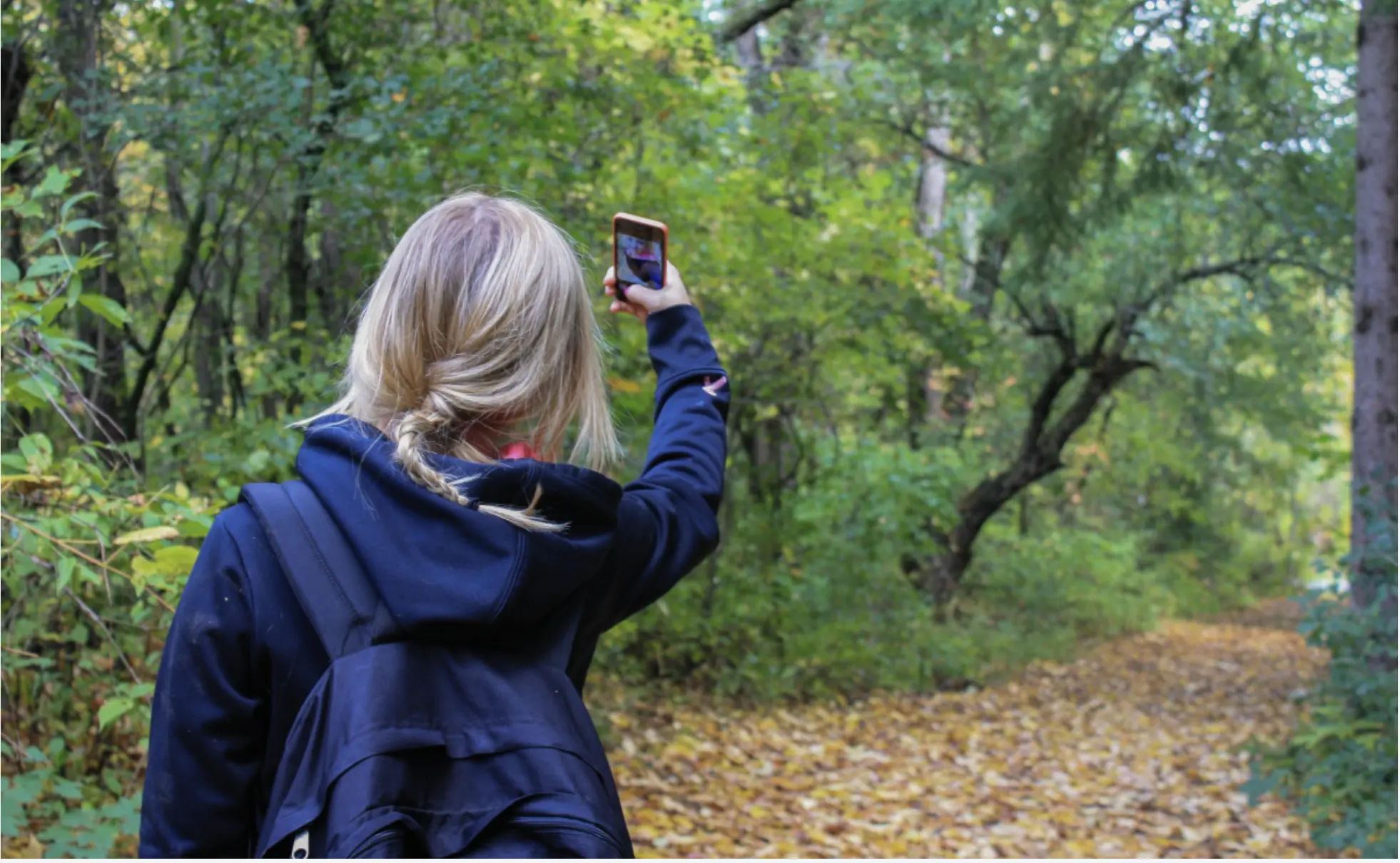
In a news post published yesterday by Edith Cowan University, researchers outlined their study on how the rise of social media has transformed nature tourism and photography. However, they also highlighted that this trend is causing significant harm to wildlife and natural habitats. As users share their outdoor adventures online, they inadvertently contribute to both direct and indirect disturbances that threaten biodiversity.
The researchers argue that the rise of nature photography on social media has led to increased activities that directly harm wildlife. These activities include using methods such as call playback, drones, and baiting in order to capture perfect images. According to the researchers, these practices disrupt animal breeding and feeding behaviors.
Additionally, the physical act of capturing and handling animals for photographs, along with damage to plants, exacerbates these disturbances. The researchers also argue that social media indirectly fosters the spread of diseases and encourages poaching. The visibility of rare species and sensitive environments can attract illegal activities.
Recent research highlights these issues, pointing out that while social media has been a powerful tool for conservation by increasing awareness and engagement, it has also led to unintentional negative consequences.
The rapid dissemination of information about the locations of rare species can result in overcrowding and trampling. Additionally, the pursuit of unique images can promote unethical practices and overexploitation of vulnerable species.
Dr. Rob Davis, a Senior Lecturer in Vertebrate Biology at ECU, explained on the news post, “Social media groups have made it easy for people to identify the location of endangered plant species or the breeding grounds of bird or wildlife species, with the information being disseminated quickly and causing a major influx of people into an area that would otherwise have remained untouched […] As a result, animal breeding and feeding patterns are disturbed, and there is an increased risk for predation. Furthermore, the use of call playback, or drones, or the handling of wild animals for photographs leaves a lasting impact.”
While social media poses challenges, it also has potential benefits. Dr. Davis notes that photography can be a powerful tool for conservation, helping to foster environmental activism and education. Social media’s broad reach allows scientists and land managers to harness user-generated content for conservation purposes. Additionally, he points out that new plant species have been identified through social media activity.
However, researchers advocate for stricter codes of ethics and better management to mitigate the negative impacts. Dr. Davis suggests a framework to protect vulnerable species and promote responsible behavior, emphasizing the need for education and stakeholder involvement to balance social media use with conservation efforts.
Dr. Davis proposes, “Many nature groups and societies already have well-established codes of ethics for responsible conduct including for activities such as birdwatching, bird photography and orchid photography. Such codes of conduct are an excellent starting point but are non-binding and rely on individuals doing the right thing and/or peer pressure to speak up about inappropriate behavior.”
He adds, “However, this may remain the most realistic basis for reducing impacts on biodiversity and questions could be asked of any groups that do not have or adhere to such codes of conduct.”
In summary, while social media has democratized access to nature photography and boosted conservation efforts, it also poses significant risks to biodiversity. Balancing these benefits and harms will require concerted efforts from all involved in nature tourism and social media to develop and adhere to ethical guidelines that protect our natural world.

Image by Possessed Photography, from Unsplash
Autonomous Robot Learns New Skills Through Practice And Planning
- Written by Kiara Fabbri Former Tech News Writer
- Fact-Checked by Justyn Newman Former Lead Cybersecurity Editor
Yesterday, MIT News published a story outlining one of their new research project involving robotics. Specifically, researchers at MIT have developed a system that allows robots to independently learn and improve their skills through practice.
This system, known as Estimate, Extrapolate, and Situate ( EES ), enables robots to autonomously decide which skills to practice, how to practice them, and how to enhance their overall performance.
The EES approach involves three key steps . First, the robot estimates the competence of each skill, determining how likely it is that the skill will achieve its intended effects. Next, it extrapolates this competence by predicting how much practice will improve the skill.
Finally, the robot situates this improved competence within the broader context of its tasks, evaluating how practicing a particular skill will benefit its overall performance. This method allows the robot to plan and practice skills autonomously, without any need for environmental resets or human intervention.
Tests in simulated environments have shown that EES significantly outperforms other methods in terms of sample efficiency. This means that it requires fewer practice attempts to achieve the same level of proficiency.
The approach has also been successfully implemented in real-world scenarios. In these tests, the robot demonstrated an ability to handle noisy data and improve its performance over time, despite facing challenges such as perception errors and skill execution failures.
However, the system is not without limitations. The robot occasionally encounters dead-end states where it cannot achieve its goals due to unforeseen circumstances, such as objects becoming inaccessible or errors in perception.
Additionally, some skills are prone to failures that cannot be completely resolved through practice alone. These issues highlight the need for ongoing refinement and development in autonomous robot systems.
Overall, the EES approach represents a significant advancement in robotic learning and adaptability, paving the way for more sophisticated and capable autonomous systems. As researchers continue to address its limitations, the potential for robots to perform complex tasks with minimal human intervention becomes increasingly realistic.
