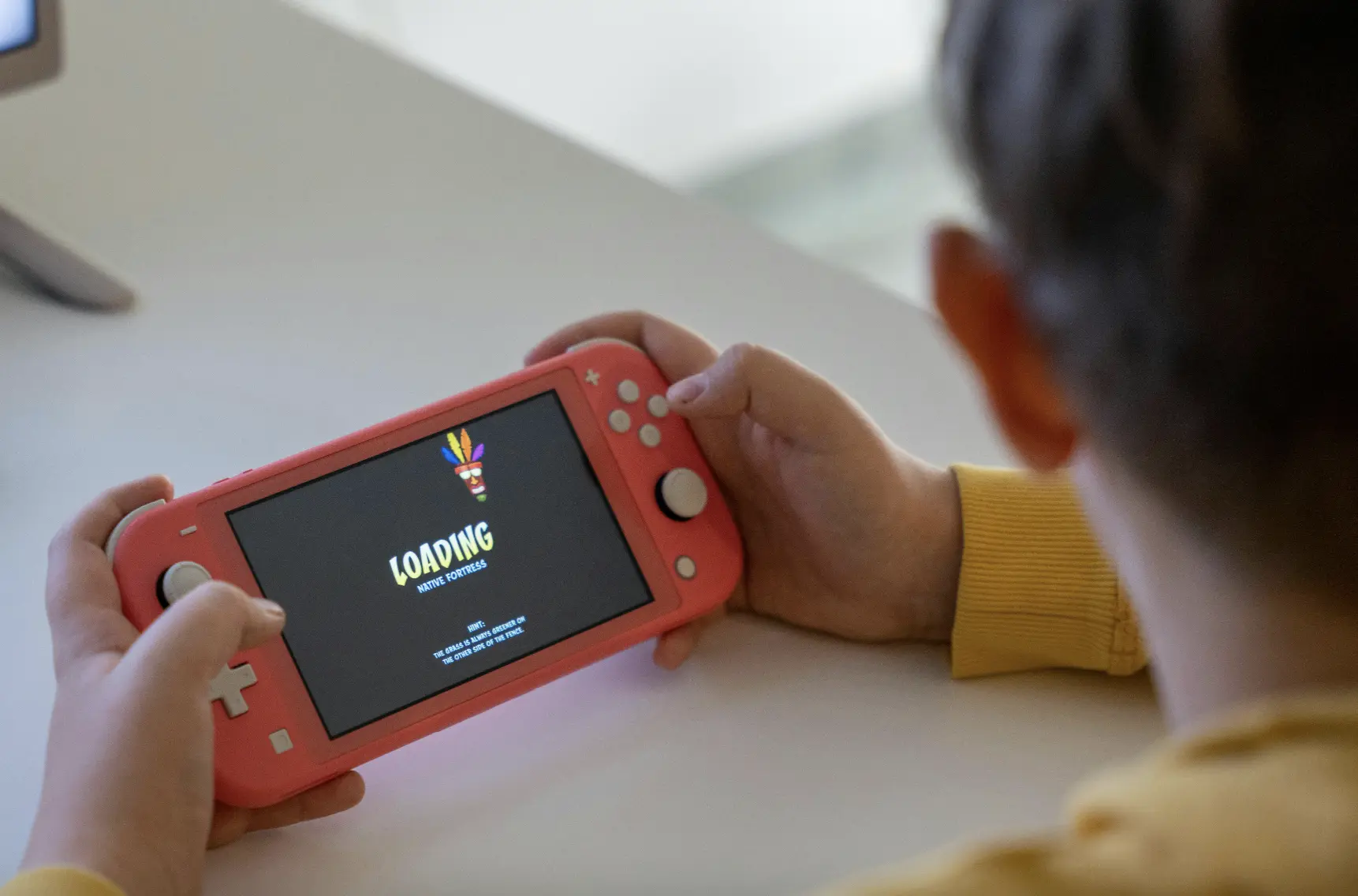
Photo by Vladimir Srajber from Pexels
Study Finds Mental Health Benefits Of Video Gaming
- Written by Kiara Fabbri Former Tech News Writer
- Fact-Checked by
A study by Nihon University in Japan, published yesterday, challenges the long-standing belief that video games harm mental health. Researchers discovered a correlation between video game play and improved psychological well-being.
Despite video games being a major component of digital culture, skepticism on their effect on mental health has grown, despite there not being any conclusive evidence. These concerns have been amplified by official, yet controversial, stances, such as the World Health Organization ‘s classification of “gaming disorder’’.
Previous research on the impact of video games has been inconsistent , with studies showing both positive and negative effects on mental well-being. The Nihon University researchers argue that many of these studies relied on observational data or controlled environments, which may not accurately reflect real-world gaming experiences.
To address these limitations, the study employed a lottery system for video game consoles during the pandemic, aiming to assess gaming’s impact in real-life conditions rather than in controlled settings. The research also used machine learning (ML) to examine how sociodemographic factors influence this relationship.
Surveying nearly 100,000 people from 2020 to 2022, the study found that casual video gaming generally improved mental well-being. However, the study also notes that playing for more than three hours per day tends to be less beneficial than for shorter periods.
Hiroyuki Egami, the study’s author, remarked, “If you enjoy your hobby, you’re likely to see a positive impact on your well-being,” as reported by New Scientist .
Additionally, the ML analysis revealed significant differences between Nintendo Switch and PlayStation 5 users. Hiroyuki and his team theorized that Switch users experienced greater psychological benefits, likely because the Switch is often used for family or social gaming. On the other hand, the PS5 is typically used for solitary gaming, which may lead to family conflicts and reduced benefits for younger users.
While the study’s findings are promising, limitations such as a 59% response rate and potential pandemic-related factors must be considered. Nevertheless, the research offers valuable insights and suggests a new approach for future studies.
Daniel Johnson, a psychologist at Queensland University of Technology in Brisbane who specializes in video games, commented, “These results are not surprising, […] They fit with what we know from talking to video-game players for decades.” As reported by Nature.
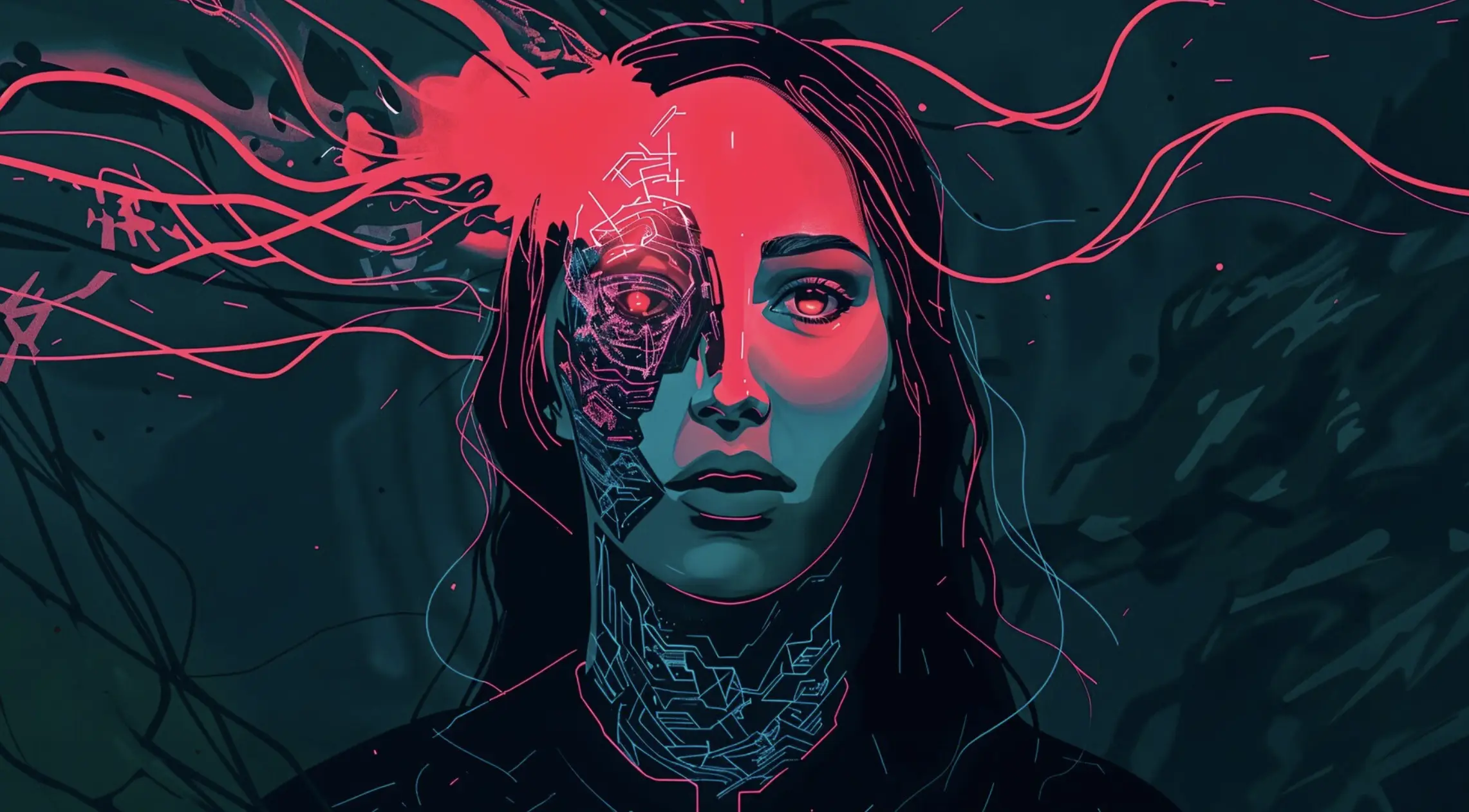
AI-generated Image from Freepik
Popular Digital Painting App Rejects AI to Protect Artistic Integrity
- Written by Kiara Fabbri Former Tech News Writer
- Fact-Checked by Justyn Newman Former Lead Cybersecurity Editor
The popular digital art app Procreate has taken a firm stance against integrating generative AI into its platform. The company has publicly declared its commitment to supporting human creativity, arguing that the current direction of AI development poses a threat to artistic originality.
Procreate’s CEO, James Cuda, has been vocal in his criticism of generative AI, expressing concerns about its impact on artists. In a video published yesterday on platform X, he stated, “I really f****** hate generative AI. I don’t like what’s happening in the industry, and I don’t like what it’s doing to artists. We’re not going to be introducing any generative AI into our products.”
We’re never going there. Creativity is made, not generated. You can read more at https://t.co/9Fgh460KVu ✨ #procreate #noaiart pic.twitter.com/AnLVPgWzl3 — Procreate (@Procreate) August 18, 2024
Procreate issued a strong statement against generative AI on its website. The company asserts that “Generative AI is ripping the humanity out of things. Built on a foundation of theft, the technology is steering us toward a barren future.”
While acknowledging the potential of machine learning, Procreate maintains that the current trajectory of generative AI is detrimental to human creativity.
The company emphasizes its commitment to artists, stating, “We’re here for the humans. We’re not chasing a technology that is a moral threat to our greatest jewel: human creativity.”
Procreate recognizes that its stance may position it as an outlier in the tech industry, but it remains steadfast in its belief to prioritize human creativity.
The Verge and TechCrunch report that many online creators have applauded Procreate’s decision to reject generative AI, many of whom are critical of the increasing integration of AI in other digital art and illustration tools.
However, the use of AI tools in artistic creation might be more nuanced than what Cuda expressed. A research paper exploring both the benefits and limitations of such tools suggests that it’s a complex issue.
Specifically, while highlighting criticisms and limitations, including a lack of creativity and originality, technical skill requirements, potential homogenization, and ethical concerns, AI tools can offer advantages. These include increased efficiency, idea generation, personalization, and collaboration. AI tools enable artists to enhance their creative processes by leveraging these benefits.
The paper emphasizes the importance of addressing these issues. It highlights the need to understand both the benefits and drawbacks of these tools to make informed decisions about integrating them into the creative process.
Another recent research project delves into the complexity of AI’s role in creativity. The results show that AI is increasingly being integrated into various stages of the creative process. While the concept of independent creative AI remains debated, the focus has shifted to co-creativity – how AI can best collaborate with humans in the creative process.
In any case, Procreate’s decision to distance itself from generative AI is particularly noteworthy. It will be intriguing to observe the implications of this stance for both the company and the broader industry.
