
Photo by Johnson Wang on Unsplash
SpaceX Launches Starlink Mini: A Portable Satellite Internet Antenna For Backpackers
- Written by Andrea Miliani Former Tech News Expert
- Fact-Checked by
The satellite internet company Starlink—owned by aerospace company SpaceX—launched Starlink Mini, a compact, portable version of its standard model antenna last week. The new kit, arriving in July, can fit in a backpack and will provide internet service on the go.
According to the information shared on Starlink’s website , the new mobile service will only be available for purchase in Panama, Colombia, El Salvador, and Guatemala and only to customers who receive an invitation. Only a few customers in the United States received the email invite, as the company has a specific release strategy in mind.
“Our goal is to reduce the price of Starlink, especially for those around the world where connectivity has been unaffordable or completely unavailable,” states the update shared on the website. “In regions with high usage, like the US, where Starlink Mini places additional demand on the satellite network, we are offering a limited number of the Starlink Mini Kits to start at a higher price point.”
According to TechCrunch , customers with the invitation can buy the Starlink Mini kit for $599—around a hundred dollars more than the standard hardware. The satellite internet company offered a monthly bundle for those already using a Starlink home service for $30 extra a month, for a total of $150 a month. The mobile service’s price has a limit of 50 gigabytes a month and download speeds of over 100Mbps, while the residential service is unlimited.
Starlink said they expect to reduce the price of the kit and reach more markets. Michael Nicolls, Vice President of Starlink Engineering, shared a post on X with a picture featuring the new product next to a Dachshund puppy for size reference and said that the company is working on production to reach international markets soon.
One Reddit user got the invitation and shared it with other users on the platform. Many responded with interest, asking the user to share their thoughts on the service, to which they responded, “Purchased. Will be here on the 30th. Excited to report back!”
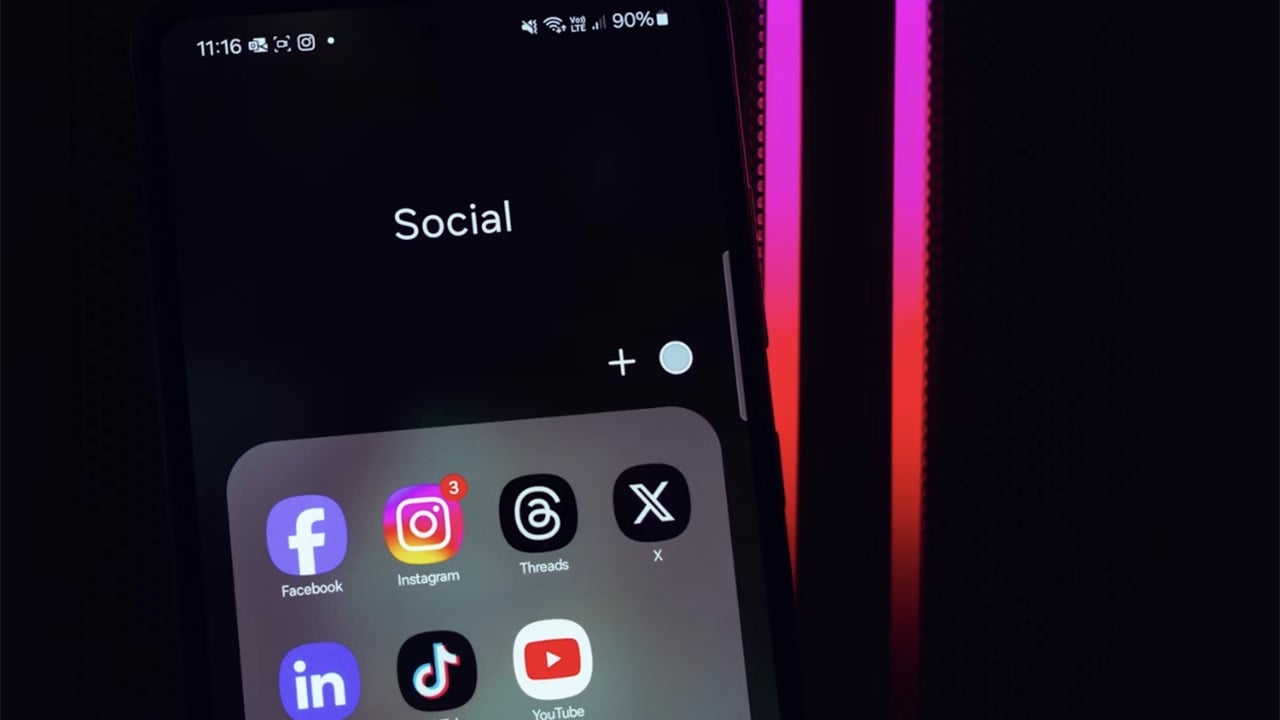
New York’s Milestone Law Regulates Addictive Social Media Feeds for Children
- Written by Shipra Sanganeria Cybersecurity & Tech Writer
- Fact-Checked by
New York became the latest US state to pass a law protecting kids and teens from harmful social media practices. The two bills, signed by Governor Kathy Hochul last week, regulate addictive algorithm feeds on social media platforms and restrict the use of children’s online data.
“Today, we save our children,” Governor Hochul said at a press conference last week. “We have heard their cries for help, reminding us as adults that we have a moral responsibility to protect young New Yorkers from harm and from addictive forces.”
The first bill, Stop Addictive Feeds Exploitation (SAFE) for Kids Act , mandates that social media companies such as TikTok and Instagram refrain from using recommendation algorithms to deliver content to users under 18. Instead, these platforms are required to display content chronologically for this age group. Additionally, the law stipulates that social media platforms must restrict app notifications to minors from 12 AM to 6 AM.
These restrictions can be overridden if a minor secures “verifiable parental consent,” as outlined in the legislation.
The second bill, named the New York Child Data Protection Act , prohibits online platforms from collecting, using, sharing, or selling any personal data of children under the age of 18 without obtaining informed consent, except when such information is essential for the website’s operation.
The SAFE for Kids Act will not take immediate effect because it mandates the state attorney general’s office to establish procedures for verifying a user’s age and obtaining parental consent. Once established, the social media companies will have 180 days to implement the new regulations. The New York Child Data Protection Act is set to take effect in one year.
Violations of these laws could lead to civil penalties of up to $5,000 per violation.
While the new laws were celebrated as a historic measure aimed at curbing social media’s impact on children, legal challenges, particularly from opponents such as tech industry giants and lobbyists, are anticipated to arise.
For instance, Adam Kovacevich, CEO of the tech industry advocacy group Chamber of Progress, said the legislation was “a well-intentioned effort, but it’s aimed at the wrong target.” He warned that the law was likely to “face a constitutional minefield” as it “dictates what speech platforms can and cannot show users.”
