
Photo by Austin Distel on Unsplash
Slack Announces Multiple New AI Features Including Third-Party AI Agents
- Written by Andrea Miliani Former Tech News Expert
- Fact-Checked by Justyn Newman Former Lead Cybersecurity Editor
In a Rush? Here are the Quick Facts!
- Slack’s interface will include AI agents from Salesforce and partner companies like Adobe and Perplexity
- Workers will interact with AI Agents as if they were teammates
- Slack is becoming a “work operating system”
Salesforce, Slack’s parent company, announced new features and updates for the workplace application yesterday. According to the press release , the new AI features will link Slack to Salesforce and other partner companies.
Among the main features, Salesforce highlighted the integration of Agentforce, Salesforce’s AI agent, within the Slack interface allowing teams to interact with the data and insights in Salesforce. Agentforce will be available in beta mode in October.
For now, the company is already allowing third-party AI agents from parent companies like Anthropic, Perplexity, Adobe, and Cohere to be on the platform—users will find the assistants in Slack Marketplace. A new salesforce channel is also available for Slack Sales Elevate users and the Slack integration will be included in Salesforce Starter Suite in the next few months.
The new features will allow workers to interact with AI agents, as if they were teammates, through the Slack platform in multiple ways, centralizing and linking multiple tools to simplify workflow.
“Work is broken. Desk workers report spending 41% of their day on tasks they consider low-value, nearly half aren’t able to find the information they need to do their jobs, and there are more apps and disconnected work than ever before,” states the document. “Simply adding AI, with even more apps, into an already inefficient work system will only magnify these challenges.”
According to TechCrunch , Denise Dresser, head of Slack, told the tech news site in a recent interview that they want to turn the platform into a “work operating system.”
The new AI updates were announced just a few months after Slack faced criticism for the way they have been training its AI algorithms.
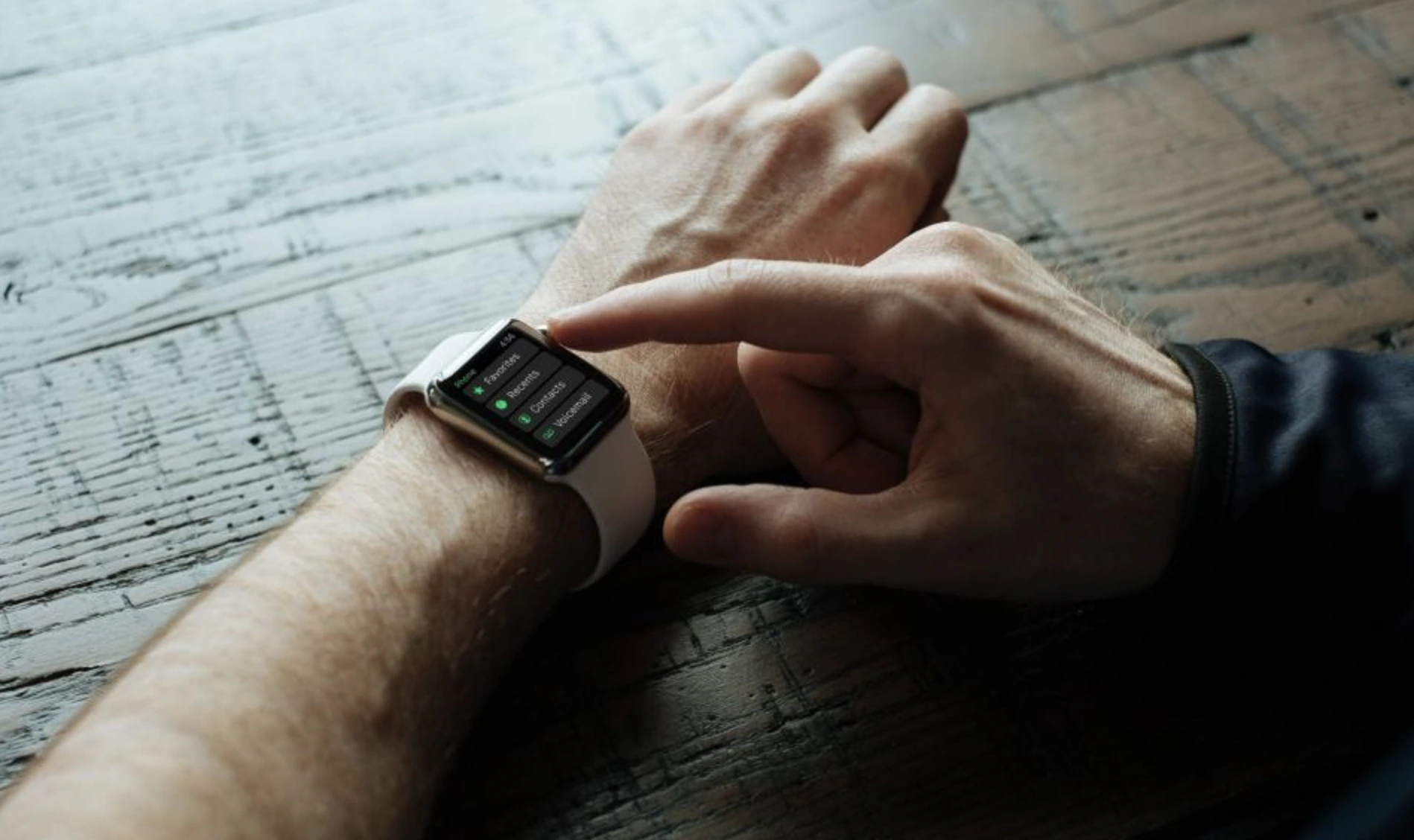
Image by Pexels, from Freerangestock
FDA Approves Apple Watch For Sleep Apnea Risk Assessment
- Written by Kiara Fabbri Former Tech News Writer
- Fact-Checked by Justyn Newman Former Lead Cybersecurity Editor
In a Rush? Here are the Quick Facts!
- FDA Approves Apple Watch Sleep Apnea Detection, available on Watch Series 9 and Ultra 2.
- The feature assesses risk, not diagnoses sleep apnea.
- Uses wrist movements to detect breathing disturbances and alerts users to potential issues.
Apple’s latest sleep apnea detection feature received approval today from the U.S. Food and Drug Administration (FDA) and is now available for users of the Watch Series 9 and Watch Ultra 2, as reported by The Verge .
First announced at Apple’s September 9 “Glowtime” event, the feature couldn’t be rolled out until receiving FDA clearance.
The FDA’s approval notice clarifies that the Apple Watch’s sleep apnea feature is not intended for diagnosis but serves as an over-the-counter device to evaluate users’ risk of developing sleep apnea.
The new feature, called Breathing Disturbances , utilizes the Apple Watch’s accelerometer to detect subtle wrist movements that correspond to disruptions in normal breathing patterns during sleep.
Every 30 days, the watch analyzes this data to assess the risk of moderate to severe sleep apnea and notifies users if consistent symptoms are detected. The goal is to encourage individuals to consult with their healthcare providers for further evaluation and possible diagnosis.
Users can track this metric in the Health app, which also allows for the easy sharing of data with doctors. Apple emphasizes that the algorithm behind the sleep apnea detection was developed using machine learning and a vast dataset of clinical sleep apnea tests.
This development follows Apple’s introduction of a hearing aid feature for AirPods Pro 2 , which also recently received FDA approval .
These advancements highlight Apple’s ongoing efforts to make its wearables viable alternatives to traditional medical devices, targeting health-conscious consumers looking for affordable solutions.
The sleep disorder market could prove lucrative, as CNBC reports. Traditional sleep apnea tests can cost up to $3,000 for in-lab monitoring, while at-home tests range from $189 to several hundred dollars.
Apple’s latest Watch, priced at $399, could offer a less expensive alternative for detecting sleep disturbances.
However, Dr. David Kuhlmann, as reported by CNBC, advises users to approach the Apple Watch’s sleep apnea data with caution due to the potential for inaccuracies.
He notes that insurance companies are unlikely to cover treatments based on data from the Apple Watch. Therefore, it is crucial for patients to consult their healthcare providers for an official diagnosis.
