
Image by Artem Beliaikin, from Unsplash
Signal Users Targeted By New Phishing Attack Exploiting Linked Devices Feature
- Written by Kiara Fabbri Former Tech News Writer
- Fact-Checked by Sarah Frazier Former Content Manager
Cybercriminal groups are stepping up their efforts to infiltrate accounts on Signal, a secure messaging app used by journalists, activists, and others at risk of surveillance.
In a Rush? Here are the Quick Facts!
- Phishing campaigns use fake QR codes to link victims’ accounts to malicious devices.
- Targeted individuals include military personnel, journalists, and activists using secure messaging apps.
- Signal releases updates to protect users from exploitation of the linked devices feature.
These cybercriminal groups are taking advantage of a feature on Signal that allows users to connect the app to multiple devices at once, aiming to gain unauthorized access to conversations without the need to break into the target’s device directly, as first reported by the Google Threat Intelligence Group (GTIG).
Signal, known for its strong encryption, has long been a popular choice for people concerned about privacy, including military personnel, politicians, and journalists. But this also makes it a prime target for cyberattacks.
The article claims that a new wave of attacks is believed to have started due to the ongoing war in Ukraine, where Russia has a clear interest in intercepting sensitive communications.
A key technique being used by these attackers is exploiting Signal’s legitimate “linked devices” feature, which allows users to access their Signal account on more than one device.
Typically, linking a device requires scanning a QR code , but hackers have been creating malicious QR codes that, when scanned, link a victim’s account to an attacker-controlled device.
The researchers explain that once the attacker has linked their device, they can access real-time conversations without being detected.
In some cases, these attackers have crafted fake Signal group invites, security alerts, and even military-specific messages to trick users into scanning the malicious QR codes. They’ve also used phishing pages disguised as applications related to the Ukrainian military.
The low-key nature of this method makes it difficult to detect, and if successful, it can provide long-term access to secure communications.
The researchers say that even more concerning, this approach doesn’t require hackers to fully compromise the victim’s device, which means they can eavesdrop on conversations for extended periods without raising suspicion.
While the attacks have mainly targeted Ukrainian personnel, they have also been used against other individuals of interest to Russia. And while the focus has been on Signal, similar tactics are also being used against other messaging apps, like WhatsApp and Telegram.
GTIG says that Signal has responded by strengthening security features in recent updates, encouraging users to upgrade their app to help defend against these threats.
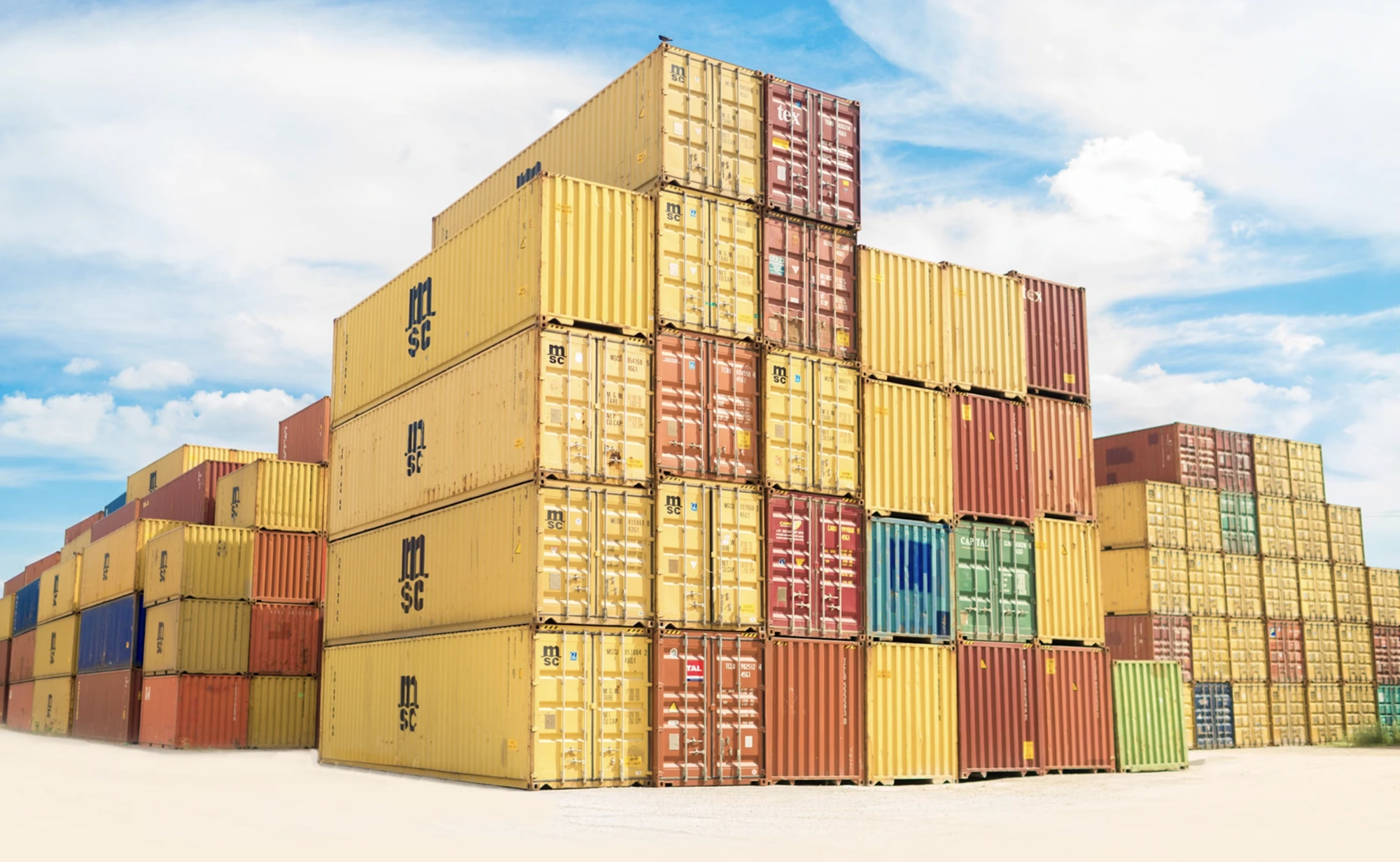
Image by frank mckenna, from Unsplash
Chinese Ports Adopt DeepSeek AI To Enhance Efficiency
- Written by Kiara Fabbri Former Tech News Writer
- Fact-Checked by Sarah Frazier Former Content Manager
China’s ports are increasingly adopting the domestically developed DeepSeek AI model to streamline operations, as first reported by the South China Morning Post (SCMP).
In a Rush? Here are the Quick Facts!
- Ningbo-Zhoushan Port uses DeepSeek AI to speed up container inspections and reduce errors.
- Guangzhou Port integrates DeepSeek AI into billing and equipment management systems.
- Zhoushan Port is testing DeepSeek AI for customer service, cargo handling, and security.
Just weeks after its latest iteration launched in January, several major ports have already integrated or are planning to implement the technology, as reported by SCMP.
Hubei Port Group researcher Yu Jiaxiang emphasized the importance of domestic AI in securing port operations, cargo tracking, and supply chain stability. SCMP reports Yu saying that using domestic technology is vital to ensure data security in port operations, facility layout, and cargo information.
One of the first adopters is Ningbo-Zhoushan Port, the world’s third-largest container port by throughput. The port has begun using DeepSeek AI in its intelligent gate and customer service system.
The new gate technology can recognize over 80% of containers’ unique seal numbers, significantly cutting down on manual verification time, as reported by SCMP.
Container inspections that previously required four staff members can now be conducted by a single worker, according to the port’s owner.
The AI model has also improved fault alert response times, reducing them to within 30 minutes. The DeepSeek-powered gate system has been deployed at multiple terminals, processing around 20,000 twenty-foot equivalent units (TEUs) daily, according to SCMP.
Meanwhile, Zhoushan Port is testing the AI for its 24-hour customer service system, which currently relies on Alibaba’s Tongyi Qianwen model.
SCMP says that the DeepSeek-enhanced system is scheduled for rollout in the first half of the year, with plans to expand its use to cargo handling, gantry cranes, and security operations.
Guangzhou Port, located in Guangdong province, has already implemented DeepSeek AI in its equipment management and billing systems, enabling quicker responses to malfunctions and improving data input accuracy, as noted by SCMP.
Hubei Port Group is also building a logistics management platform powered by AI models, including DeepSeek. The group is exploring AI applications for its new multimodal terminals at Yangluo Port in Wuhan on the Yangtze River, as reported by SCMP.
However, concerns have arisen regarding the security of AI models like DeepSeek. A recent study found significant vulnerabilities in the DeepSeek-R1 model , which could potentially compromise its deployment in critical operations.
The model was susceptible to jailbreak attempts, prompt injection attacks, and the generation of harmful or factually incorrect content. With a risk score of 8.3 out of 10, experts caution organizations to assess security risks thoroughly before integrating AI models.
The rapid adoption of DeepSeek AI in China’s ports comes amid increasing tensions over technological competition between China and the United States. In October, the Biden administration finalized rules restricting U.S. investments in Chinese AI , semiconductor, and quantum technology industries.
These regulations aim to prevent U.S. expertise from aiding China’s advancements in high-tech sectors, particularly those with potential military applications.
At the same time, advancements in robotics continue to shape China’s industrial landscape. The World Robot Conference 2024 in Beijing showcased the growing integration of AI-driven automation in logistics, manufacturing, and customer service industries.
As AI adoption spreads across China’s ports, industry experts highlight the need for comprehensive workforce training. From management to on-site staff, employees must develop AI-related skills to maximize the benefits of automation and data-driven decision-making.
