Samsung Regains Dominance in Global Smartphone Market
- Written by Deep Shikha Content Writer
- Fact-Checked by
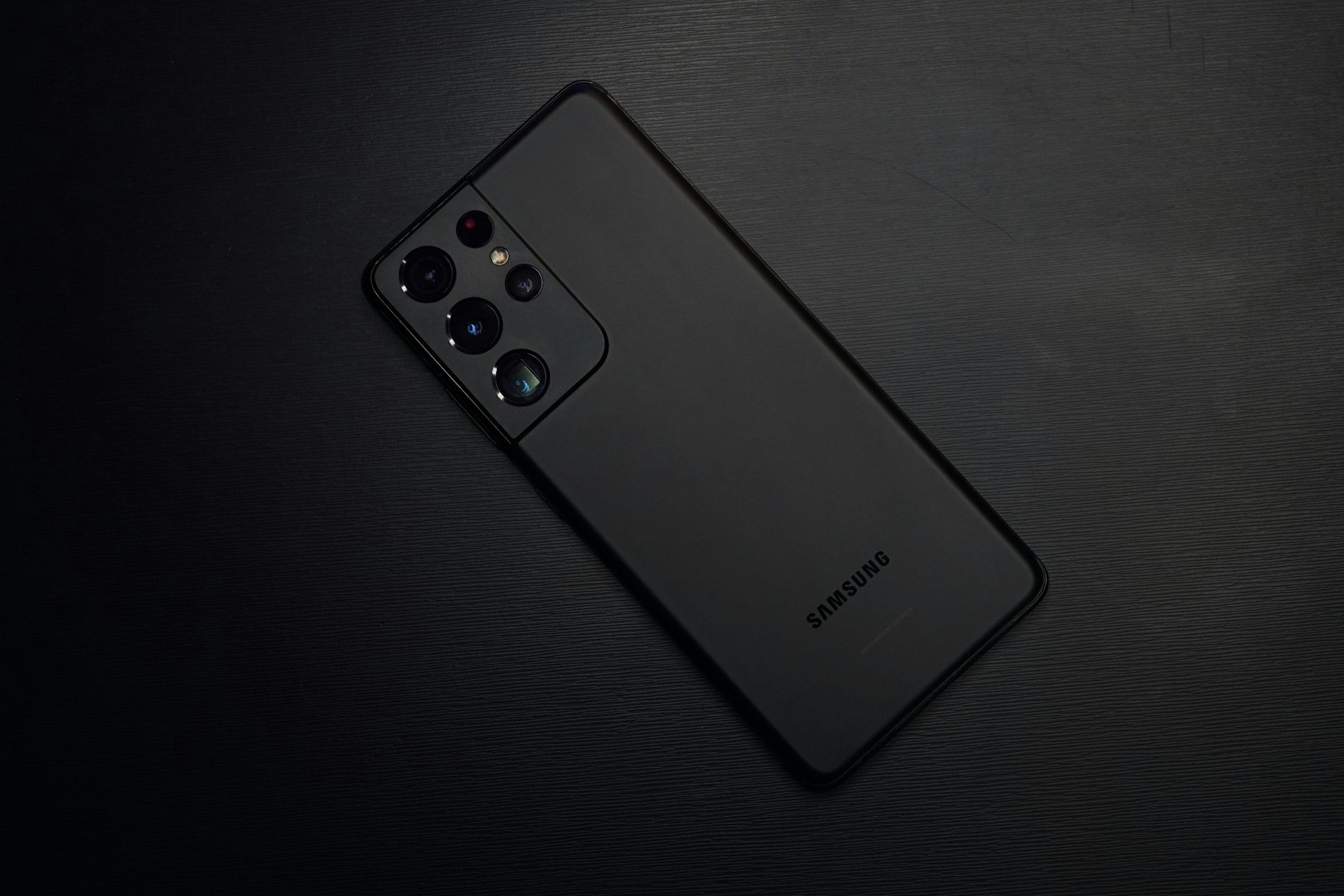
Samsung regained its position as the world’s leading smartphone vendor in the first quarter of 2024 after briefly losing ground to Apple in 2023. According to a report released by the International Data Corporation (IDC) on April 15, Samsung shipped 60.1 million units, securing a substantial 20.8% share of the global market.
According to Engadget , this performance is impressive considering the overall market dynamics, where both Samsung and Apple experienced declining shipment volumes compared to the same quarter last year. Samsung’s shipments saw a minor decline of 0.7%, which pales compared to Apple’s 9.6% drop. Apple shipped 50.1 million units, accounting for 17.3% of the market in the first quarter of 2024.
The top 5 smartphone manufacturers — Samsung, Apple, Xiaomi, Transsion, and OPPO — still dominate the market, as per IDC reports. Transsion has moved to 4th place, ahead of OPPO, with 28.5 million units shipped. Xiaomi also remains competitive, with 40.8 million units shipped.
The IDC highlights a couple of key trends shaping the market: a rise in average selling prices and a strategic shift among the leading brands. Consumers are increasingly opting for higher-end devices. This indicates that consumers are always willing to invest more in smartphones they intend to use for longer periods.
As the market recovers, top manufacturers are also adjusting their strategies accordingly.
Ryan Reith, group vice president with the IDC’s Worldwide Mobility and Consumer Device Trackers, suggested that leaders Samsung and Apple are pushed to innovate as brands like Xiaomi and Huawei grow.
Samsung may release new foldables as early as July, building on its established Galaxy Z Flip and Z Fold models. It is rumored to be developing both a high-end and more affordable version of the Z Fold, as SamMobile and Galaxy Club report.
Meanwhile, Apple’s upcoming iPhones set to release in September are anticipated to feature modest hardware upgrades but significant AI-driven software enhancements, according to Bloomberg . This hints at Apple’s effort to remain competitive with Android devices that continue to innovate with new foldable technologies and AI capabilities.
Samsung’s comeback clearly points to its strong market position and the ability to adapt and succeed even in tough conditions. Nabila Popal, IDC’s research director, mentioned, “Samsung is in a stronger position overall than in recent quarters,” suggesting that Samsung might adopt a more aggressive market strategy. Changes among the top 5 manufacturers indicate continuous adjustments, leading to constantly changing competition in the smartphone market.
Epic Games Wants Google Play Store Reforms After Antitrust Win
- Written by Shipra Sanganeria Cybersecurity & Tech Writer
Epic Games has filed a proposed injunction that would allow greater competition on Google’s Play Store after proving Google’s illegal monopolistic practices in the Android app distribution markets.
In the 16-page injunction submitted on April 11 , the Fortnite video game makers are advocating for third-party app stores and billing systems to be placed on equal footing with Google Play and Google Play Billing.
Epic’s proposal seeks to limit Google’s control over the Android app ecosystem by giving users and mobile developers more freedom in distributing, downloading, and making in-app purchases. The proposal not only restricts Google’s agreements with device makers regarding pre-loading from third-party app stores but also allows free entry to third-party app stores into Google Play for six years.
Epic’s proposal wants Google to open the Android ecosystem to all developers, irrespective of their association with its Play Store. The proposal wants downloading of third-party store apps to be seamless and identical to apps downloaded from Google Play.
Additionally, it wants developers to have the freedom to use billing methods other than Google Play Billing.
“Google must also allow developers to communicate directly with their consumers, including linking from their app to a website to make purchases and get deals,” Epic said in a blog post .
Defending its stance, Google’s Vice President of Government Affairs, Wilson White, said that the trial “made clear that we compete fiercely with Apple and its App Store, as well as app stores on Android devices and gaming consoles.”
US District Court Judge James Donato, who presided over the December antitrust lawsuit, will decide the fate of Epic’s proposed injunction on 23 May. Google has until 3 May to respond to Epic’s filing.
According to Reuters, Judge Donato is not bound to accept Epic’s proposal, leading to a long-drawn-out battle before any permanent order on this injunction is issued.
After losing to Epic, Google, in December 2023, agreed to pay $700 million to US states and consumers in an antitrust settlement against its Play Store monopolistic practices. Its close rival, Apple, seems not to lag far behind in the realm of antitrust litigation. In March 2024, an antitrust lawsuit was filed against Apple ’s smartphone monopolistic practices by the US Department of Justice (DOJ).
