
Photo by Christian Wiediger on Unsplash
Russia Fines Google Over YouTube Content on Military Surrender
- Written by Andrea Miliani Former Tech News Expert
- Fact-Checked by Justyn Newman Former Lead Cybersecurity Editor
Russia has fined Alphabet, YouTube’s parent company, for showing videos on its platform with instructions for Russian soldiers on how to surrender. The Russian court is requesting 3.8 million roubles—around $41,530—as a penalty.
In a Rush? Here are the Quick Facts!
- The Russian government accused YouTube of sharing videos with guidance for the Russian military to surrender.
- A Russian court fined Alphabet 3.8 million roubles—around $41,530—as a penalty.
- Russia has previously accused digital platforms of sharing “fakes” or illegal content and has issued multiple fines.
Russia’s TASS news agency reported this Monday that Russian authorities claimed that the material shared on YouTube provided guidance to Russian military members on the process of surrendering during the ongoing conflict in Ukraine.
According to Reuters , many believe that Russia has been deliberately disrupting YouTube videos by slowing down speeds to prevent users from watching certain content. However, the Russian government has denied any involvement.
In the past few years, Russia has banned and blocked several platforms to prevent citizens from accessing certain content. A few months ago, WhatsApp and Telegram experienced outages and Russian authorities said these were caused by cyberattacks. However, a few experts claim these are just strategies to tighten internet censorship.
Russia has also previously requested social media platforms to remove content that they consider “fakes” or illegal and has issued fines for those companies that have not complied.
The details of the videos suggesting or instructing soldiers to surrender have not been provided. And Google hasn’t commented on this matter or shared any public statement yet.
In December, Russia announced a new ban on cryptocurrency mining due to rising energy demands. Despite legalizing crypto mining in August, the Cabinet of Ministers decided to approve the ban in 10 regions of the country from January 1 until March 15, 2031, considering the electricity shortages in those areas.
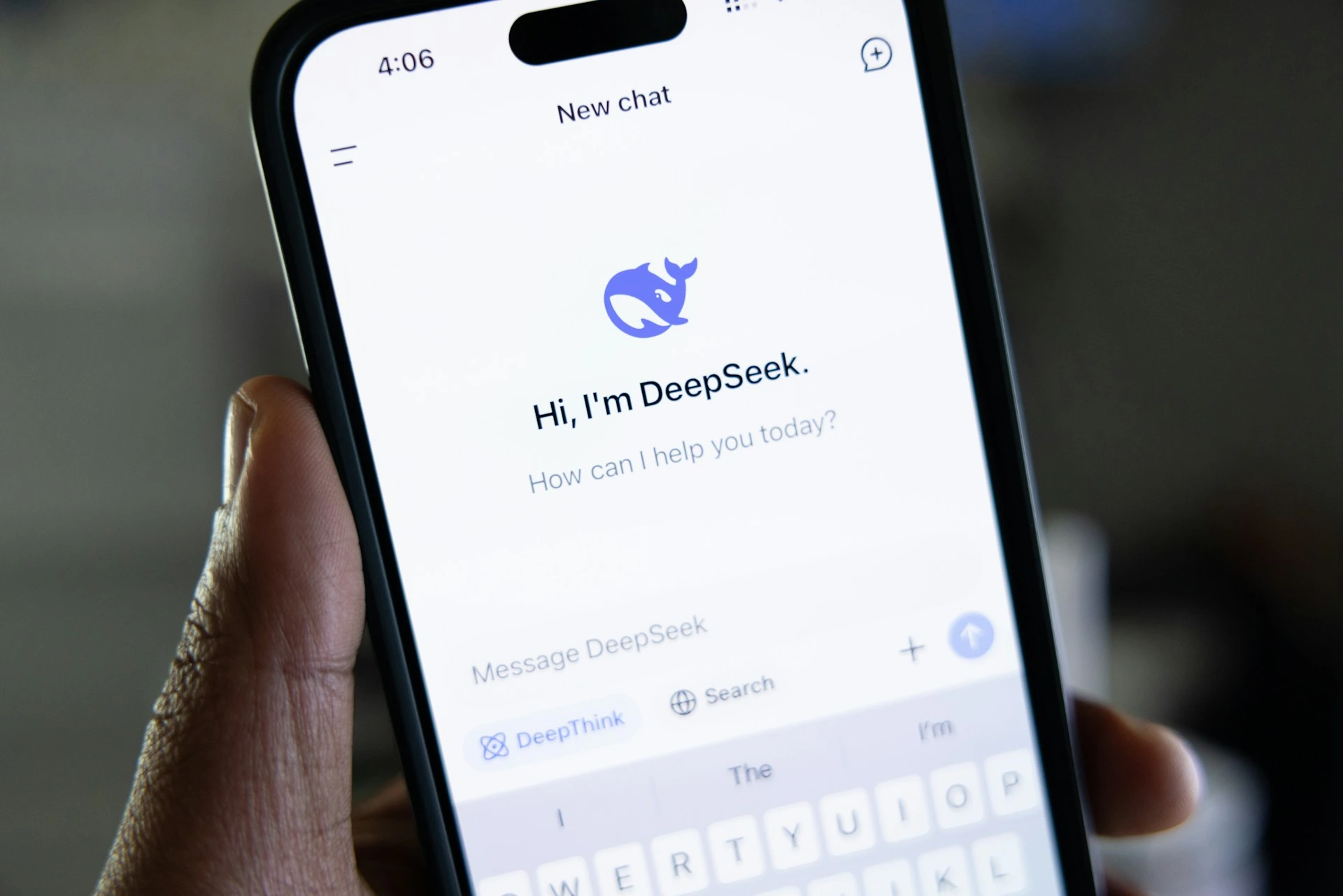
Photo by Solen Feyissa on Unsplash
South Korea Blocks DeepSeek Downloads Over Privacy Concerns
- Written by Andrea Miliani Former Tech News Expert
- Fact-Checked by Justyn Newman Former Lead Cybersecurity Editor
South Korean authorities have temporarily blocked app downloads for the Chinese AI model DeepSeek due to privacy concerns.
In a Rush? Here are the Quick Facts!
- South Korean authorities removed DeepSeek’s app from Google Play and the App Store on Saturday due to security concerns.
- South Korea’s Personal Information Protection Commission explained that the Chinese model did not comply with local personal data protection rules.
- DeepSeek agreed to make the necessary adjustments.
According to the Associated Press , South Korea’s Personal Information Protection Commission said that the app was removed from Google Play and the App Store on Saturday, preventing users from installing the popular Chinese model on their devices due to non-compliance with personal data protection rules.
The agency said DeepSeek has already agreed to work with Korean authorities to adjust its protection measures accordingly.
A few days ago, South Korea’s National Intelligence Service (NIS) accused the Chinese company of “excessively” collecting user’s data and urged local institutions to take action, as they seem to be doing now.
The new restriction for downloads does not affect users who had previously downloaded DeepSeek’s app. However, the director of the South Korean Commission’s investigation division Nam Seok recommended South Korean users delete the app if they had already installed it or avoid entering personal information when interacting with the AI tool.
Many government agencies, companies, and other institutions in the country have already blocked DeepSeek and restricted employees from using the AI model.
According to Reuters , there is no specific date on when South Korean authorities will resume the app download, but the Personal Information Protection Commission (PIPC) said—in a media briefing—that they expect to do so as soon as DeekSeek complies with the local privacy laws.
Representatives from the Chinese company traveled to South Korea last week to meet with local authorities and acknowledged neglecting aspects of their data protection law.
A few days ago, Italy also blocked DeepSeek ’s chatbot over unresolved privacy concerns, and a recent study revealed that the DeepSeek-R1 model had significant security risks, failing 91% of jailbreak tests, bypassing safety mechanisms, and being vulnerable to prompt injection.
