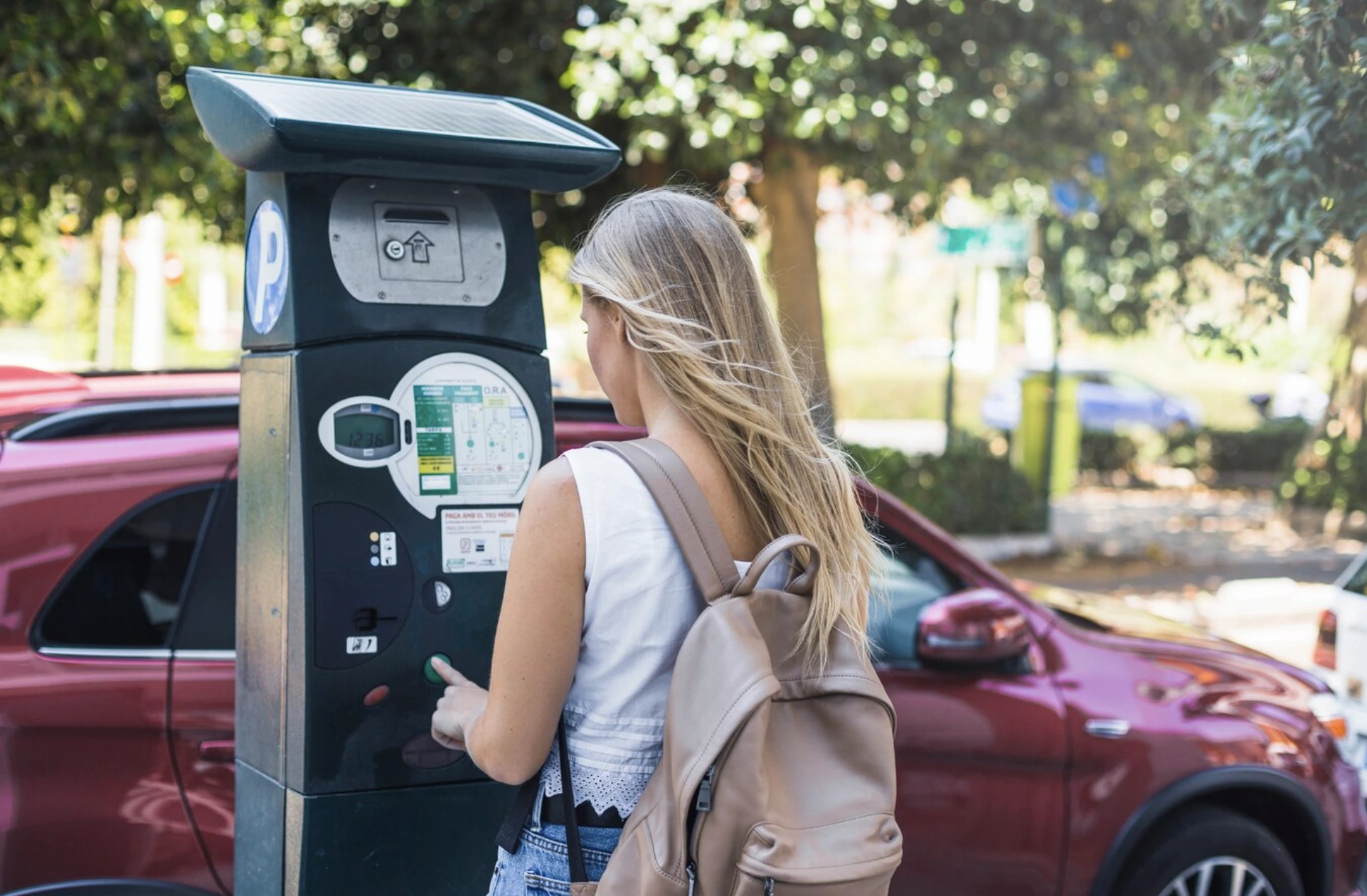
Image by Freepik
Rising QR Code Scams On Parking Meters
- Written by Kiara Fabbri Former Tech News Writer
- Fact-Checked by Sarah Frazier Former Content Manager
Scammers use fake QR codes on parking meters, stealing over $2.3 million from unsuspecting motorists.
In a Rush? Here are the Quick Facts!
- Over 750 QR code scam cases reported in Florida since January 2024.
- Scammers place fake QR codes over legitimate ones on parking meters.
- Miami, Fort Lauderdale, Orlando, and Tampa are hotspots for these scams.
A new wave of scams in Florida is targeting motorists through fake QR codes, combining modern technology with traditional fraud to steal financial and personal information, as reported today by News Break .
Known as the “ Park-and-Pay ” scam, the scheme involves counterfeit QR codes placed on parking meters and pay-to-park signs, tricking drivers into visiting fraudulent websites that mimic official payment portals, reported News Break.
Since January 2024, over 750 cases have been reported across the state, with financial losses surpassing $2.3 million, according to the Florida Department of Law Enforcement (FDLE). Victims lose an average of $3,100 each, with incidents concentrated in Miami, Fort Lauderdale, Orlando, and Tampa, as reported by News Break.
Scammers execute the fraud by covering legitimate QR codes with fake ones. When drivers scan the codes, they are redirected to convincing but counterfeit websites, said News Break.
Believing they are paying for parking, victims unknowingly share their credit card details, giving criminals direct access to their accounts. In some instances, the sites also install malware, compromising victims’ personal data further, as reported by News Break.
QR codes, widely used for their convenience in accessing websites and payment platforms, have become a tool for sophisticated cybercriminals.
The risks of falling for such scams extend beyond financial loss. Stolen data may be used for unauthorized purchases or identity theft, and malware can further compromise devices, allowing scammers to extract additional information, noted News Break.
Florida’s status as a tourist hub, with heavy foot traffic and frequent use of digital parking systems, makes it an ideal target for this type of crime. Authorities are urging vigilance to prevent further losses, noted News Break.
Drivers are advised to closely inspect QR codes for signs of tampering, such as stickers placed over original codes, and to verify website addresses before entering any information. Using official parking apps, downloaded directly from trusted sources, can help reduce the risk of fraud, said News Break.
Regular monitoring of financial statements is also recommended to catch any unauthorized transactions promptly. Law enforcement encourages anyone encountering suspicious QR codes or suspecting they have been scammed to report the incident, as reported by News Break.
In recent news, Swiss authorities warn of fraudulent MeteoSwiss letters containing malware-laden QR codes , targeting e-banking data. These scams also exploit QR codes’ convenience to steal personal information and spread malware.
Awareness and caution are vital as scammers continue to adapt their tactics.

Image by pikisuperstar, from Freepik
AI Poetry Preferred Over Human Poems In New Study
- Written by Kiara Fabbri Former Tech News Writer
- Fact-Checked by Sarah Frazier Former Content Manager
Research shows people often prefer AI-generated poems, misidentifying them as human-written due to clarity and accessibility.
In a Rush? Here are the Quick Facts!
- AI poems are often judged more “human-like” than works by actual poets.
- Human poems are less accessible, often using complex metaphors and layered meanings.
- Readers misinterpret their preference for AI poems as evidence of human authorship.
Recent research reveals a surprising trend in poetry: people can no longer reliably distinguish between AI-generated poetry and works by renowned human poets.
The study also highlights a preference for AI poetry over human-authored poems. Participants consistently rated AI poems higher across various metrics, including emotional resonance, clarity, and thematic communication.
This preference helps explain why many believe AI poems to be human-written; participants assume they are more likely to enjoy human-authored works and misattribute their enjoyment of AI poetry to human creativity.
The key factor driving this preference seems to be accessibility. AI-generated poems are straightforward, with clear themes and emotions that resonate with non-expert readers.
For example, an AI-generated poem styled after Sylvia Plath conveys sadness plainly, while another emulating Walt Whitman celebrates the beauty of nature.
In contrast, human poems often feature complex metaphors and require in-depth analysis. For instance, T.S. Eliot’s The Boston Evening Transcript critiques a bygone newspaper using layered comparisons and historical references, which may be challenging for casual readers to unpack.
This simplicity makes AI-generated poems easier to appreciate, particularly for readers without the time or inclination for deeper analysis.
However, this ease of interpretation might come at the expense of the depth and ambiguity that many value in human poetry. While AI poems effectively communicate moods and themes, they lack the intricate layers that often define human creativity.
The findings underscore how readers’ expectations shape their perceptions. Many participants underestimated AI’s ability to create poetry they would enjoy, leading to misjudgments about authorship.
The results also raise questions about how society will adapt to increasingly advanced AI systems. For instance, previous AI models like GPT-2 produced distinguishable poetry, but newer models, such as ChatGPT-3.5, have blurred these lines.
The author notes that the findings are specific to the latest generative language models and reflect current beliefs and biases about AI-generated texts.
As newer models emerge and AI-generated content becomes more widespread, perceptions of what “sounds human” in poetry or other texts are likely to evolve. Expectations about the qualitative differences between AI-generated and human-authored text may also shift over time.
As AI continues to evolve, the authors note that there is a growing need for transparency in AI-generated content. Governments in the U.S. and EU have proposed disclosure regulations for AI-generated works, but studies suggest users often overlook such labels.
Finding effective ways to inform readers about AI involvement remains an urgent challenge in the face of rapid technological advances.
