Image by Tima Miroshnichenko, from Pexels
Researchers Reveal AI Can See Your Screen Through HDMI Cable Leaks
- Written by Kiara Fabbri Former Tech News Writer
- Fact-Checked by Justyn Newman Former Lead Cybersecurity Editor
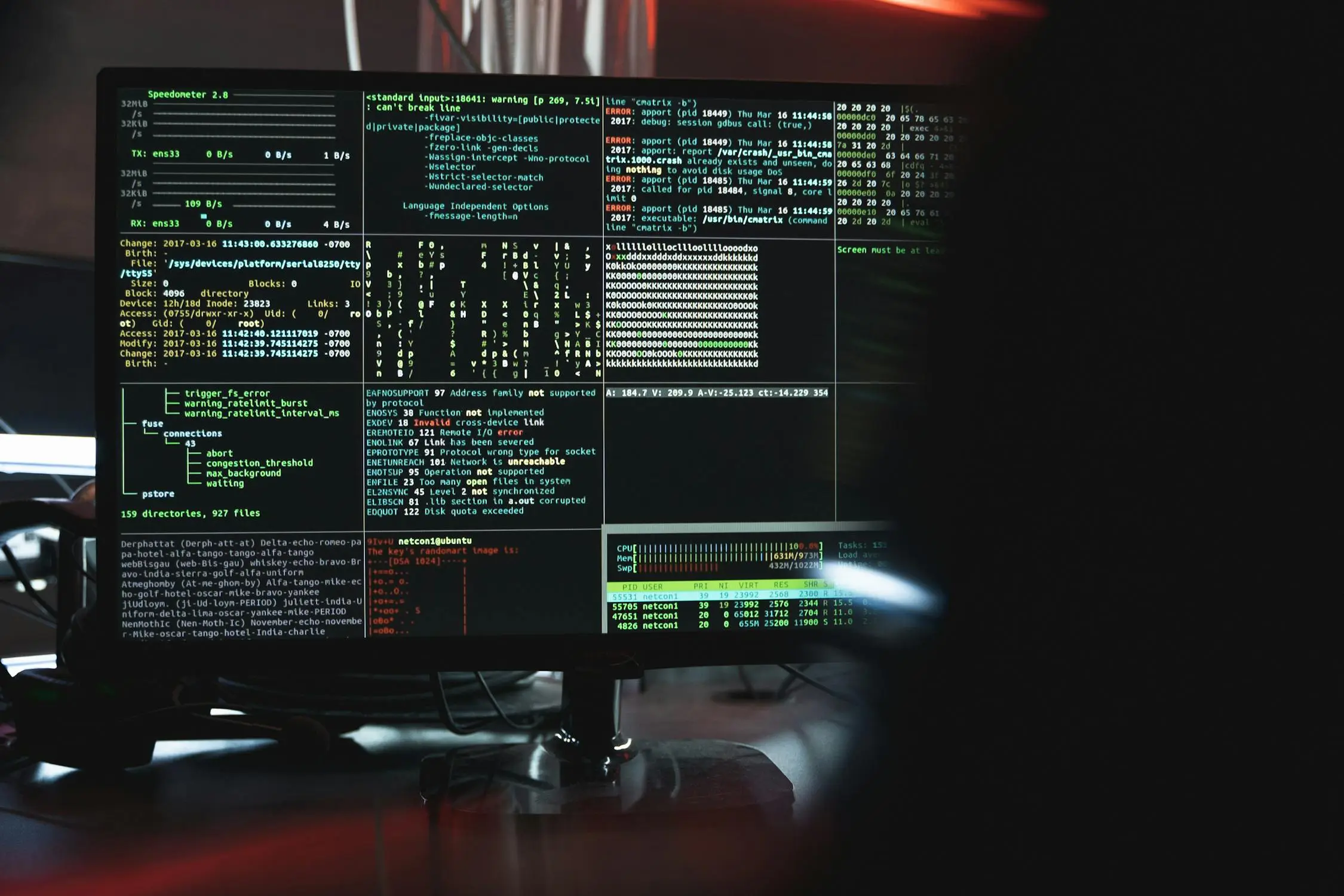
A new study reveals that hackers could potentially intercept electromagnetic radiation from HDMI cables to decode screen content using artificial intelligence. One of the researchers points out in an interview with New Scientist that this form of eavesdropping is primarily a threat to high-security environments rather than ordinary users.
The connection between computers and screens was once entirely analog, but today it is mostly digital, transmitting data in binary through high-definition multimedia interface (HDMI) cables. Whenever a signal travels through a wire, some electromagnetic radiation leaks out, and with analog signals, hackers could relatively easily intercept this leak, the study explains.
Attacks exploiting this phenomenon are known as TEMPEST in the research report. Although digital signals are more complex and carry more data, making them harder to decode, they can still be intercepted.
Federico Larroca and his team at the Universidad de la República Uruguay pinpointed this vulnerability by developing an AI model capable of reconstructing these intercepted digital signals from a few meters away.
They evaluated the model’s performance by comparing the text captured from the reconstructed image to the original screen image. The AI achieved an error rate of around 30 percent, meaning that most of the text could be accurately read despite some characters being misinterpreted.
Hackers could use this technique to spy on sensitive information like passwords and bank details displayed on a screen. They can do this by intercepting signals with remote antennas or hidden devices.
Larroca told New Scientist, “Governments are worried about this, [but] I wouldn’t say that the normal user should be too concerned,[…] But if you really care about your security, whatever your reasons are, this could be a problem.”
To mitigate these risks, the researchers propose two countermeasures that can be implemented by modifying the displayed image in a way that is almost imperceptible to the user but disrupts the AI’s ability to decode the intercepted signals. One method involves adding low-level noise to the image, which acts as an adversarial attack on the neural network, making the resulting text largely illegible. Another approach is to use a color gradient on the image’s background, such as a white-to-black ramp, which significantly alters the intercepted signal.
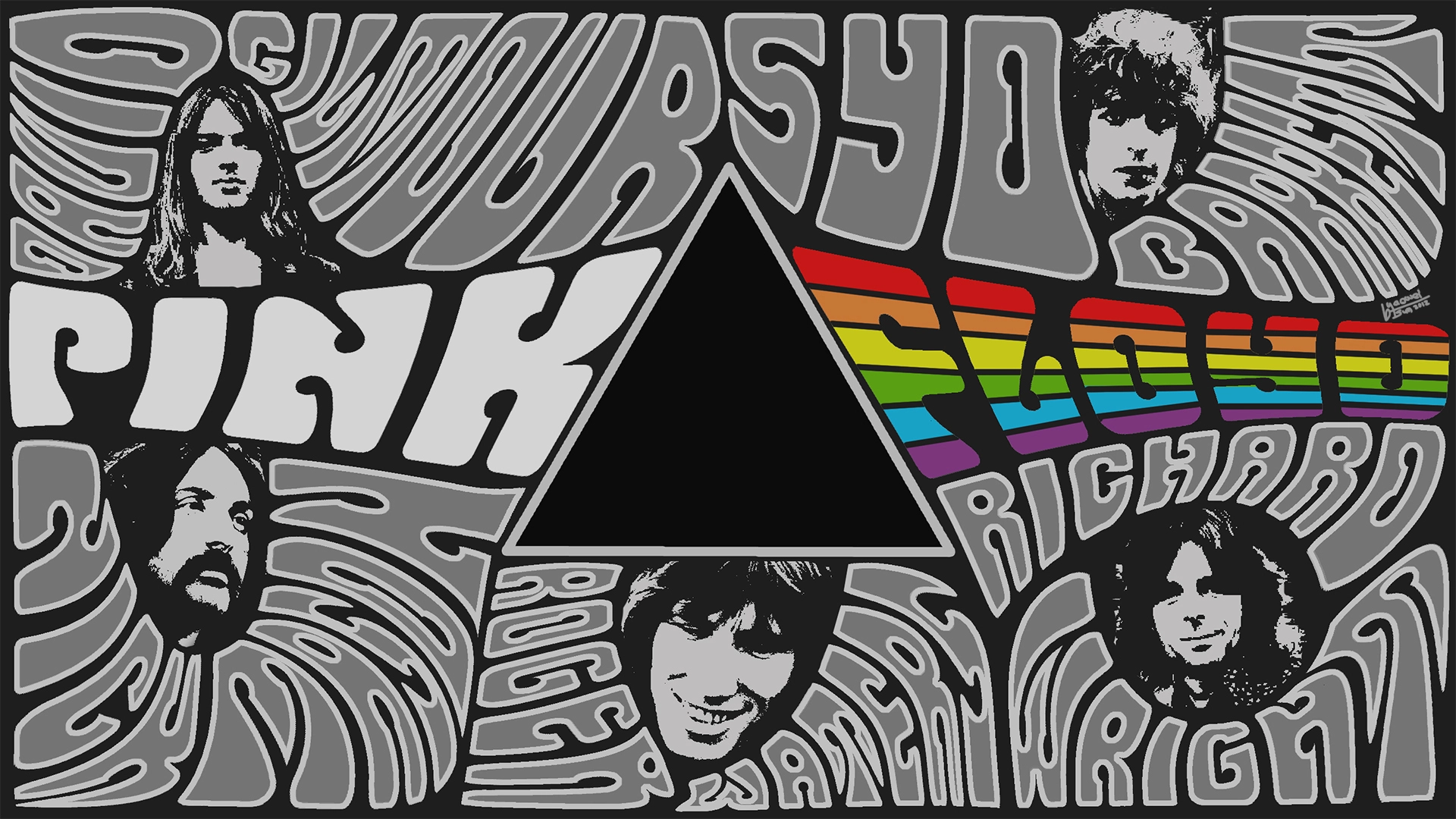
Image by Ghost4luck, from Goodfon
Nick Mason Proposes AI-Driven Pink Floyd Revival
- Written by Kiara Fabbri Former Tech News Writer
- Fact-Checked by Justyn Newman Former Lead Cybersecurity Editor
Pink Floyd drummer Nick Mason is proposing an unconventional solution to the decades-long feud between bandmates David Gilmour and Roger Waters. In a recent interview with Mirror , Mason suggested that AI could be used to create new Pink Floyd music as if Waters had never left the band in 1985.
Mason’s interest in AI stems from its ability to simulate and create music that mimics the style of artists. He said, “It would be fascinating to see what AI could do with new music. If you tried to run it as a sort of ‘Where did Pink Floyd go after?’ […] The thing to do would be to have an AI situation where David and Roger become friends again.”
The suggestion comes amidst a broader conversation about the role of AI in the music industry. The use of AI in music has grown significantly in recent years, with artists like Ghostwriter gaining attention for mimicking popular musicians like Drake and The Weeknd. AI technology has advanced to the point where it can correct vocal pitch, mix and master recordings, and even suggest musical loops to overcome writer’s block. Streaming platforms like Spotify and Apple Music have relied on AI algorithms to recommend songs based on users’ listening habits for years already.
However, the rise of AI in music creation has sparked debate. Supporters argue that AI democratizes music production , allowing anyone to create music from their bedroom. Critics, on the other hand, worry about the ethical implications of AI replicating an artist’s voice or style without permission.
Edward Newton-Rex, the former vice president of audio at Stability AI, resigned over concerns that AI-generated content could compete with original works and put musicians out of jobs. “Companies worth billions of dollars are, without permission, training generative AI models on creators’ works, which are then being used to create new content that in many cases can compete with the original works,” Newton-Rex wrote on X .
Nick Mason’s idea of using AI to recreate Pink Floyd’s sound is a fascinating concept that highlights the rapid pace of technological advancement. While it’s a long shot that AI could truly replace human creativity and camaraderie, the proposal does spark a wider discussion about the potential and pitfalls of this technology in the music industry.
