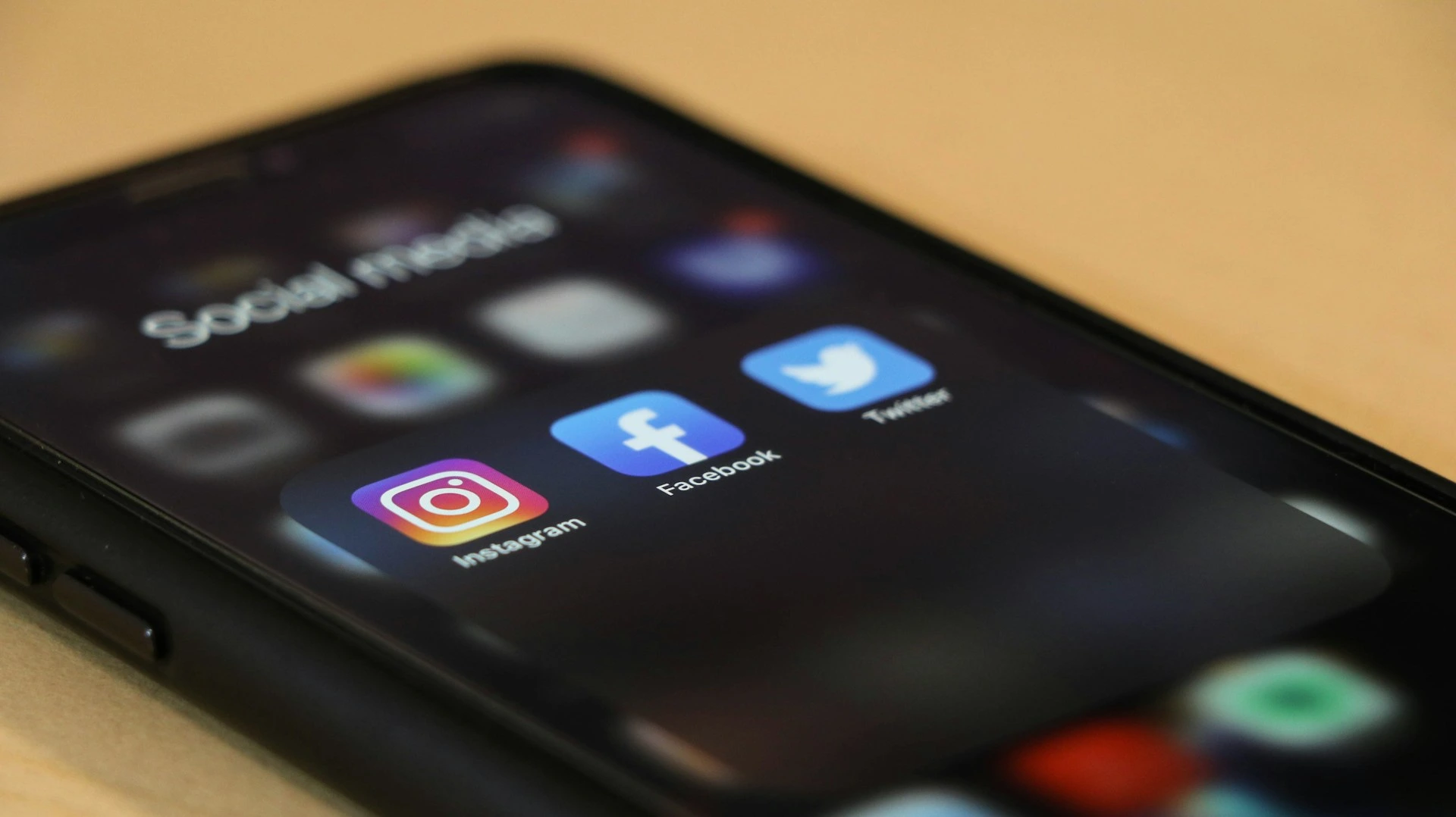
Photo by dole777 on Unsplash
Report Reveals Australian Children Easily Bypass Social Media Age Restrictions
- Written by Andrea Miliani Former Tech News Expert
- Fact-Checked by Sarah Frazier Former Content Manager
The Australian online safety regulator ESafety shared a report this Thursday revealing that children can easily bypass the age verification systems imposed by social media platforms.
In a Rush? Here are the Quick Facts!
- ESafety’s report revealed that children can easily bypass the age-verification systems used by most social media platforms.
- 80% of children aged 8 to 15 used at least one social media platform in 2024.
- The study considered the most popular social media platforms and suggested that the number of children using these services is higher than reported by the companies.
Australia approved a social media ban for children under the age of 16 in November 2024, led by Prime Minister Anthony Albanese, forcing tech companies to comply or pay fines of up to $32 million. The ban will take effect by the end of this year, and, since January, social media channels have been in a trial period.
The new report revealed that most platforms relied only on a self-declaration that can be quickly faked and dismissed by children.
Researchers interviewed young Austrians across the country, aged from 8 to 15, in 2024, and 80% used one or more social media services, and are likely to continue doing so.
The watchdog considered 8 of the most popular platforms for the research: Facebook, Instagram, TikTok, Snap, Twitch, Discord, Reddit, and also YouTube, the only platform approved to show content to children.
Most platforms included simple age requirements to create new accounts—except Reddit—and self-declarations. The report suggests that number of young users reported by the social media companies could be even higher.
ESafety said they are in discussions with stakeholders over the next steps to develop more efficient age verification systems. “This report shows that there will be a tremendous amount of work to be done between now and December,” said Inman Grant.
Australia’s decision to ban social media channels has sparked debate and concerns across the world. While the government suggested to be working on age-verification systems, the companies providing social media services will be the ones responsible for infringing the law.
Image by Artem Beliaikin, from Unsplash
Signal Users Targeted By New Phishing Attack Exploiting Linked Devices Feature
- Written by Kiara Fabbri Former Tech News Writer
- Fact-Checked by Sarah Frazier Former Content Manager
Cybercriminal groups are stepping up their efforts to infiltrate accounts on Signal, a secure messaging app used by journalists, activists, and others at risk of surveillance.
In a Rush? Here are the Quick Facts!
- Phishing campaigns use fake QR codes to link victims’ accounts to malicious devices.
- Targeted individuals include military personnel, journalists, and activists using secure messaging apps.
- Signal releases updates to protect users from exploitation of the linked devices feature.
These cybercriminal groups are taking advantage of a feature on Signal that allows users to connect the app to multiple devices at once, aiming to gain unauthorized access to conversations without the need to break into the target’s device directly, as first reported by the Google Threat Intelligence Group (GTIG).
Signal, known for its strong encryption, has long been a popular choice for people concerned about privacy, including military personnel, politicians, and journalists. But this also makes it a prime target for cyberattacks.
The article claims that a new wave of attacks is believed to have started due to the ongoing war in Ukraine, where Russia has a clear interest in intercepting sensitive communications.
A key technique being used by these attackers is exploiting Signal’s legitimate “linked devices” feature, which allows users to access their Signal account on more than one device.
Typically, linking a device requires scanning a QR code , but hackers have been creating malicious QR codes that, when scanned, link a victim’s account to an attacker-controlled device.
The researchers explain that once the attacker has linked their device, they can access real-time conversations without being detected.
In some cases, these attackers have crafted fake Signal group invites, security alerts, and even military-specific messages to trick users into scanning the malicious QR codes. They’ve also used phishing pages disguised as applications related to the Ukrainian military.
The low-key nature of this method makes it difficult to detect, and if successful, it can provide long-term access to secure communications.
The researchers say that even more concerning, this approach doesn’t require hackers to fully compromise the victim’s device, which means they can eavesdrop on conversations for extended periods without raising suspicion.
While the attacks have mainly targeted Ukrainian personnel, they have also been used against other individuals of interest to Russia. And while the focus has been on Signal, similar tactics are also being used against other messaging apps, like WhatsApp and Telegram.
GTIG says that Signal has responded by strengthening security features in recent updates, encouraging users to upgrade their app to help defend against these threats.
