
Image by Getty Images, from Unsplash
Ransomware Attack Exposes Data Of Over 400,000 At American Addiction Centers
- Written by Kiara Fabbri Former Tech News Writer
- Fact-Checked by Justyn Newman Former Lead Cybersecurity Editor
A ransomware attack on American Addiction Centers (AAC) in September exposed the sensitive information of over 400,000 individuals, as reported by The Record .
In a Rush? Here are the Quick Facts!
- Over 400,000 individuals’ data was exposed in a ransomware attack on AAC.
- Sensitive data, including Social Security numbers and health insurance details, was compromised.
- Rhysida ransomware gang claimed responsibility for the attack.
The Record reported that the breach impacted 422,424 people, compromising data such as Social Security numbers, addresses, phone numbers, and health insurance details. Payment card information and treatment records were not included.
The healthcare provider, which operates addiction rehab facilities across eight states, started sending breach notification letters before the holiday season.
AAC filed breach notices in Texas and California, where more than 26,000 individuals were affected. The incident came to light on September 26, when AAC discovered it was facing a cybersecurity breach. An investigation revealed that hackers accessed and stole data between September 23 and 26, as reported by The Record.
The Record reports that although the company has not confirmed the attack’s nature, the Rhysida ransomware gang claimed responsibility on November 16. Rhysida is notorious for targeting U.S. healthcare networks , including a children’s hospital in Chicago and a large hospital network last year.
The Record notes that Rhysida’s ransomware-as-a-service operations have caused extensive damage throughout 2024. High-profile incidents include attacks on Seattle and Columbus, Ohio, causing widespread disruptions, and an attempted $1.3 million extortion from nonprofit Easterseals in October.
AAC has yet to comment on the breach or the alleged ransomware attack. Law enforcement and cybersecurity experts are working to address the incident, said The Record.
The attack highlights the escalating threat ransomware poses to the healthcare sector, which faces both operational and reputational risks. Recently, several healthcare providers have been targeted in cybersecurity incidents.
Healthcare organizations are prime targets due to weak security and the highly valuable data they store. Leaked information can be exploited for health identity fraud, enabling attackers to access prescription medications, as noted by Cyber News .
For example, in October, over 100 million Americans’ healthcare records were stolen in a ransomware attack on Change Healthcare. Around the same time, India’s largest health insurer , Star Health, was targeted, resulting in a data leak and a $68,000 ransom demand.
Earlier this year, 23andMe, a popular genetic testing service , alerted customers of a breach where hackers used credential stuffing to steal sensitive data, including genotype and health reports.
In November, the WHO issued a warning about the surge in ransomware attacks on healthcare systems, emphasizing that these attacks are not just security breaches, but life-or-death risks . The increasing frequency of such incidents costs the industry billions annually, underscoring the need for global cooperation to improve cybersecurity
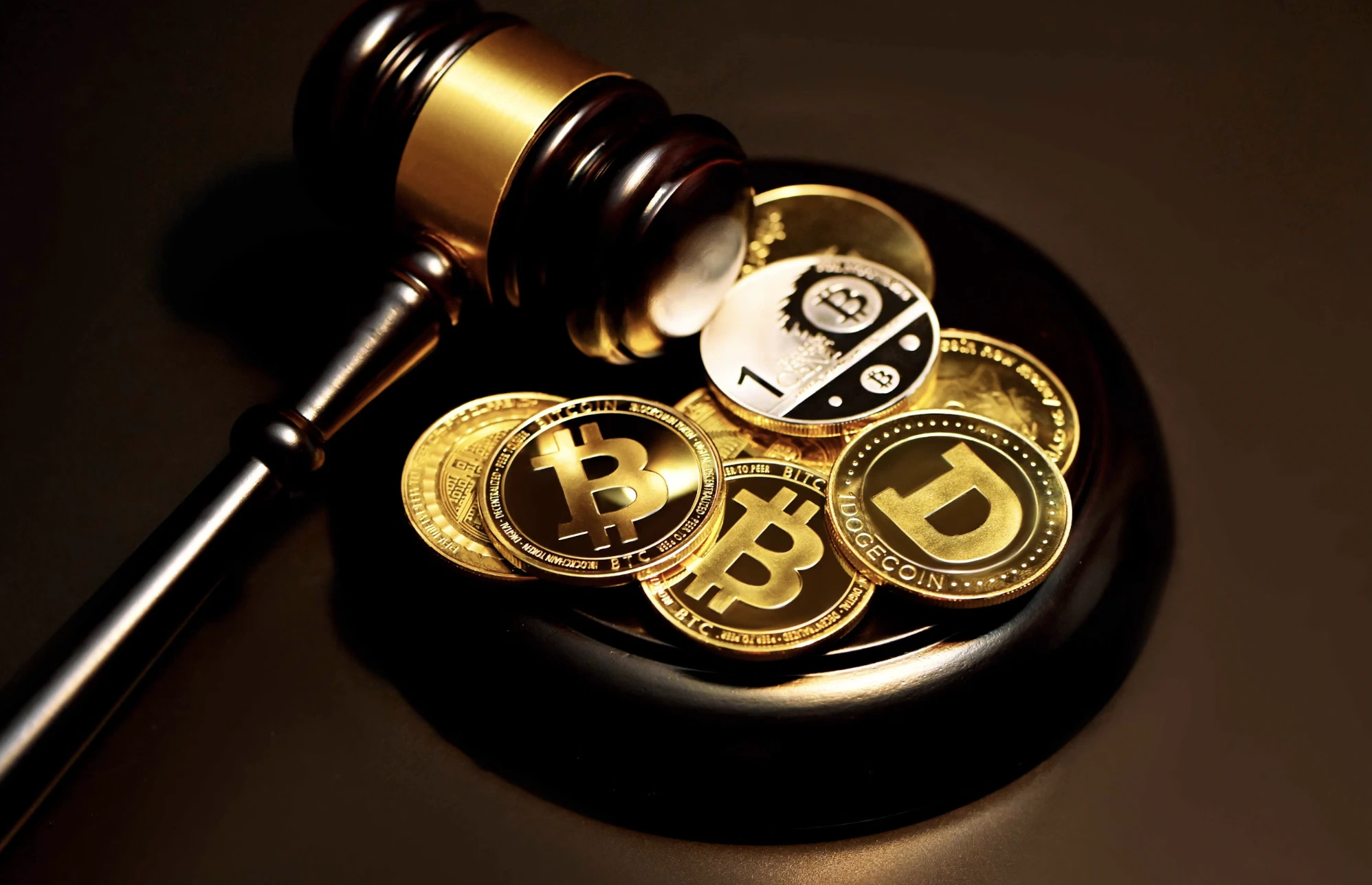
Image by Kanchanara, from Unsplash
Russia to Ban Crypto Mining In 10 Regions Citing Energy Concerns
- Written by Kiara Fabbri Former Tech News Writer
- Fact-Checked by Justyn Newman Former Lead Cybersecurity Editor
Russia will ban cryptocurrency mining in 10 regions starting January 1, 2025, to address rising energy demands.
In a Rush? Here are the Quick Facts!
- Power generation declined in 2022 due to export sanctions, while industrial electricity consumption surged in 2023.
- Subsidized electricity regions like Irkutsk attract miners, straining grids during winter peaks.
- Despite domestic restrictions, Russia is expanding Bitcoin use in international trade to bypass Western sanctions.
The ban, approved by the Cabinet of Ministers, will remain in effect until March 15, 2031, targeting areas with severe electricity shortages, as first reported by a local news outlet (TASS).
Regions affected include Dagestan, Ingushetia, Karachay-Cherkessia, Kabardino-Balkaria, Chechnya, North Ossetia, and the Zaporizhzhia and Kherson regions, along with the Donetsk and Lugansk People’s Republics. Participation in mining pools will also be restricted in these areas.
Additionally, mining operations in parts of the Irkutsk Region, Buryatia, and Zabaykalsky Krai will face temporary closures due to high energy consumption.
Despite President Vladimir Putin signing a bill in August to legalize crypto mining, the Cabinet of Ministers prioritized the restrictions to ensure energy stability during winter, as noted by The Crypto Times . The government justifies the move as a step toward balancing energy consumption and creating fairer business conditions across the country.
According to Vladimir Klimanov, Director of the Center for Regional Policy at the IPEI of the Presidential Academy, these measures aim to alleviate the burden on central Russia’s residents and businesses, who subsidize the low electricity tariffs in the North Caucasus and Far East regions, as reported by The Crypto Times.
The TASS reports that Sergey Kolobanov, deputy director at the Center for Strategic Research, explained that the ban on cryptocurrency mining is driven by regional electricity shortages and the current system of cross-subsidization.
Under this system, lower electricity rates in certain regions are effectively supported by higher costs borne by producers and consumers in other areas.
The TASS notes that The duration of the ban aligns with the planned phase-out of these regional electricity subsidies. Once the market is liberalized and energy capacity stabilizes, the restrictions may be reconsidered and potentially lifted.
Crypto.news notes that on November 18, Russia introduced a 15% tax on Bitcoin mining profits. The country’s current mining ban stems from ongoing energy shortages and regional electricity price disparities, according to a previous TASS report .
The World Energy Outlook 2023 highlighted that Russia’s power generation declined in 2022 due to reduced industrial demand and export sanctions, while electricity consumption surged by 5.8% in industrial regions by mid-2023, as noted by Crypto.news.
Regions with subsidized electricity, such as Irkutsk, where rates are as low as $0.01 per kWh, have become hubs for crypto miners, putting significant strain on power grids during winter peaks, as reported by Crypto.news.
While the ban is temporary, experts warn it may discourage Russian miners at a time of growing global interest in cryptocurrency, as noted by The Crypto Times.
However, as Blockhead noted, Russia is simultaneously ramping up Bitcoin use for international trade, despite restricting domestic mining, as confirmed by Finance Minister Anton Siluanov.
The new legal framework allows select entities to use cryptocurrency for cross-border payments, bypassing Western sanctions. This strategy also supports domestic energy companies by ensuring steady electricity demand from approved miners.
