
Image by Ars Electronica, from Unsplash
Portland Police Deploy Robot Dog For High-Risk Operation
- Written by Kiara Fabbri Former Tech News Writer
- Fact-Checked by Justyn Newman Former Lead Cybersecurity Editor
The Portland Police Bureau has introduced a new addition to its equipment: a robotic dog named “Spot,” developed by Boston Dynamics.
In a Rush? Here are the Quick Facts!
- Spot can navigate stairs, debris, and hazardous areas, reducing risks for responders.
- The robot is operated remotely and equipped with cameras, microphones, and sensors.
- Spot is unarmed, not AI-powered, and will not be used for patrol duties.
During a press conference on Thursday, first reported by KPTV , police outlined several uses for the robot, including bomb disposal and assisting in situations involving armed suspects by delivering a phone for communication with crisis negotiators.
Spot is a quadruped robot capable of navigating uneven terrain, stairs, and other challenging spaces where traditional tracked robots may struggle. Operated via remote control, it is equipped with limited collision-avoidance technology but is not powered by AI, as reported by K103 .
Spot can climb stairs, open doors, pick up objects, and maneuver through obstacles with minimal input, offering responders additional options in emergencies. It is unarmed and will not be used for patrols.
The robot will primarily assist MEDU, a specialized team trained to respond to chemical, biological, radiological, nuclear, and explosive threats in the Portland metropolitan area. Spot will be deployed in situations involving potential explosives, hazardous materials, or armed suspects.
It can also serve in rescue operations, such as searching through debris, where it reduces risk to human responders. Equipped with cameras, microphones, and sensors, Spot can investigate suspicious items, monitor air quality, and act as a communication conduit during critical incidents.
K103 reported that Spot was purchased in November 2024 for approximately $150,000 using FEMA grant funds, Spot is designed to assist in hazardous and complex environments.
Spot underwent scenario testing at the new Portland International Airport terminal before its deployment, ensuring its suitability for complex environments like airplanes, mass transit, and disaster-damaged areas. It provides law enforcement and emergency responders with a tool for safely accessing spaces that would otherwise pose significant risks.
Similar robotic technology is already in use in Oregon, with the National Guard employing it for patrols and Oregon State University researchers using it on Mt. Hood for space exploration studies, as reported by KPTV.
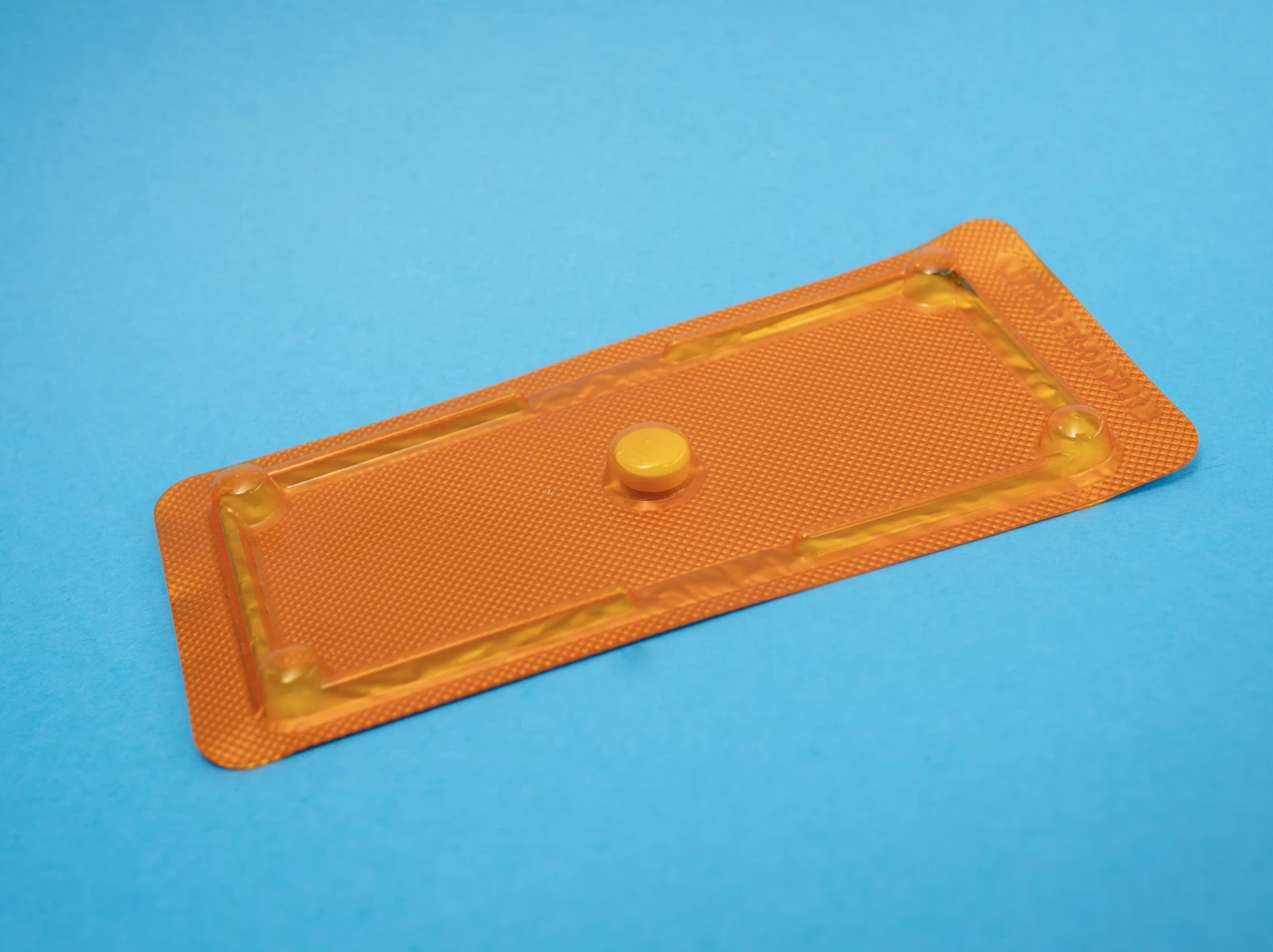
Image by Reproductive Health Supplies Coalition, from Unsplash
Meta Criticized For Blocking Abortion Pill Providers On Social Media
- Written by Kiara Fabbri Former Tech News Writer
- Fact-Checked by Justyn Newman Former Lead Cybersecurity Editor
Instagram and Facebook, platforms owned by Meta, recently came under fire after blocking posts and suspending accounts linked to abortion pill providers, as first reported by The New York Times .
In a Rush? Here are the Quick Facts!
- Providers’ accounts were suspended for violating policies on restricted goods, later restored.
- Meta cited “over-enforcement” but denied connection to its new speech policy changes.
- FDA allows abortion pill prescriptions via telehealth, but Meta’s moderation disrupts access.
Several posts were blurred or removed, while providers’ accounts were hidden from searches and recommendations. Some accounts were later reinstated, but these actions raised significant concerns about Meta’s content moderation practices, as reported by The Times.
Providers like Aid Access, Women Help Women, and Just the Pill reported that their accounts were suspended or their posts removed, with Meta citing violations of its policies on restricted goods such as drugs and firearms, said The Times.
Aid Access stated it had been unable to access its Facebook account since November 2024, and its Instagram account was only recently restored. Meanwhile, Hey Jane, another provider, reported being invisible in Instagram search results—a pattern it has faced before, as reported by The Times.
Meta acknowledged these incidents, labeling them as “over-enforcement.” A company spokesperson attributed the actions to rules requiring certification for the sale of pharmaceutical drugs, emphasizing that the moderation was unrelated to Meta’s recent policy shift toward looser speech restrictions, as reported by The Times.
The controversy follows Meta CEO Mark Zuckerberg’s announcement of sweeping changes to the company’s speech policies. While the changes were framed as a move to allow greater expression, experts worry they could lead to inconsistent enforcement and the silencing of critical voices.
These latest incidents involving abortion pill providers suggest Meta may still struggle to balance its policies with the realities of content moderation. The Times reports that advocates for reproductive rights are particularly alarmed by Meta’s actions, viewing them as part of a broader pattern since the 2022 overturning of Roe v. Wade.
Lisa Femia, an attorney at the Electronic Frontier Foundation, described the suppression of reproductive health content as a growing issue, posing risks to those seeking vital healthcare information online, as reported by The Times.
Despite these challenges, abortion pill providers continue operating in states where abortion remains legal. Telehealth services can prescribe FDA-approved medications like mifepristone and misoprostol and mail them under protective “shield laws,” noted The Times.
However, Meta’s enforcement actions highlight the obstacles providers face in reaching those in need of timely healthcare information. The incident underscores ongoing questions about Meta’s content policies and its commitment to fostering open dialogue, particularly in sensitive areas like reproductive health.
