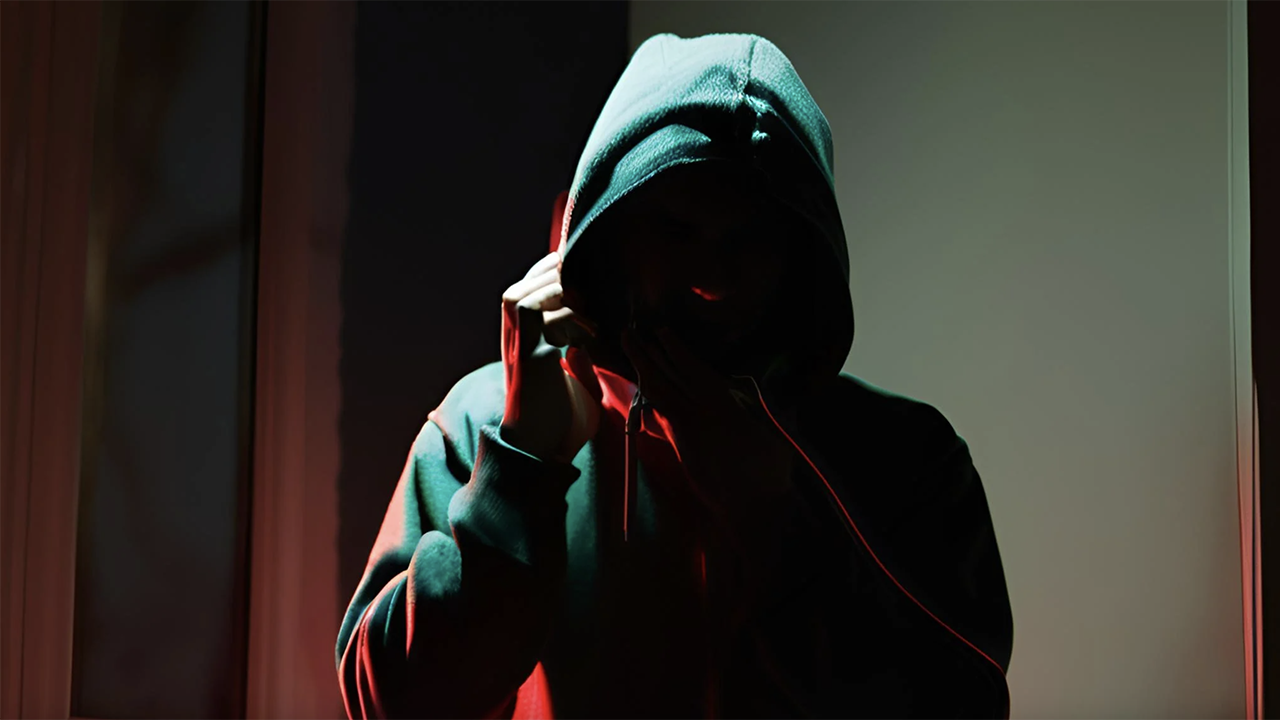
Political Scammer Fined $6 Million For AI Deepfake Robocalls Using Voice of Joe Biden
- Written by Andrea Miliani Former Tech News Expert
- Fact-Checked by
The Federal Communications Commission (FCC) of the United States of America proposed a $6 million fine for deepfake robocalls that imitated President Joe Biden’s voice and encouraged voters not to vote in the New Hampshire primary held on January 21.
The document , issued by the FCC on May 23, accuses political consultant Steve Kramer of the illegal calls that spread false information among potential voters.
Kramer, who had been working for Biden’s Democratic opponent Dean Phillips, publicly—and seemingly without remorse—admitted to being the one behind the robocalls in an interview with NBC News in February, after a New Orleans magician proved to an NBC reporter that he had been hired to make the recording.
When residents accepted the call two days before the elections, they heard Biden’s voice discouraging them from voting, including the phrase “save your vote for the November election.” Kramer and his team were allegedly able to breach the Truth in Caller ID Act “by maliciously spoofing the number of a prominent local political consultant,” according to the FCC’s press release.
The release also says that Kramer hired Voice Broadcasting Corp., which used Life Corp.’s services to make the calls through Lingo Telecom. Lingo Telecom is also being fined for “failing to utilize reasonable ‘Know Your Customer’ protocols to verify caller ID information.”
“We will act swiftly and decisively to ensure that bad actors cannot use U.S. telecommunications networks to facilitate the misuse of generative AI technology to interfere with elections, defraud consumers, or compromise sensitive data,” said Chief of the Enforcement Bureau and chair of the Privacy and Data Protection Task Force, Loyaan A. Egal.
According to TechCrunch , the proposed penalty issued by the FCC is “more about robocalls than AI, but the agency is clearly positioning this as a warning to other would-be high-tech scammers.” Since there are no criminal proceedings yet, this fine acts more as a frame to impose power as an authority institution on robocalls and to hold scammers accountable for AI-generated violations that aim to spread misinformation.
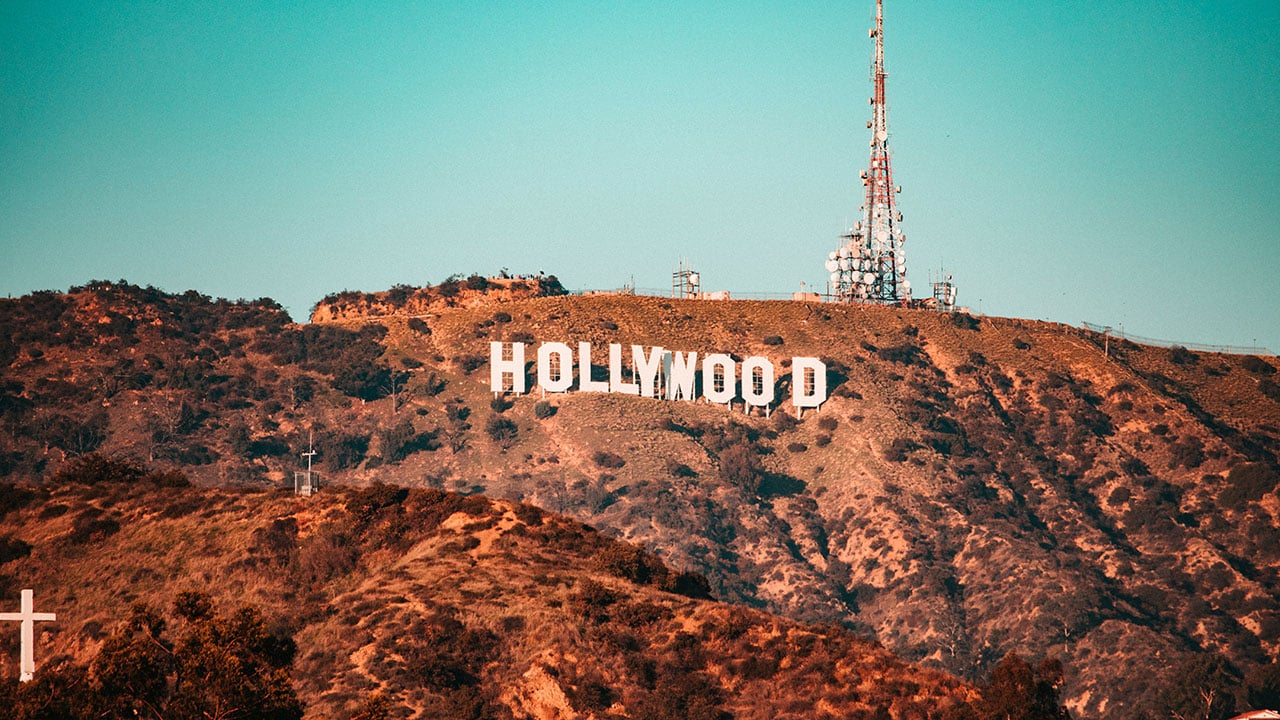
Meta And Alphabet Offer Millions Of Dollars To Hollywood For AI Partnership
- Written by Andrea Miliani Former Tech News Expert
- Fact-Checked by
Meta and Alphabet are in discussions with Hollywood Studios to license content for artificial intelligence technologies. According to Bloomberg , “people familiar with the matter” confirmed this information and explained the tech giants are interested in video generation software and have offered tens of millions of dollars for a partnership.
This story came out days after Hollywood actress Scarlett Johansson requested OpenAI clarify how the Sky chatbot voice, which sounds eerily like her own, was developed. The story raised awareness of AI use and the human right to protect their own identity.
OpenAI has also been in discussions with Hollywood to reach business agreements in the past few weeks.
“Hollywood Studios are keen to discuss ways to use AI to reduce costs while also protecting themselves from having their work stolen,” explains reporter Lucas Shaw in the article. “They are wary of giving films and TV shows to tech companies without control over how that content is used.”
According to a recent discussion on Bloomberg Television , Disney and Netflix have denied the request for agreements with the tech giants, but Warner Bros. is “weighing a decision.”
Bloomberg’s reporter Alex Webb explains that, for tech companies invested in developing generative AI products, “this is really about how to find the next wave of data to train a new generation” of AI. What Hollywood studios would gain with the alliance—besides money upfront— is a powerful technology to improve productions at a lower cost and create better content, like enhanced special effects.
AI tools are already used in video production and have amazed prominent figures in the industry. American actor and filmmaker Tyler Perry put his $800 million studio investment on hold after seeing Sora ( OpenAI’s text-to-video software ) perform.
While Hollywood could have the right to license a movie to a tech company, the fear of the consequences extends to relationships with creative partners. Not all actors have similar considerations regarding AI, and it could rekindle tensions with the union of Screen Actors Guild-American Federation of Television and Radio Artists (SAG-AFTRA) after recent strikes surrounding similar subject matter.
