
Image by Freepik
Philippine Call Centers Navigate AI Revolution, Balancing Job Losses And New Opportunities
- Written by Kiara Fabbri Former Tech News Writer
- Fact-Checked by Justyn Newman Former Lead Cybersecurity Editor
Bloomberg reported today how the rapid adoption of AI in the Philippines’ business process outsourcing (BPO) industry, a sector critical to the country’s economy, is sparking concerns over job losses.
The integration of AI is being driven by the same cost-cutting pressures that initially motivated companies to outsource jobs to the Philippines, says the report.
The introduction of AI has had mixed effects on the workforce. Some workers have found their jobs threatened or even eliminated as AI takes over more tasks.
For example, Christopher Bautista, 47, who spent nearly two decades in the call center industry, was suddenly placed on “floating status”—no work, no pay, but still officially employed.
Bloomberg reports that Bautista resigned six months later to take a sales position while waiting for reassignment. “AI will take over our jobs,” Bautista said. “It’s cheaper and more efficient.”
Despite potential job losses—estimated at up to 300,000 in the next five years within the country’s BPO industry—the industry is attempting to adapt by upskilling workers and embracing technological advancements, according to Bloomberg.
It’s not all doom, as AI is also expected to create new roles, such as training algorithms or managing data. Analysts predict AI could generate up to 100,000 new jobs.
Bloomberg reports that ChatGPT is being used to train customer service agents by simulating various customer personas during role-playing exercises. This approach helps new hires handle challenging interactions more effectively.
PV Kannan, CEO of a customer service company, told Bloomberg that this AI-driven training has reduced the time required for new staff to become proficient from 90 days to about one month.
The BPO sector, particularly call centers, is a huge part of the Philippine economy. As the largest private-sector employer and a significant contributor to the nation’s GDP, it is a vital part of the country’s economic landscape.
The government and industry leaders are working to mitigate these risks by investing in AI training and research. National Economic and Development Authority Secretary Arsenio Balisacan told Bloomberg “If you don’t upskill, obviously, AI will replace you.”
However, the government has not yet detailed its spending plans. Leading opposition senator Risa Hontiveros expresses concerns about the slow response. “Unfortunately, the Philippines is poorly prepared to shield our workers from the impact of the AI wave,” she told Bloomberg.
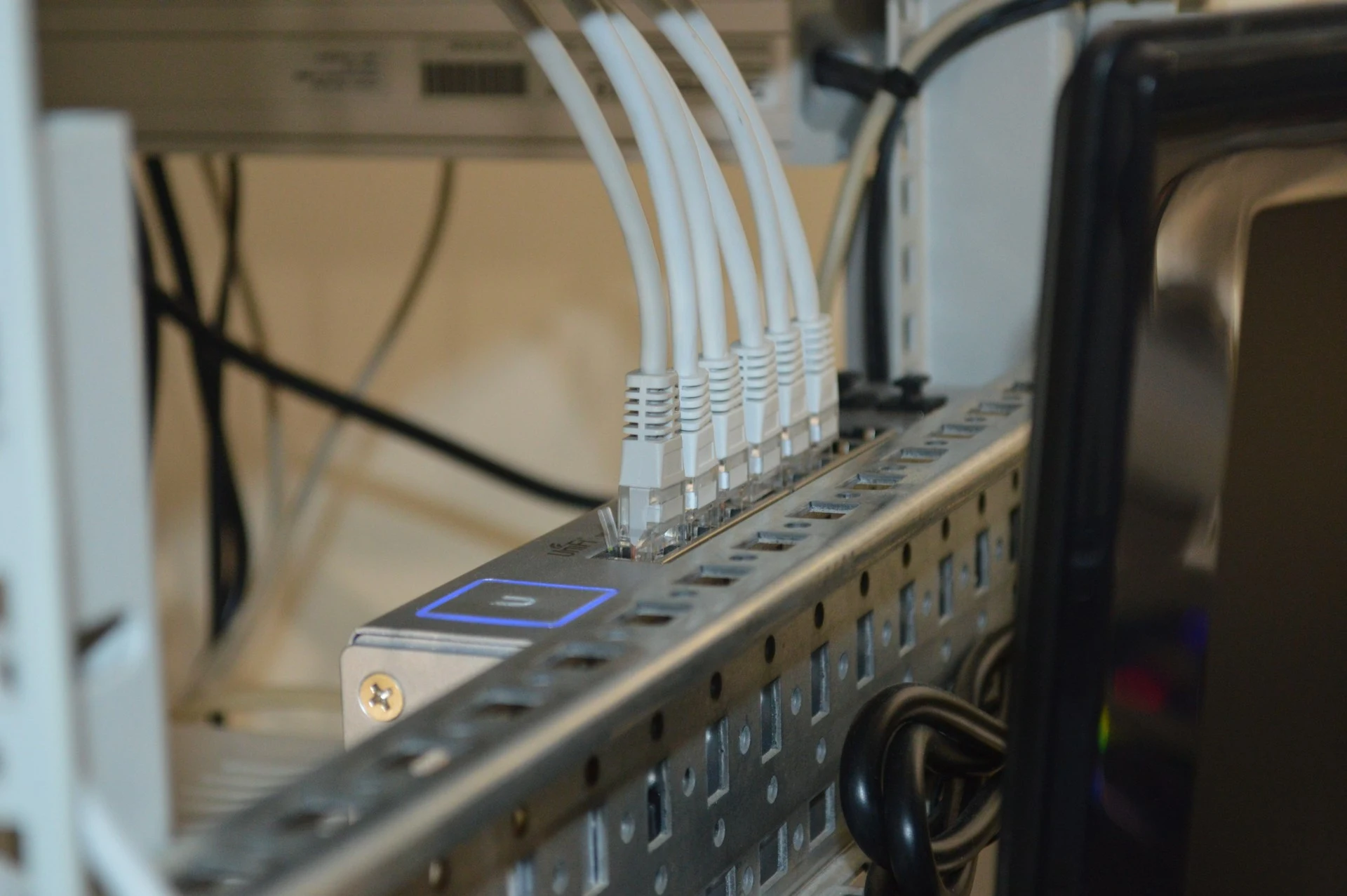
Photo by Thomas Jensen on Unsplash
Chinese Hackers Target Internet Providers in the U.S.
- Written by Andrea Miliani Former Tech News Expert
- Fact-Checked by
Researchers from Lumen Black Lotus Labs reveal that hackers linked to the Chinese government have exploited a vulnerability in networking software and targeted internet service providers (ISPs) in the United States.
According to the report shared on Tuesday, the research team discovered that malicious actors used a zero-day vulnerability—a security flaw that has not been recognized before—in Versa Director servers , a service provided by Versa Networks to multiple ISPs in the country.
The vulnerability, now identified as CVE-2024-39717, was publicly announced on August 22, and a new security update has been launched. Versa Director versions older than 22.1.4 could be at risk.
According to TechCrunch , Volt Typhoon “focuses on targeting critical infrastructure,” its mission is to cause “real-world harm.” This organization wants to disrupt the U.S. military.
Researchers discovered a custom-tailored web shell, with a modular nature, linked to the vulnerability that they called “VersaMem,” used “to intercept and harvest credentials which would enable access into downstream customers’ networks as an authenticated user.”
The investigation also detailed that affected devices were located in small and home offices. In June, Black Lotus Labs recognized four U.S. victims and one non-U.S. victim. The malicious actors gained administrative access and deployed and exploited the VersaMem web shell.
Later, hackers were trying to access other networks linked to Versa Network. “This wasn’t limited to just telecoms, but managed service providers and internet service providers,” said Mike Horka, one of the security researchers to TechCrunch. “These central locations that they can go after, which then provide additional access.”
Black Lotus Labs and the U.S. government’s Cybersecurity and Infrastructure Security Agency (CISA) recommend organizations update their services, look for malicious activities, and report any findings.
