
Photo by Dylan Gillis on Unsplash
Perplexity AI Seeks to Double Valuation with $500 Million Fundraising Round
- Written by Andrea Miliani Former Tech News Expert
- Fact-Checked by Justyn Newman Former Lead Cybersecurity Editor
In a Rush? Here are the Quick Facts!
- People familiar with the matter confirmed that Perplexity is looking to raise $500 in a fourth funding round this year
- With a new agreement, Perplexity could raise its valuation above $8 million
- The company’s annual revenue is estimated at 50 million
The artificial intelligence company Perplexity AI expects to raise $500 million in a new round of funding that would double its valuation to more than $8 billion.
According to The Wall Street Journal , this would be the startup’s fourth round of the year, in “an unusually fast pace” even for Silicon Valley companies.
The company’s valuation has significantly evolved and increased this year. In January, Perplexity AI was worth $520 million and by the summer it had reached $3 billion.
Based on recent sales—premium subscriptions to users—, the company’s annual revenue is estimated at 50 million.
Other AI companies have significantly increased their value as well. Just a few weeks ago, OpenAI reached $157 billion after raising $6.6 billion in recent funding, ensuring its lead in the AI assistant race . Perplexity AI seems to be working on strategic moves to remain competitive in the market.
CNBC also confirmed the funding talks with a person familiar with the matter, but the details of the discussions and negotiations with potential investors have not been disclosed and remain private. According to the American news channel, Perplexity AI also wants to challenge Google’s dominance and gain relevance in the search engine industry.
In August, the Nvidia-backed AI company announced that it would include ads on its platform with a new system by the end of the year, as a strategy to share revenues for interactions with publishers among plagiarism controversies.
Just a few days ago, the New York Times issued a cease-and-desist letter requesting the AI company to stop using its content without permission.
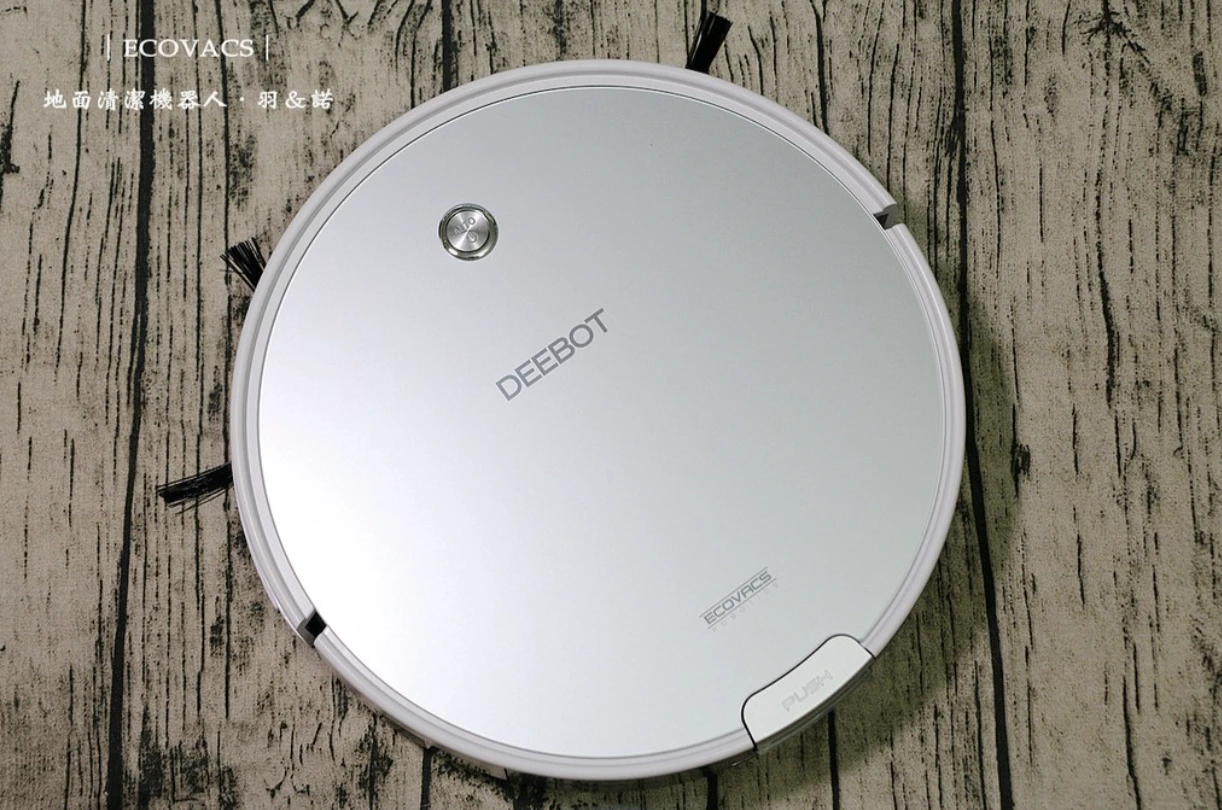
image by 羽諾 YUNO, from Flickr
Hackers Hijack Robot Vacuums To Broadcast Racial Slurs
- Written by Kiara Fabbri Former Tech News Writer
- Fact-Checked by Justyn Newman Former Lead Cybersecurity Editor
In a Rush? Here are the Quick Facts!
- Hackers remotely accessed Ecovacs Deebot X2s vacuums in multiple US cities.
- The exact number of compromised devices from Ecovacs remains unclear.
- Ecovacs acknowledged the breach and began an internal security investigation.
Hackers have infiltrated robot vacuum cleaners in several US cities, exploiting security vulnerabilities in the Ecovacs Deebot X2s models. They have taken control of the devices to broadcast offensive content, including racial slurs, as reported on Saturday by Interesting Engineering (IE).
The total number of hacked robots is still unknown, but all affected devices were produced by Chinese manufacturer Ecovacs. The attacks follow a recent demonstration by ABC News , which revealed a major security flaw in the Deebot X2s by successfully hacking one.
These incidents, reported in areas like Minnesota, Los Angeles, and El Paso, involved hackers accessing the devices’ remote controls and live camera feeds. In one instance covered by IE, Daniel Swenson, a lawyer from Minnesota, noticed odd sounds coming from his vacuum while he was watching TV.
Thinking it was just a technical issue, Swenson changed his password and restarted the robot. But shortly after, the device started moving again, this time loudly broadcasting racial slurs.
In another case in El Paso, a robot began spewing racial slurs late at night until its owner unplugged it.
After Swenson reported the issue to the company, he had multiple exchanges with Ecovacs support. A senior employee contacted him, emphasizing the need for video proof of the incident, noted IE.
Later, Swenson received an email confirming that his account had been compromised, and the technical team had traced and blocked the hacker’s IP address, as reported by IE.
