Image by pikisuperstar, from Unsplash
People Who Doomscroll Tend To Believe More In Fake News
- Written by Kiara Fabbri Former Tech News Writer
- Fact-Checked by Sarah Frazier Former Content Manager
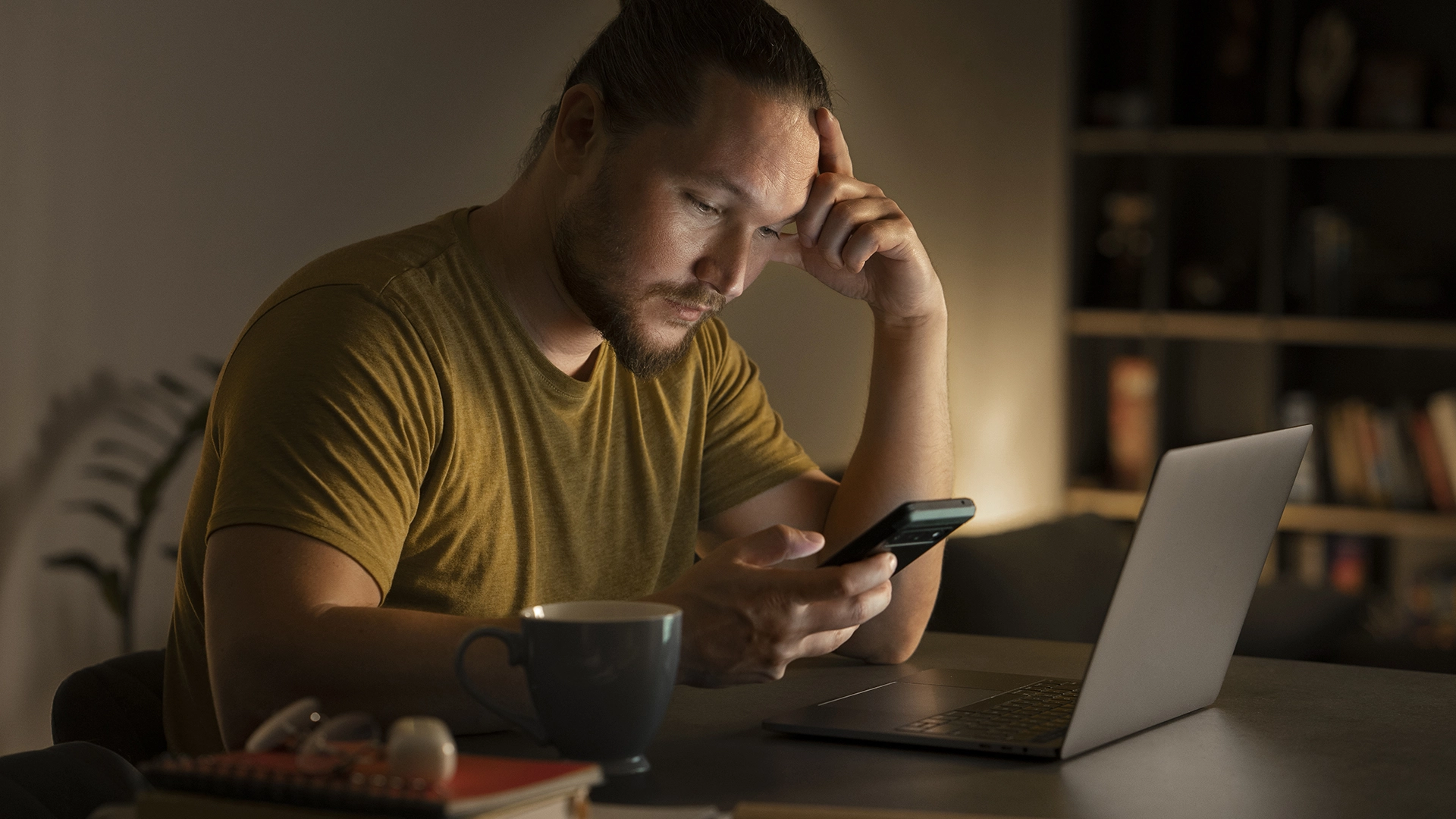
If you often find yourself scrolling endlessly, you may be more prone to falling for misinformation.
In a rush? Here are the quick facts:
- Heavy social media users are more likely to believe fake news.
- Heavy social media users clicked, liked, and shared fake headlines more often.
- Researchers urge platforms to identify and protect vulnerable users.
People who compulsively use social media are significantly more likely to trust, engage with, and spread fake news, according to new research .
The research involved 189 young adults who were shown a mix of real and fake news stories formatted as social media posts. Participants rated how credible they found each story and indicated how likely they were to engage with the post by clicking, liking, commenting, or sharing.
The research presented 189 young adults with both real news and fake news stories, formatted as social media posts. Participants rated the credibility of each story alongside their willingness to interact with the post by clicking, liking, commenting, or sharing.
Findings revealed that individuals who displayed problematic social media use—defined as excessive and compulsive behaviors that disrupt daily life—showed increased susceptibility to believing fake news.
These participants were also more inclined to interact with the fake news content. In general, people with heavy social media habits were more active in interacting with all types of news content, regardless of its accuracy.
Problematic social media use refers to addiction-like behaviors tied to social media. People affected tend to feel anxious or restless when unable to access their accounts. Moreover, they show a tendency to continue using social media excessively despite harmful effects on their well-being.
The researchers argue that these findings are particularly concerning in an era when fake news spreads rapidly online, influencing everything from public health to democratic processes.
The research advocates for improved digital literacy training to help users detect false information. The researchers suggest that social media companies should implement identification systems to detect vulnerable users and then restrict their access to misinformation.
Additionally, the researchers advise that mental health professionals should make social media addiction a priority in their treatment strategies.
However, such a move appears unlikely, given that social media platforms thrive economically on maximizing user interaction, and fake news often drives the highest engagement.
While the study focused on college students and cannot be generalized to all age groups, it underlines a strong link between compulsive social media behavior and belief in fake news. It does not, however, confirm a causal relationship.
Experts recommend both taking regular breaks from social media and checking sources before sharing them. People who spend hours mindlessly scrolling through social media while reacting to dramatic headlines tend to become more vulnerable to accepting false information.
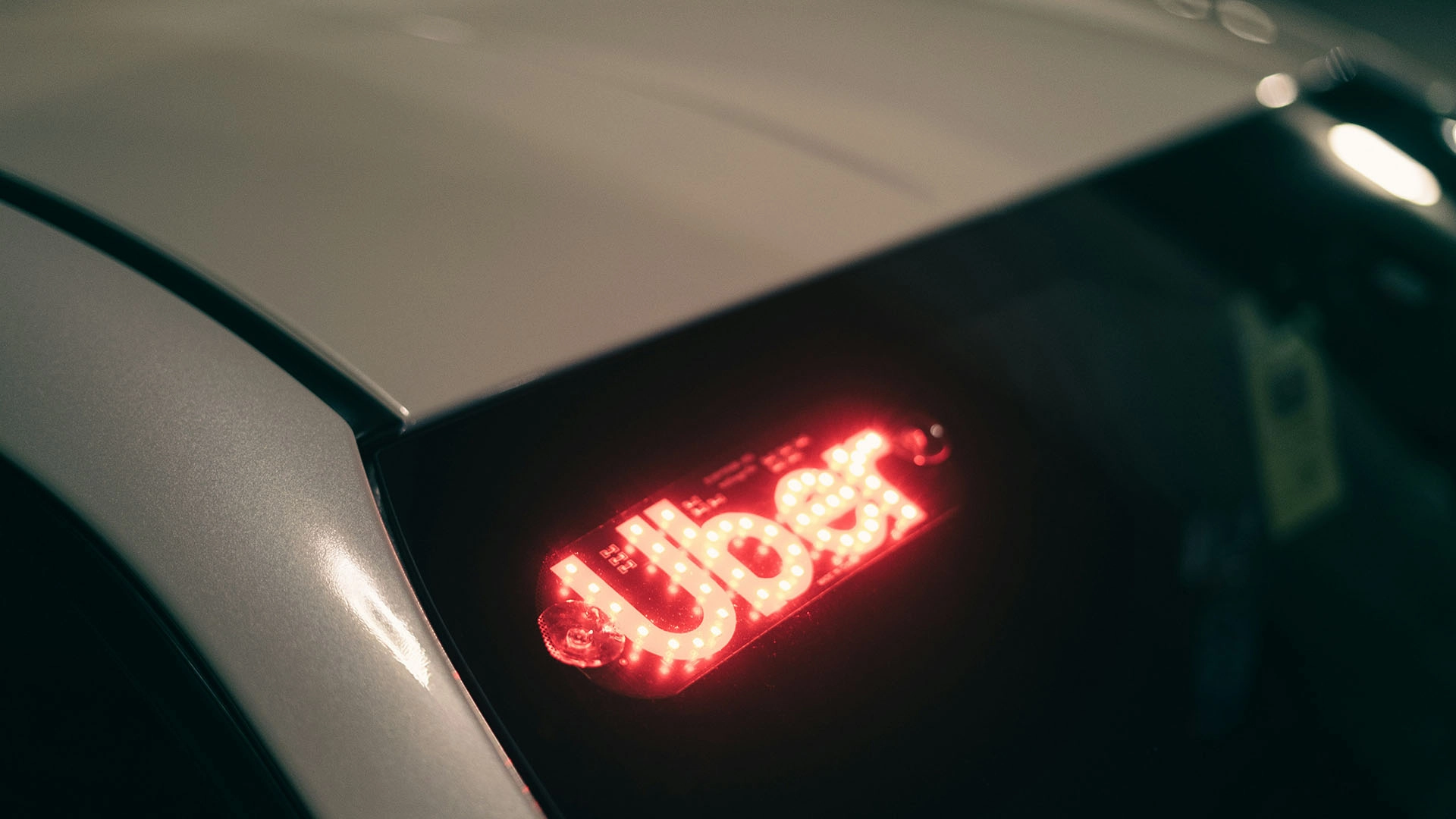
Image by Erik Mclean, from Unsplash
Uber CEO To Workers: Return To Office Or Leave
- Written by Kiara Fabbri Former Tech News Writer
- Fact-Checked by Sarah Frazier Former Content Manager
Uber is cracking down on remote work as its self-driving cars quietly outperform human drivers.
In a rush? Here are the quick facts:
- Uber enforces return-to-office policy starting June, requiring three office days weekly.
- CEO Khosrowshahi tells unhappy workers they can find jobs elsewhere.
- Paid sabbaticals now require more years at Uber to qualify.
Uber CEO Dara Khosrowshahi has a message for employees unhappy with returning to the office: there’s the door, as noted by Business Insider .
In a recent CNBC interview , he brushed off concerns that tightening work policies could push workers away. “The good news is the economy is still really strong. The job market is strong,” he said. “People who work at Uber, they have lots of opportunities everywhere.”
Business Insider reports that the new rules, taking effect in June, require employees to be in the office three days a week, including those who had previously worked remotely. Paid sabbaticals will now take longer to earn.
But Khosrowshahi made it clear these changes aren’t going anywhere. “We want them, obviously, to take the opportunity with us, to take the opportunity to learn,” he said, as reported by Business Insider. “We want more people in the office,” adding that the hybrid setup still allows working from home on Mondays and Fridays.
Business Insider reports that a Uber spokesperson claimed the policy isn’t intended to drive people out. But the tone from the top echoes a growing shift in Big Tech: scale back perks, raise expectations, and let dissenters walk.
All this comes as Uber’s autonomous ambitions are quietly accelerating. The Verge reports that in Austin, Uber’s robotaxi fleet—run by Waymo—is outperforming almost every human driver in the city. “So far, this launch has exceeded our expectations,” Khosrowshahi said in the company’s Q1 earnings call , adding that Waymo’s vehicles are “busier than over 99% of all drivers in Austin.”
As Uber tightens the leash on its human workforce, its self-driving cars are thriving. The timing raises a chilling question: is pushing workers out part of the plan?
