
image by rawpixel.com, from Freepik
People Are Receiving Malware Through Their Mail Via Infected QR Codes
- Written by Kiara Fabbri Former Tech News Writer
- Fact-Checked by Sarah Frazier Former Content Manager
Swiss authorities are warning the public about a series of counterfeit letters, purportedly from MeteoSwiss, that contain a dangerous scam.
In a Rush? Here are the Quick Facts!
- Fraudulent letters from MeteoSwiss trick recipients into downloading malware via QR codes.
- The malware, called ‘Coper,’ steals data from over 380 apps, including e-banking.
- The scam targets Android smartphones, mimicking the legitimate ‘AlertSwiss’ app.
The letters, which include a QR code, instruct recipients to download a new ‘Severe Weather Warning App.’ However, scanning the QR code leads to the installation of malware.
The National Cyber Security Centre (NCSC), MeteoSwiss, and the Federal Office for Civil Protection (FOCP) have received multiple reports of these fake letters being sent out by fraudsters.
“It is the first time the NCSC sees malware delivery through this method,” the agency told The Register .
“The letters look official with the correct logo of the Federal Office for Meteorology and thus trustworthy. In addition, the fraudsters build up pressure in the letter to tempt people into rash actions,” the agency added.
The QR code directs users to download malware known as ‘Coper’ (or ‘Octo2’), which is designed to steal sensitive data, including login credentials for over 383 smartphone apps, such as e-banking applications.
The malware specifically targets smartphones running the Android operating system. Once installed, it masquerades as the legitimate ‘AlertSwiss’ app—a government-backed tool used for public safety alerts.
However, the fake app displays a slightly altered version of the logo and an incorrect spelling (‘AlertSwiss’ instead of ‘Alertswiss’) to differentiate it from the real app.
The agency explained to the Register that it’s unclear how many people received the letters, as Switzerland lacks a universal reporting requirement for incidents like this. However, the NCSC confirmed it had been contacted by more than a dozen individuals.
Sending physical letters in Switzerland typically costs around $1.35 per piece, indicating the scammers likely targeted specific individuals for spear-phishing, noted The Register.
Malwarebytes highlights several advantages for criminals using QR codes in physical mail. People often don’t expect a letter—something seemingly non-technical—to infect their devices.
Since QR codes are typically scanned by mobile devices, which are often overlooked in terms of security software, these attacks can go undetected, noted Malwarebytes.
QR codes have become more common, especially following the COVID-19 pandemic, which pushed many restaurants to switch to digital menus for safety. As a result of this widespread adoption, seeing a QR code in a letter from an official source no longer raises immediate suspicion, as argued by Malwarebytes.
Many Android users also face security vulnerabilities due to “patch gaps” or outdated versions no longer receiving updates. This gap arises from delays in distributing fixes from software vendors to device manufacturers, who must then make updates available to users, noted Malwarebytes.
Swiss authorities advise anyone who receives one of these fraudulent letters to report it to the NCSC using their online form and then dispose of the letter. If the fake app has already been downloaded, users are urged to reset their phone to factory settings to remove the malware.
These incidents highlight the growing sophistication of phishing schemes and the importance of caution when scanning QR codes from unknown sources. Authorities are actively working on countermeasures to prevent further attacks.
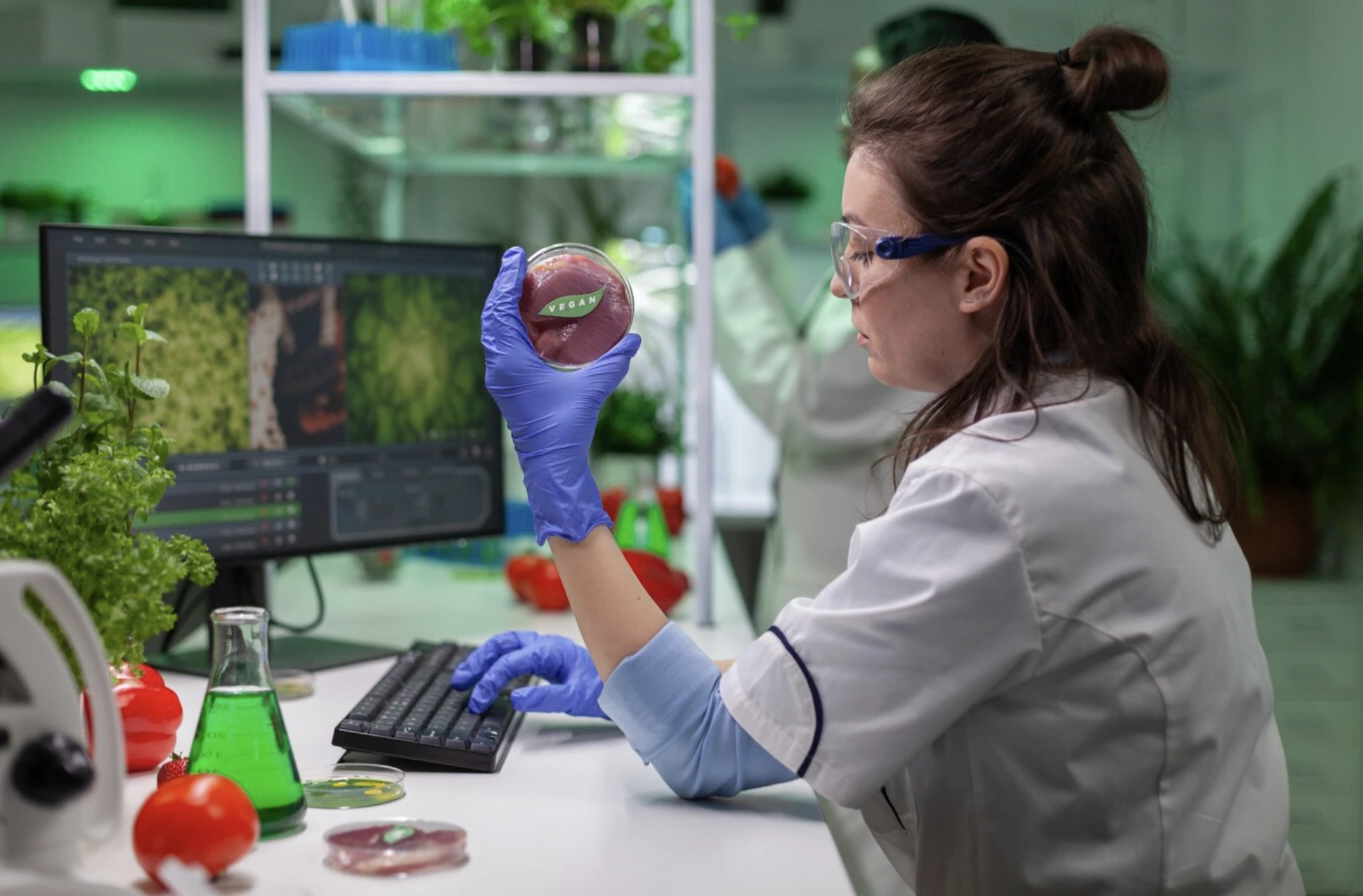
Image by DC Studio, from Freepik
Could AI Make Plant-Based Meats Taste Like The Real Thing?
- Written by Kiara Fabbri Former Tech News Writer
- Fact-Checked by Sarah Frazier Former Content Manager
Stanford engineers use mechanical testing and AI to improve plant-based meat textures, potentially accelerating development of realistic alternatives.
In a Rush? Here are the Quick Facts!
- The team tested animal and plant-based hot dogs, sausages, turkey, and tofu.
- AI-generated data mimicked human sensory testing, showing consistency in results.
- Plant-based hot dogs and sausages closely matched animal counterparts in texture tests.
Led by Professor Ellen Kuhl, the team combined mechanical testing and machine learning to measure precisely food texture with AI, potentially accelerating the creation of more realistic plant-based products.
Published in npj Science of Food , the study demonstrated that machine learning could replicate the sensory experiences of human taste testers, marking a significant step in plant-based food development.
The researchers tested various animal and plant-based meats, including hot dogs, sausages, and turkey, alongside tofu. They found that some plant-based products already closely mimic the texture of animal meats.
“We were surprised to find that today’s plant-based products can reproduce the whole texture spectrum of animal meats,” said Kuhl, as reported by Phys Org .
The ability to replicate these textures is critical as plant-based foods are often perceived as lacking the bite or chewiness of real meat, a barrier for many consumers.
Stanford’s approach is grounded in mechanical engineering. The researchers used a 3D food texture testing method, where they applied pulling, pushing, and shearing forces to samples of meat and tofu.
These tests simulate the forces exerted when chewing. The data from these tests was then processed through a machine learning model, which created equations to describe the physical properties of the foods.
When the team compared the mechanical results with human sensory rankings, they found striking consistency. For example, plant-based hot dogs and sausages performed similarly to their animal counterparts in mechanical tests, with human testers ranking them closely in terms of stiffness and chewiness.
The implications of these findings could be far-reaching.
“Instead of using a trial-and-error approach to improve the texture of plant-based meat, we could envision using generative artificial intelligence to scientifically generate recipes for plant-based meat products with precisely desired properties,” said Skyler St. Pierre, lead author of the study, as reported by Phys Org.
By sharing their testing data online, the team hopes to encourage collaboration and accelerate innovation in the plant-based food industry, noted Phys Org.
The research team continues to expand their database of food texture data, including plans to test new products like veggie deli slices and fungi-based meats, noted Phys Org.
With these efforts, they aim to create a more standardized and data-driven approach to developing plant-based alternatives that may one day satisfy even the most committed meat lovers.
