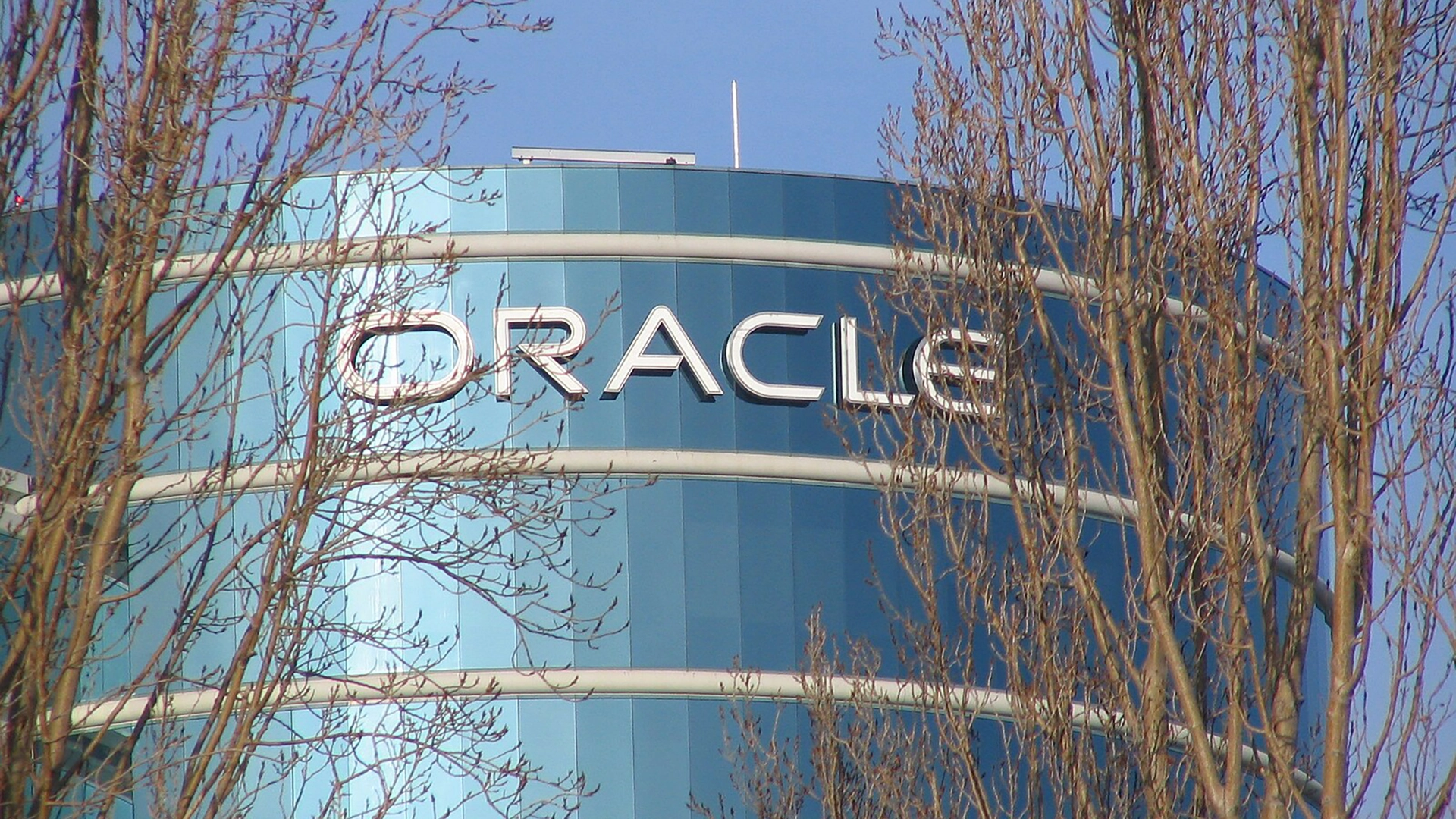
Image by ORACLE, from Wikimedia Commons
Oracle Faces Scrutiny Over Alleged Cloud Security Breach
- Written by Kiara Fabbri Former Tech News Writer
- Fact-Checked by Sarah Frazier Former Content Manager
Oracle is under fire after cybersecurity researchers and journalists uncovered evidence of a major security breach in its cloud services—despite the company’s denials.
In a rush? Here are the quick facts:
- The company Oracle states through official channels that Oracle Cloud did not experience any kind of breach.
- The analysis of leaked information shows that the data is authentic and reveals email addresses together with job positions and contact information.
- The company allegedly verified the breach through private communication yet refuses to provide written confirmation of the incident.
The hacker ‘rose87168’ announced on March 21 that they had penetrated Oracle’s cloud infrastructure before revealing confidential information, as noted by Medium .
The hacker presented files together with login credentials which cybersecurity experts verified as authentic. Bleeping Computer received a statement from Oracle which denied any breach of their Cloud infrastructure.
Medium reported that internal Oracle meeting recordings revealed employees discussing password vault access and customer system entry after the initial breach. The public release of the video indicates that the breach extended beyond Oracle’s initial statements.
TechSpot notes that Hudson Rock, CloudSEK, and Trustwave SpiderLabs analyzed the data and said it was real customer information, including email addresses, job titles, and contact details. Trustwave said this leak poses “severe cybersecurity and operational risks.”
Despite these findings, Oracle allegedly used wordplay to distance itself from the breach, stating only that “Oracle Cloud” was unaffected while reportedly shifting blame onto “Oracle Classic,” a rebranded version of its legacy services, as reported by TechSpot.
Medium reports that some Oracle customers claim that the company has confirmed a breach through private communication yet refuses to issue written statements despite mounting evidence. However, the absence of clear disclosure has triggered extensive public disapproval.
Meanwhile, “rose87168” continues leaking data and has threatened to release more unless demands are met, as reported by Medium. Experts warn that affected organizations should take immediate security measures, as Oracle remains silent on mitigation efforts.

Photo by Digital.de on Unsplash
Genetic Data Platform OpenSNP To Shut Down Over Data Privacy Concerns
- Written by Andrea Miliani Former Tech News Expert
- Fact-Checked by Sarah Frazier Former Content Manager
The open-source genetic data platform openSNP announced this Monday that it will shut down on April 30 this year due to privacy concerns.
In a rush? Here are the quick facts:
- openSNP announced this Monday that it will shut down on April 30, 2025.
- Its co-founder, Bastian Greshake Tzovaras, explained that the decision had to do with data privacy concerns, including 23andMe’s bankruptcy announcement.
- Greshake Tzovaras also raised alarms over current genetic data use and the rise of authoritarian governments.
openSNP’s co-founder, Bastian Greshake Tzovaras, shared a blog post explaining that the decision has been made after considering data privacy risks, 23andMe’s recent bankruptcy announcement and its massive data breach—exposing private information of over 7 million users—, as well as the rise of authoritarian governments globally.
“The risk/benefit calculus of providing free & open access to individual genetic data in 2025 is very different compared to 14 years ago,” wrote Greshake Tzovaras. “And so, sunsetting openSNP – along with deleting the data stored within it – feels like it is the most responsible act of stewardship for these data today.”
openSNP was founded in 2011 by Greshake Tzovaras, Philipp Bayer, and Helge Rausch as an open and public platform for people to donate genetic and phenotypic data for scientific purposes and to open up access to genetic data to everyone.
Despite the major achievements such as becoming one of the world’s largest resources for genetic data and the scientific breakthroughs like the findings on “genetic origins of Chronic Fatigue Syndrome,” Greshake Tzovaras explains that he believes that circumstances have changed and that his initial beliefs now look “naïve” and too “data-centric” to him.
Greshake Tzovaras points out that multiple companies and organizations wanted to buy openSNP for its data, but that they remained independent until the end, and found financial solutions–including crowdfunding strategies—to help the organizations remain true to their values and protect their users’ data.
According to TechCrunch , openSNP had nearly 13,000 users and had identified over 7,500 genomes.
While there are still opportunities to develop and continue the legacy of the democratic project, Greshake Tzovaras also raised concern over the current use of genetic data, such as for law enforcement and “DNA phenotyping”, sustainability challenges, and political developments.
“Across the globe, there is a rise in far-right and other authoritarian governments,” added Greshake Tzovaras. “While they are cracking down on free and open societies, they are also dedicated to replacing scientific thought and reasoning with pseudoscience across disciplines.”
