
OpenAI’s Text-to-Video Generator Will Soon be Publicly Available
- Written by Deep Shikha Content Writer
- Fact-Checked by
OpenAI’s much-awaited text-to-video generator, Sora, is set to make its public debut later this year. In a recent interview with The Wall Street Journal , OpenAI CTO Mira Murati hinted that Sora will be available to the public in a few more months.
Sora made its first appearance in February, which can generate hyperrealistic scenes from just text input. So far, the company has only made it available to visual artists, filmmakers, and designers. Still, it has already gained popularity on platforms like X based on what it is capable of doing.
Murati also revealed that they will eventually incorporate sound into the tool so the videos it generates can be more realistic. In addition, she talked about the plans to make the outputs editable, as AIs don’t always produce accurate images and videos.
“We’re trying to figure out how to use this technology as a tool that people can edit and create with,” Murati told the Wall Street Journal. And there’s certainly a lot of criticism about how a tool like this can be harmful, with deepfake scams on the rise. Take the totally fake Taylor Swift Le Creuset ad or the Morgan Freeman deepfake video .
When prompted with questions about the data being used to train Sora, Murati refrained from getting too specific and mentioned that the model relies on publicly available data.
“I’m not going to go into the details of the data that was used, but it was publicly available or licensed data,” Murati added. She did confirm that Sora uses content from Shutterstock, with which OpenAI has a partnership .
Murati also told the journal that powering Sora is much more expensive than other AI models they’ve launched in the past. Despite this, OpenAI aims to keep it affordable, she said. Like DALL-E, Sora will have rules against making images of famous people and will use watermarks to mark AI-generated content to ensure it’s distinguishable from real content.
Former US Treasury Secretary Mnuchin Wants to Acquire TikTok Amid Threat of US Ban
- Written by Shipra Sanganeria Cybersecurity & Tech Writer
- Fact-Checked by
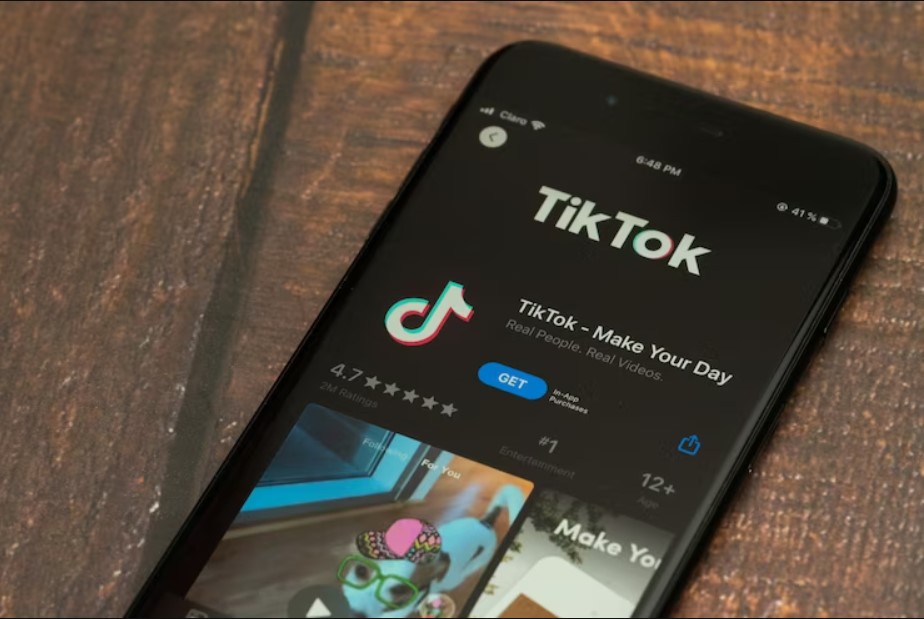
On the heels of the TikTok ban by the US House of Representatives , Steven Mnuchin, the former Treasury Secretary, said that along with an investor group, he’s planning to make a bid to buy the short-form video-sharing platform.
In an interview on CNBC’s Squawk Box , Mnuchin said that he hoped the bill would pass in the Senate, which could compel TikTok’s parent company, ByteDance, to divest its share to a US-based organization.
However, he was quick to say that the Chinese government would never approve of any kind of sale or divestiture to a US-based business. “There’s no way that the Chinese would ever let a US company own something like this in China,” Mnuchin said.
One of the reasons could be the large amount of data collected by the app. Used by nearly 170 million Americans, Mnuchin said that in his tenure as the Treasury Secretary, he had seen mounting evidence of the app’s capability to collect vast troves of user data.
The other factor widely suspected to be the main reason behind China’s reluctance to the sale, is TikTok’s powerful algorithm. Developed in China, this algorithm is the mainstay behind the platform’s success as it divines tailored content to users.
Without this algorithm, one wonders how attractive the sale of this platform to potential buyers would be. Earlier in 2020, the sale of TikTok to Walmart and Oracle hit a snag when Chinese regulators first added algorithms (technologies) to its export control list.
Nevertheless, there is a growing interest among US investors in acquiring the social media platform. Former Activision Blizzard CEO Bobby Kotick has also shown interest in bidding for the platform, according to a report in the Wall Street Journal .
TikTok, meanwhile, in an internal memo to employees, stated that it would continue with its current data protection strategy in the US and would use legal means to protect the platform.
