
Image by Mangoose13, from Goodfon
OpenAI Limits AI Image Generation As GPUs Struggle With Ghibli-Inspired Demand
- Written by Kiara Fabbri Former Tech News Writer
- Fact-Checked by Sarah Frazier Former Content Manager
OpenAI put its AI image-generation tool under restrictions because an unforeseen increase in usage threatened to burn out its computing capacity.
In a rush? Here are the quick facts:
- OpenAI limited AI image generation as high demand strained its GPUs.
- The viral Ghibli-style image trend caused massive spikes in usage.
- CEO Sam Altman said OpenAI’s GPUs are “melting” under pressure.
CEO Sam Altman announced that the company’s GPUs are experiencing damage from excessive user requests that focus on Studio Ghibli-inspired image creation.
The CEO posted on X that the GPU devices were melting down.
it’s super fun seeing people love images in chatgpt. but our GPUs are melting. we are going to temporarily introduce some rate limits while we work on making it more efficient. hopefully won’t be long! chatgpt free tier will get 3 generations per day soon. — Sam Altman (@sama) March 27, 2025
OpenAI’s AI tool gained popularity because it produces images which resemble Studio Ghibli’s animation style. Social media platforms have become overwhelmed with Ghibli-style pictures of people as well as historical events, and an AI-generated picture of Altman who selected a Ghibli-inspired version of himself as his X profile image.
The resurgence of copyright issues has emerged from the trend. OpenAI has faced lawsuits regarding its training data while the company has worked to establish defensive measures, as noted by Fortune .
The system card for GPT-4o states that the model does not accept requests to produce images in the style of a living artist, as previously noted by TechCrunch . Studio Ghibli’s co-founder Hayao Miyazaki remains alive, and expressed his opposition to AI-generated art which he described as an “insult to life itself.”
Fortune reports that the free version of ChatGPT declines to generate Studio Ghibli-style images, citing policy violations. When Fortune requested such an image, the chatbot responded:
“I wasn’t able to generate the image because the request didn’t follow content policy guidelines. If you’d like, I can create something similar with a different approach—perhaps a symbolic representation of technology and art clashing in a fantasy setting. Let me know how you’d like to proceed!”
The rapid spread of AI-generated images reveals the significant computational resources needed to produce such content. The entire process needs powerful GPUs alongside large-scale cloud infrastructure and extensive energy consumption.
The temporary rate limits indicate OpenAI’s efforts to improve efficiency yet demonstrate the difficulties of making AI tools compatible with increasing user demand.
Generative AI development will face ongoing challenges in achieving accessibility while maintaining computational sustainability and ethical standards according to OpenAI and other similar companies.
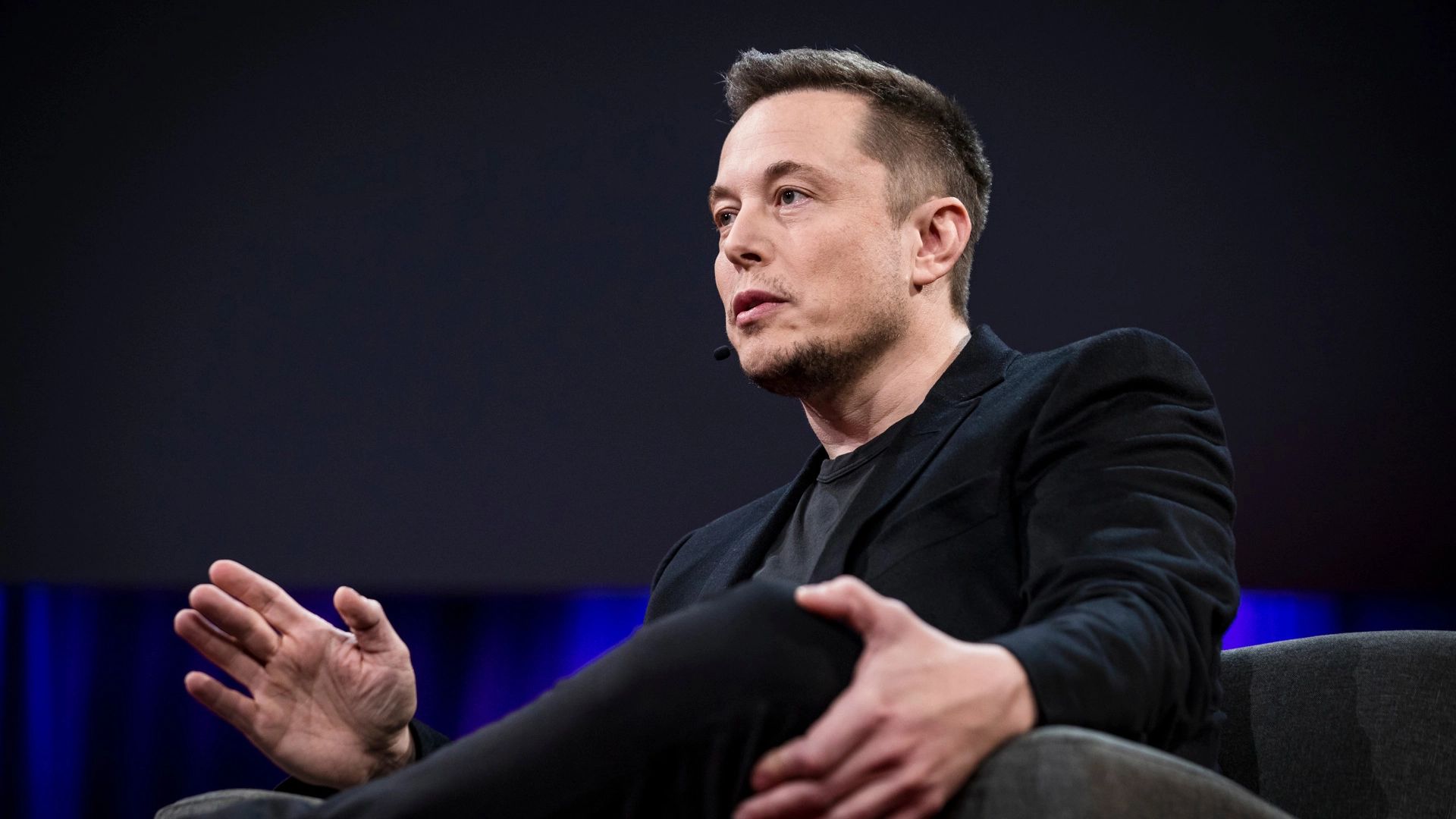
Image by TED Conference, from Flickr
Can xAI Save X? Musk’s New Merger And Its Financial Implications
- Written by Kiara Fabbri Former Tech News Writer
- Fact-Checked by Sarah Frazier Former Content Manager
Elon Musk announced that xAI, his artificial intelligence company, acquired X through an all-stock transaction.
In a rush? Here are the quick facts:
- Musk announced xAI’s acquisition of X in an all-stock transaction.
- xAI is valued at $80B, while X is valued at $33B or $45B with debt.
- Musk sees X and xAI as one entity due to shared assets.
Musk announced on Friday where he valued xAI at $80 billion, and X at $33 billion but included the $12 billion debt of the social network to reach a total value of $45 billion.
@xAI has acquired @X in an all-stock transaction. The combination values xAI at $80 billion and X at $33 billion ($45B less $12B debt). Since its founding two years ago, xAI has rapidly become one of the leading AI labs in the world, building models and data centers at… — Elon Musk (@elonmusk) March 28, 2025
According to Musk the future of X and xAI exists as one entity because the companies share essential assets. These include data, models, computing power, distribution channels, as well as talent base.
This move follows a pattern in Musk’s business strategy. In 2016 Tesla acquired SolarCity through a business transaction that he managed as the biggest shareholder of the solar energy company, as noted by The New York Times.
The Time reports that Tesla functions as a publicly traded entity, yet Musk operates his companies, including SpaceX, Neuralink, and The Boring Company, under private ownership, which enables him to redirect funding without public monitoring.
Reuters argues that X has faced financial challenges since Elon Musk purchased the company for $44 billion in 2022.
The advertising revenue-based business experienced decreased brand sponsorships due to Musk’s relaxed content moderation policies, and subsequent controversial platform decisions , as noted by The Times.
Fidelity demonstrated its commitment to the company by valuing X at $12 billion during December 2024. The financial performance of X remains unpredictable despite some advertisers deciding to return to the platform, noted The Times.
Musk revealed to employees in January that X operated at a financial loss, which barely compensated its expenses. Additionally, X’s internal financial reports from March showed that the company failed to reach its $153 million advertising target as ad sales dropped to $91 million, as reported by The Times.
In contrast, The Times notes that xAI continues to demonstrate positive growth patterns in the market. The company received $6 billion in funding during December which caused its worth to reach $40 billion.
Through the combination of these companies Musk utilizes xAI’s expanding value to address X’s monetary challenges.
