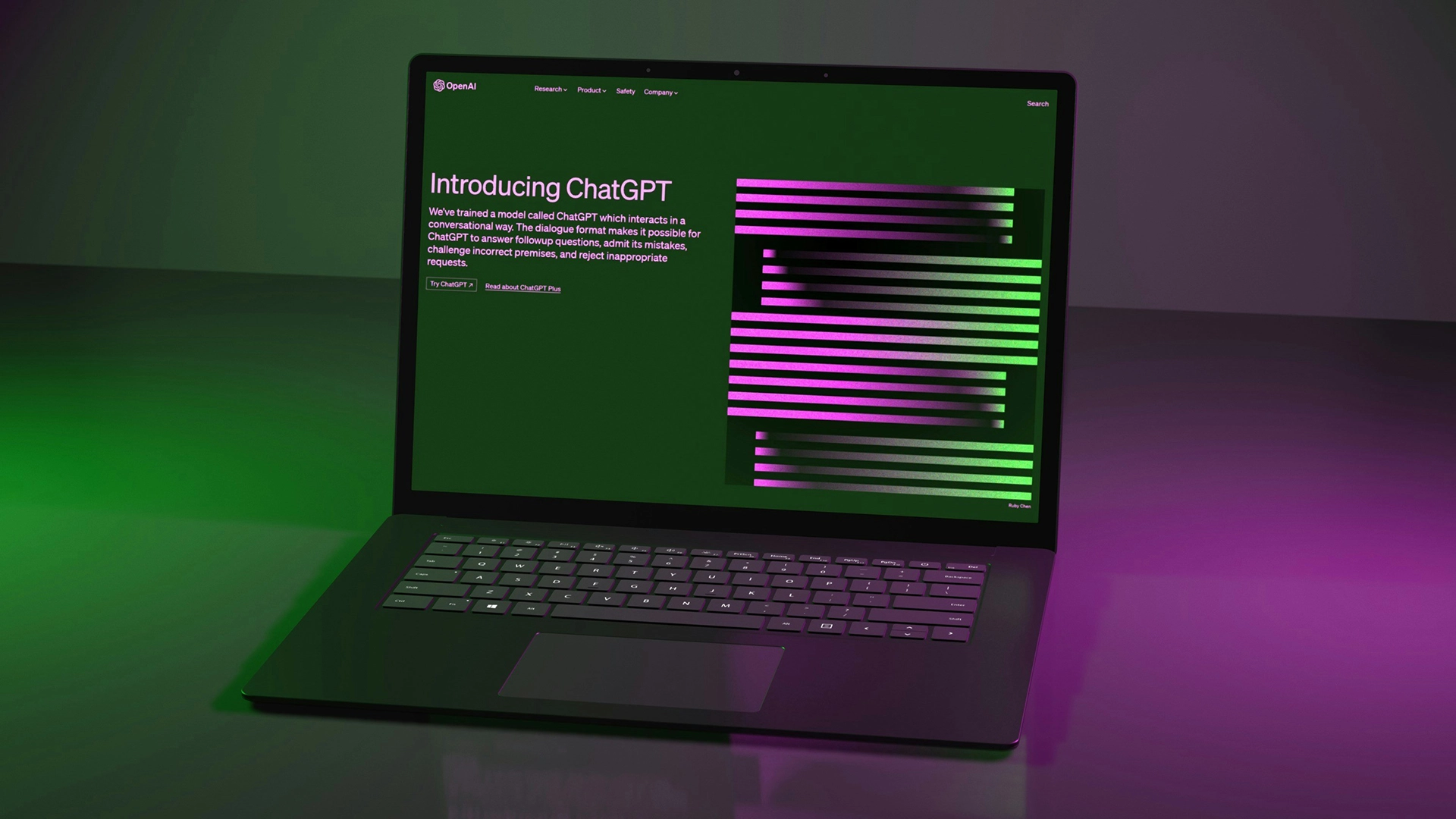
Image by Choong Deng Xiang, from Unsplash
OpenAI Launches Codex: An AI Assistant For Developers
- Written by Kiara Fabbri Former Tech News Writer
- Fact-Checked by Sarah Frazier Former Content Manager
OpenAI has just introduced Codex, a new cloud-based AI assistant designed to help developers with software tasks.
In a rush? Here are the quick facts:
- Codex is OpenAI’s new cloud-based AI for software development tasks.
- Available to Pro, Team, and Enterprise users; Plus and education coming soon.
- It runs tasks in a secure environment with real-time logs and test outputs.
It’s now available to ChatGPT Pro, Team, and Enterprise users, with support for Plus and education users coming soon.
Codex runs on codex-1, a model specially trained for software engineering. It can write features, fix bugs, answer code questions, and propose pull requests — all in parallel. Each task runs inside a secure environment loaded with the user’s code, making it safe and easy to track.
Codex is easy to use: just type a prompt in ChatGPT, click “Code” or “Ask,” and it starts working. It edits files, runs tests, and even shows live progress. Tasks can take from 1 to 30 minutes, depending on how complex they are.
“Codex provides verifiable evidence of its actions through citations of terminal logs and test outputs,” OpenAI explained. Users can review these results, ask for changes, or directly merge them into their code.
Codex can also read special instructions from AGENTS.md files inside your codebase. These files help it understand your testing process and coding standards. Still, “codex-1 shows strong performance even without AGENTS.md files,” OpenAI stated.
Codex also recently fixed a bug in the Astropy library’s separability_matrix function. A user noted: “Suddenly the inputs and outputs are no longer separable? This feels like a bug to me.” Codex identified the issue and proposed a patch that was accepted — showing its practical value.
OpenAI calls this a “research preview,” meaning it’s still being improved. They stress the importance of safety, transparency, and human oversight: “It still remains essential for users to manually review and validate all agent-generated code before integration and execution.”
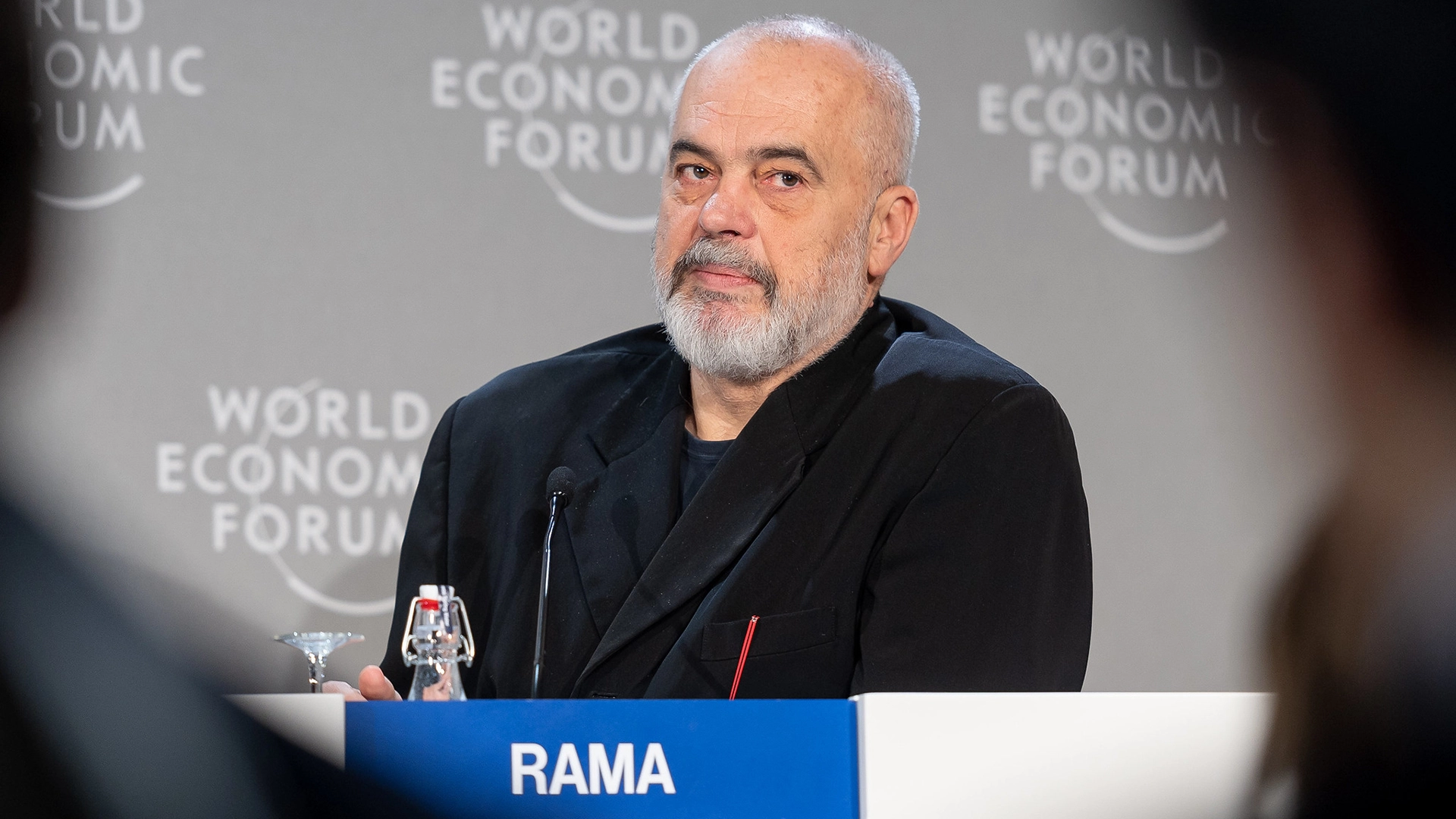
Image by World Economic Forum, from Flickr
European Leaders Watch Themselves As AI Babies At Tirana Gathering
- Written by Kiara Fabbri Former Tech News Writer
- Fact-Checked by Sarah Frazier Former Content Manager
European leaders were greeted with a bizarre twist at the opening of the European Political Community summit in Tirana, Albania, on Friday: baby versions of themselves created by AI.
In a rush? Here are the quick facts:
- Video showed each leader-baby saying “Welcome to Albania” in their own language.
- Over 40 leaders attended the European Political Community summit.
- Edi Rama is known for eccentric gesture
A brief video presentation displayed each of the more than 40 leaders transforming into babies who uttered “Welcome to Albania” in their native languages.
Politico notes that the audience received mixed reactions because some people found it funny, while others looked uncertain about their response.
Italian Prime Minister Giorgia Meloni was seen laughing, clearly entertained. In her speech afterward, she thanked Albanian Prime Minister Edi Rama, adding that the experience made her “feel very young again.” Danish Prime Minister Mette Frederiksen displayed both amusement and confusion during the event, as reported by Politico.
Not everyone was laughing, though. Turkey’s President Recep Tayyip Erdoğan kept a straight face throughout most of the video, noted Politico.
The playful video seems to reflect the quirky style of Edi Rama, who is known for his offbeat sense of humor and background as a painter in France, as reported by Politico. Rama demonstrated his recent election victory by kneeling down to greet Meloni in person, as previously reported by The Times .
The baby video gained attention because of its unusual nature but the main reason for holding the meeting in Tirana was meant to focus on critical matters in regards to the Russia-Ukraine War.
Still, the unusual tone of the opening ceremony raised questions about whether such a lighthearted approach was appropriate given the gravity of the summit’s objectives.
With European leaders gathering to discuss escalating tensions and potential new sanctions over the war in Ukraine, the baby-themed video stood in stark contrast to the seriousness that has typically defined previous meetings on the conflict.
As Europe still experiences destabilisation as a result of the war, the choice to begin with humor may prompt reflection on how political communication is evolving in a dystopic direction.
