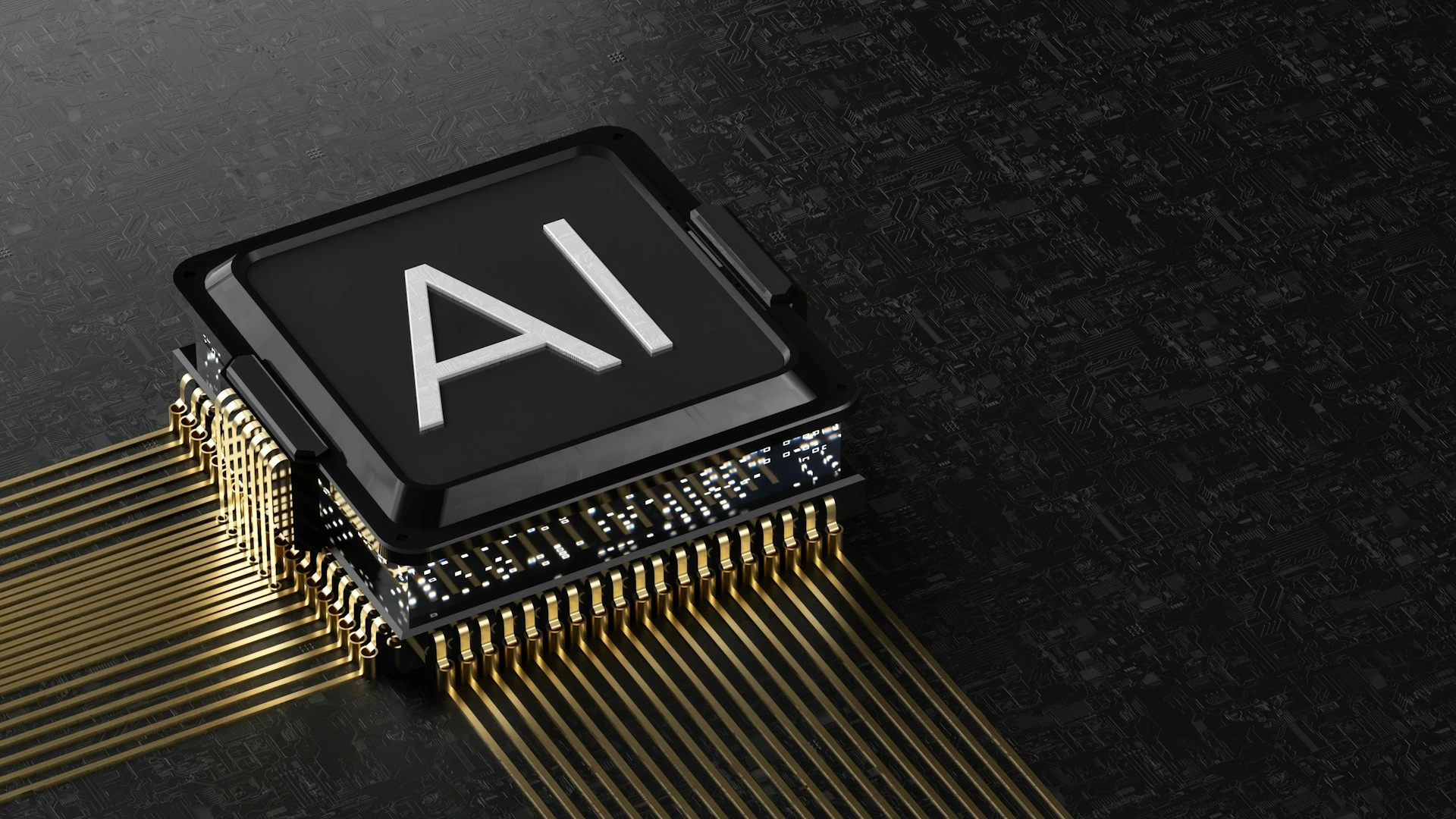
Photo by Igor Omilaev on Unsplash
OpenAI Expects First Custom AI Chip By End Of 2025
- Written by Andrea Miliani Former Tech News Expert
- Fact-Checked by Justyn Newman Former Lead Cybersecurity Editor
OpenAI plans to manufacture its first specialized chips for artificial intelligence models by the end of this year.
In a Rush? Here are the Quick Facts!
- Anonymous sources told Reuters that OpenAI plans to manufacture its first specialized chips for artificial intelligence models by the end of 2025.
- The AI company is at the end of the chip design process, and will soon send the design to TMSC.
- Manufacturing in-house AI chips is considered a strategic business move to gain leverage in negotiations and compete against other chipmakers.
According to an exclusive report by Reuters , sources familiar with the matter said that the AI company is nearing the end of the design process and will soon begin “taping out”—the stage where a chip’s design is finalized and then sent to the semiconductor manufacturing facility for fabrication—within the next few months.
The anonymous sources explained that Taiwan Semiconductor Manufacturing Co (TSMC) will be in charge of the manufacturing process, as revealed in October last year . OpenAI and TSMC declined to comment on the topic.
This update confirms OpenAI’s intentions to reduce its dependence on Nvidia chips and move forward with its ambitious plans of reaching mass production by 2026.
The process of building AI chips takes approximately six months. However, OpenAI still needs to test the product, and tape-out process costs can increase if issues require diagnosis and a remake, or if they choose to accelerate production.
Richard Ho—Head of Hardware at OpenAI, previously at Google’s Tensor Processing Unit—, in collaboration with Broadcom, is in charge of the team designing the AI chips for AI, which has significantly increased its members in the past few months.
Producing AI chips in-house is seen as a strategic move to gain leverage in negotiations with other chipmakers, but it’s no easy task. Other tech giants, such as Meta and Microsoft, have attempted this but failed.
OpenAI, along with Oracle, Softbank, and the government of the United States recently announced a $500 billion joint venture to develop the Stargate Project in the American nation.

Photo by Hunters Race on Unsplash
Elon Musk Leads $97.4B Bid To Acquire OpenAI Assets
- Written by Andrea Miliani Former Tech News Expert
- Fact-Checked by Justyn Newman Former Lead Cybersecurity Editor
Elon Musk and a group of investors placed a $97.4 billion bid on Monday to acquire OpenAI’s nonprofit assets, further increasing tensions within the company and among stakeholders.
In a Rush? Here are the Quick Facts!
- Elon Musk and a group of investors placed a $97.4 billion bid to buy OpenAI’s nonprofit assets on Monday.
- Sam Altman publicly rejected the offer in a post on X.
- Musk is working on strategies to prevent OpenAI from becoming a for-profit company.
According to the Wall Street Journal, Musk’s attorney, Marc Toberoff, confirmed the unsolicited offer took place—a move that could impact Sam Altman’s plans for the company, as he seeks to restructure it into a for-profit entity.
“It’s time for OpenAI to return to the open-source, safety-focused force for good it once was,” said Musk in a statement shared by Toberoff. “We will make sure that happens.”
Sam Altman shared publicly on X—Musk’s social media platform—his rejection of the offer. “No thank you but we will buy twitter for $9.74 billion if you want,” wrote Altman in a post, using the platform’s previous name before Musk rebranded it.
no thank you but we will buy twitter for $9.74 billion if you want — Sam Altman (@sama) February 10, 2025
In October last year, OpenAI reached a $157 billion valuation after raising $6.6 billion in a funding round, almost doubling its value in less than 10 months. The interest in transitioning the company into a for-profit entity was later confirmed.
Musk, was among the founders of OpenAI back in 2015—when the startup was created and conceived as a non-profit institution—but left in 2018, after disputes with Altman. Since then, Musk has filed multiple lawsuits against OpenAI.
Musk has been working on multiple strategies to block OpenAI’s shift into a for-profit company as he filed an injunction against Microsoft and OpenAI in December for anticompetitive practices, and now intends to buy the non-profit assets to gain back control.
