
Photo by Jefferson Santos on Unsplash
Open Analysis Lab Reveals How Hackers Stole Google Account Passwords
- Written by Andrea Miliani Former Tech News Expert
- Fact-Checked by Justyn Newman Former Lead Cybersecurity Editor
In a Rush? Here are the Quick Facts!
- Open Analysis Lab shared a new report with details of the new hacking technique.
- The new malware annoys Chrome users and makes them give their credentials.
- StealC has been used by malicious threats since August this year.
Researchers from the Open Analysis Lab revealed in a recent report how hackers have been stealing Google account passwords from Chrome browser users.
“We have recently observed a new technique used by stealers to force victims into entering credentials into a browser, allowing them to be stolen from the browser’s credential store using traditional stealer malware,” states the document.
The organization, which specializes in malware, explains that this malicious campaign was first seen just a few weeks ago, on August 22 this year.
The malware used with this new strategy is StealC, it makes the user’s browser go into kiosk mode in full screen on a Google login page, blocking users from navigating away from the page or closing the window—blocking ESC and F11—and giving them no choice but to enter their login information.
“This tactic annoys the victim into entering their credentials in an attempt to close the window,” explained the researchers. “Once the credentials are entered, they are stored in the browser’s credential store on disk and can be stolen using stealer malware, which is deployed along with the credential flusher.”
Open Analysis Lab clarifies that hackers use multiple elements to get the credentials. The first step is to infect the victim with Amadey and then this tool is used to deploy StealC and the credential flusher.
According to Forbes , Amadey hacking tool has been used for over 6 years, but the new technique is one the “simplest yet most effective methods of gaining access to Google account credentials.”
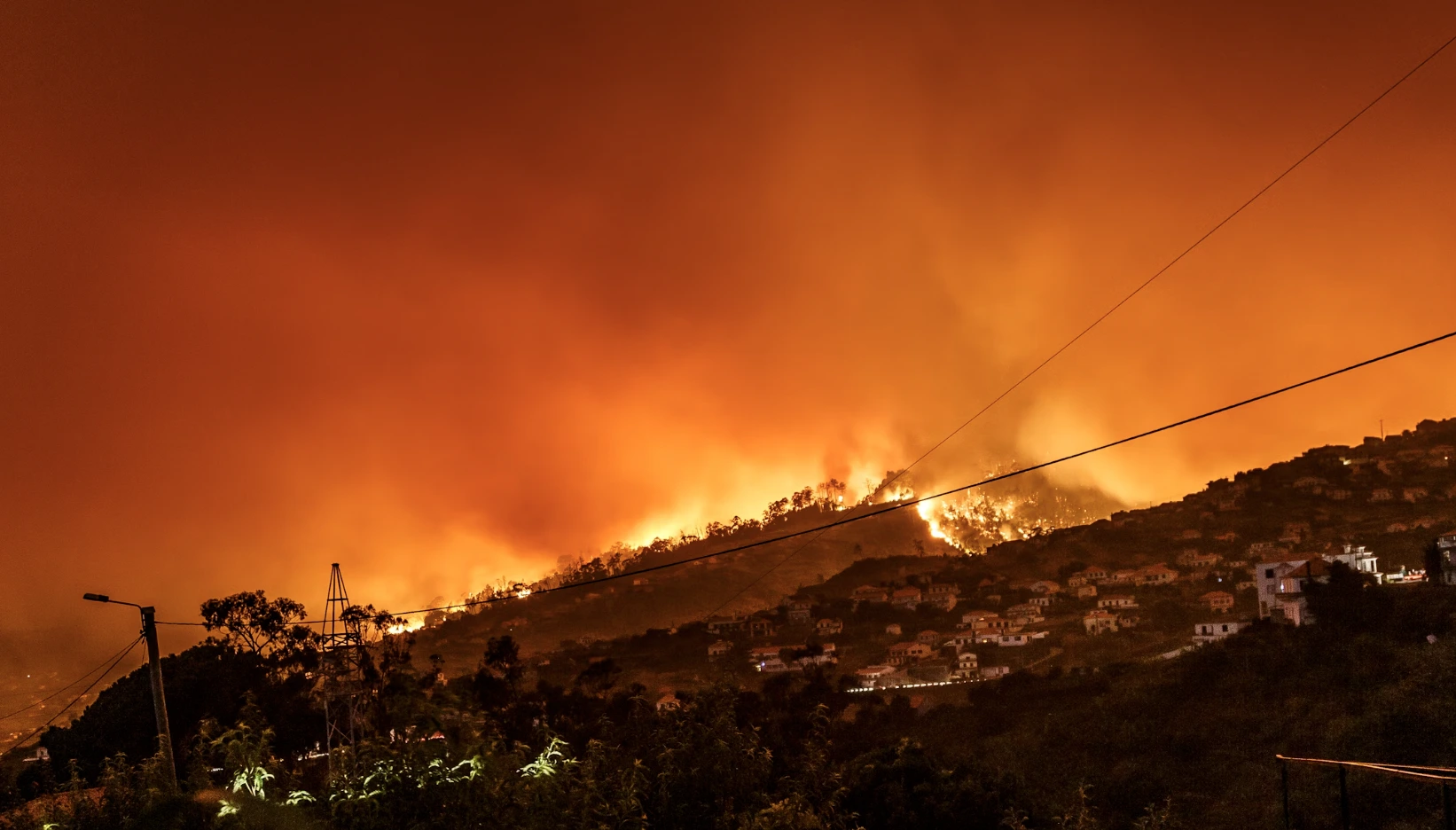
Image by Michael Held, from Unsplash
Google Launches FireSat: A New AI Tool For Wildfire Detection
- Written by Kiara Fabbri Former Tech News Writer
- Fact-Checked by Justyn Newman Former Lead Cybersecurity Editor
In a Rush? Here are the Quick Facts!
- Google is launching FireSat, a satellite system to detect wildfires within 20 minutes.
- Using AI, FireSat quickly identifies fires by comparing satellite data with past imagery.
- Launching in 2025, FireSat will provide real-time updates and build a wildfire history archive.
Google announced today its partnership with wildfire authorities to launch FireSat, a satellite constellation aimed at detecting and tracking wildfires, aiming to improve response by providing near real-time information on fire location, size, and intensity.
FireSat uses custom infrared sensors and AI to monitor wildfire activity by comparing new satellite data with historical images. The system also factors in local weather and infrastructure to quickly identify fires.
FireSat is set to detect fires as small as a classroom (5×5 meters) within 20 minutes. This is a significant improvement over current methods, which often rely on ground-based observations or less sensitive satellite imagery.
The first satellite is expected to launch in early 2025, with a full constellation planned in the coming years.
Developed in collaboration with the Earth Fire Alliance, Muon Space, and the Environmental Defense Fund, FireSat will provide high-resolution imagery updated every 20 minutes, allowing authorities to spot small fires before they become uncontrollable.
Once operational, FireSat will provide near real-time data to help fire agencies respond faster. In addition, FireSat will build a global historical record of wildfire behavior. This archive will enhance existing fire simulation models, helping scientists and emergency agencies to better understand and predict the spread of fires.
The Verge reports that former California state fire marshal Kate Dargan Marquis hailed FireSat as a “game changer,” particularly in light of the increasing severity of wildfires. “Information like this will make a life-saving difference,” she explained, highlighting the critical need for real-time data as wildfires become more frequent.
Christopher Van Arsdale, lead researcher at Google’s Climate and Energy group, emphasized the gap in current wildfire data, which prompted the development of this satellite system. “There is a significant gap between the data we have available today and what we could have with better satellite coverage,” Van Arsdale stated, as reported by The Verge.
MIT Technology Review notes that the importance of this technology is underscored by the current wildfire situation in the western U.S., where major fires like the Line Fire in Southern California, and the Shoe Fly Fire in Oregon have already ravaged vast tracts of land.
The FireSat project is expected to cost over $400 million, but experts argue that this investment is minor compared to the annual economic losses caused by wildfires in the U.S. alone, as noted by the MIT Review.
Despite the advances FireSat promises, experts caution that improved satellite data alone cannot fully mitigate wildfire risks.
Effective land management, including prescribed burns and better urban planning in fire-prone areas, is essential to reducing fire fuel and ensuring the success of firefighting efforts, as suggested by the MIT Review.
Google’s recent development of a new weather prediction model demonstrates the company’s commitment to advancing climate science and technology. This AI model could potentially enhance our understanding of long-term weather patterns, including those related to wildfires.
