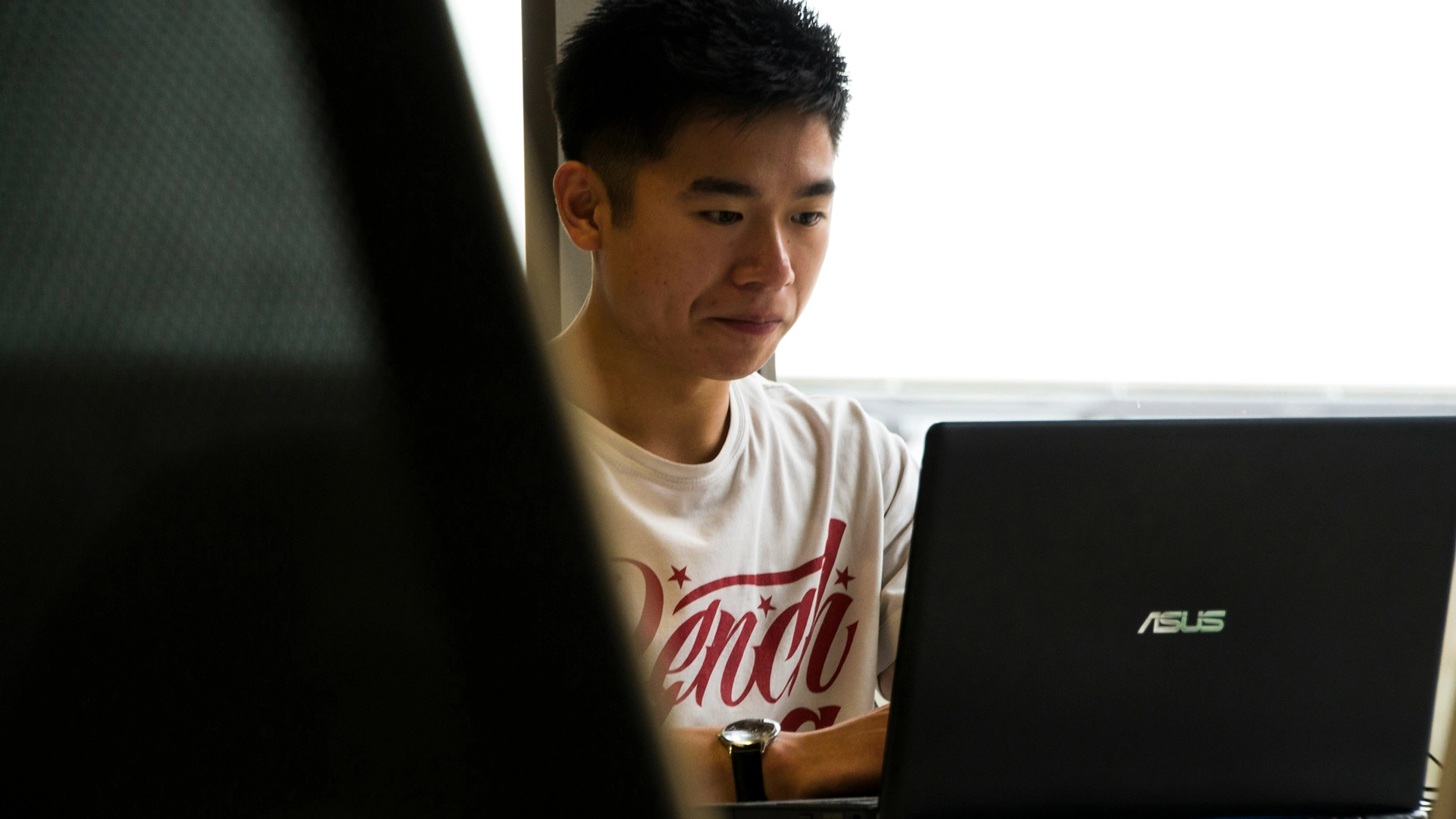
Image by Matt Wildbore, from Unsplash
Open-Source Projects Struggling With AI Crawlers Overloading Their Systems
- Written by Kiara Fabbri Former Tech News Writer
- Fact-Checked by Sarah Frazier Former Content Manager
AI-powered web crawlers have emerged as a major threat for open-source software communities which has caused widespread disruptions to their infrastructure.
In a rush? Here are the quick facts:
- AI-powered web crawlers are overwhelming open-source software communities, causing severe disruptions.
- Some open-source projects report that up to 97% of traffic comes from AI bots.
- Projects are deploying AI-specific blocklists, but bots quickly adapt, continuing disruptions.
Popular repositories face resource strain from these bots which were deployed by AI companies to collect training data for language models thereby slowing down development, as first reported by ArsTechnica .
Drew DeVault from SourceHut shared his observations about these crawlers through a blog post which described their destructive effects. These AI bots circumvented the robots.txt file instructions which direct crawlers to avoid certain pages thus creating major outages on the SourceHut platform.
The crawlers attacked specific endpoints such as git logs and commits through random IP addresses to disguise their activity as normal user traffic. The bots made effective blocking impossible through their methods which created extended project task delays and user service disruptions.
The GitLab infrastructure of KDE suffered a temporary outage due to bots which originated from Alibaba’s IP range. The open-source projects GNOME and others suffered from identical attacks so they implemented Anubis as a system which requires bots to complete computational challenges before granting access to the site, as reported by The LibreNews .
The “nuclear option” introduced by Anubis resulted in increased wait times for actual users who encountered significant traffic growth in GNOME’s merge requests, reported LibreNews.
Ben, who works as KDE’s sysadmin, observed that the bots disguised their identity using Microsoft Edge user agents to mimic real users, and evade detection from legitimate traffic. The Fedora team reacted to the disruption by cutting off all Brazilian web traffic to stop further disruptions, says LibreNews.
The report by LibreNews indicates that many open-source projects now experience 97% of their web traffic coming from AI companies’ crawlers. Open-source projects face increasing challenges because bandwidth expenses continue to grow while system maintainers face rising pressure to maintain smooth operations.
Open-source projects currently use blocklists and AI-specific user agent filtering as emergency solutions, yet bot adaptations consistently render these methods ineffective.
The rising problem of AI crawlers reveals how open-source projects become exposed to threats because they depend on public infrastructure and volunteer support.
Open data benefits AI companies yet their extreme data scraping practices end up damaging the systems that enable open internet accessibility.
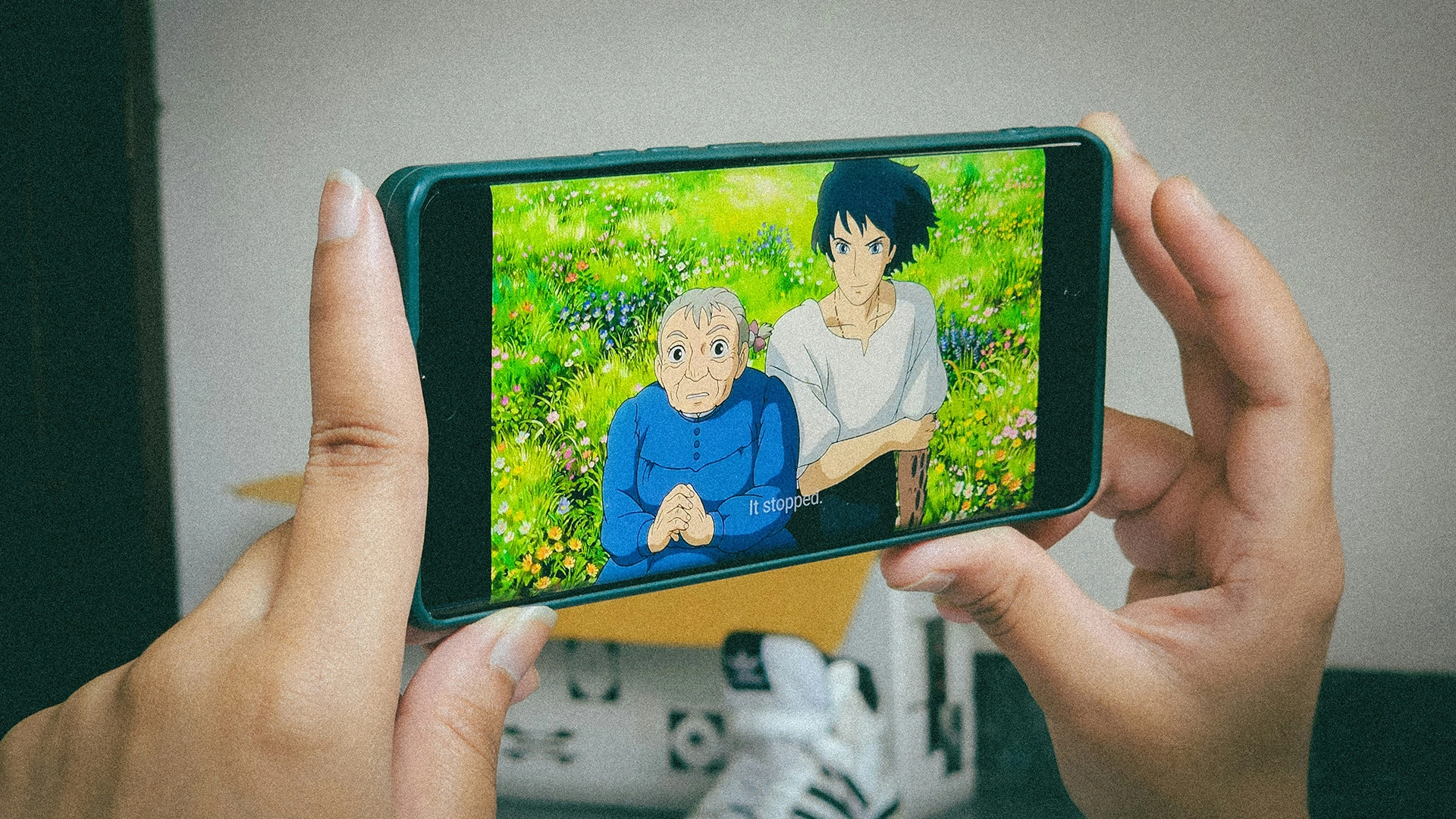
Photo by AJITH S on Unsplash
ChatGPT’s Studio Ghibli-Inspired Images Go Viral, Raising Copyright Concerns
- Written by Andrea Miliani Former Tech News Expert
- Fact-Checked by Sarah Frazier Former Content Manager
Many social media users shared images created with a Studio Ghibli-style using ChatGPT this week, making it a viral trend. The high-quality images developed with OpenAI’s new tool have sparked debate on copyright use.
In a rush? Here are the quick facts:
- Studio Ghibli-style images created with ChatGPT went viral after OpenAI launched its new o4 image generation tool.
- Social media users shared AI-generated portraits and memes that mimic iconic Japanese animation.
- The trend raised new copyright concerns, as experts question how closely AI tools mimic copyrighted styles and content.
OpenAI released its latest AI image tool , o4 image generation, this Tuesday, and just a few hours after its launch, social media platforms were filled with the new trend: photographs transformed into a Ghibli-style—the popular Japanese animation studio—using ChatGPT.
tremendous alpha right now in sending your wife photos of yall converted to studio ghibli anime pic.twitter.com/FROszdFSfN — Grant Slatton (@GrantSlatton) March 25, 2025
Users shared everything from memes to family portraits, and the AI tool generated remarkable images with a stunning resemblance to the professional animations created by the Japanese studio, known for movies such as Spirited Away and My Neighbor Totoro.
“It’s called Ghibli vibe prompting. There’s an art to it.” pic.twitter.com/4e6cKWoMbU — PJ Ace (@PJaccetturo) March 26, 2025
According to TechCrunch , the latest viral trends regarding the use of AI, including the recent watermark removal trend, spark concerns over the way AI models are trained, suggesting that most of them use copyrighted works without consent.
Evan Brown, an intellectual property lawyer at the law firm Neal & McDevitt, told TechCrunch that style is not protected by copyright. However, to recreate these high-quality images, with the likeness they have, it is possible that OpenAI used millions of frames from Ghibli films to train the new o4 image generation.
Sam Altman, OpenAI’s CEO, changed this profile picture to a Ghibli style version someone made of him. Altman also acknowledged the success of the new tool. “Images in chatGPT are way more popular than we expected (and we had pretty high expectations),” he wrote in a post . “Rollout to our free tier is unfortunately going to be delayed for a while.”
images in chatgpt are wayyyy more popular than we expected (and we had pretty high expectations). rollout to our free tier is unfortunately going to be delayed for awhile. — Sam Altman (@sama) March 26, 2025
Other users have complained about artists’ protection and studios’ legacies. “Miyazaki spent his entire life building one of the most expansive and imaginative bodies of work, all so you could rip it off and use it as a filter for your vacation photos,” wrote one user . “Not just Miyazaki, all the artists and animators who’s ever worked for Nippon Animation, Studio Ghibli, Studio Ponoc over the years,” added another .
The debate over copyright and the use of new artificial intelligence tools is a hot topic with regulatory challenges. A few days ago, a U.S. federal judge ruled in favor of the artificial intelligence company Anthropic in response to a copyright lawsuit filed by several music producers.
