
Photo by Austin Distel on Unsplash
Online News Officially Overtakes TV as the Most Popular Source in the U.K.
- Written by Andrea Miliani Former Tech News Expert
- Fact-Checked by Justyn Newman Former Lead Cybersecurity Editor
A new research by the Office of Communications (Ofcom) revealed that online news has overtaken TV news bulletins in the United Kingdom.
According to The Guardian , Ofcom performed its annual survey on news habits, and 71% of the population said they watch the news through online services, a 3% increase compared to the previous year. It’s a slightly higher percentage compared to the adult population who included using the television, which was 70%, but it is the first time online content surpasses television in the traditional survey. This phenomenon has been described as a “generational shift in the balance of news media.”
“Television has dominated people’s news habits since the 60s, and it still commands really high trust. But we’re witnessing a generational shift to online news, which is often seen as less reliable,” said Ofcom’s head of strategy and research, Yih-Choung Teh.
Social media consumption also increased, 52% of adults in the UK noted that they use social media channels to get informed. Last year the percentage was 47%, and its growth has raised concern.
“It’s worrying that social media is being increasingly used as a news source. It’s not just a problem for journalists, it’s a problem for all of us. And once a fake story is out there, it’s almost impossible to correct. I know, I’ve tried. Good luck trying to get anything taken down from X,” wrote BBC journalist Fiona Bruce for the Radio Times.
The study considers a younger population as well. For teenagers between 12 to 15 years old, TikTok is the main news source, for those between 16 and 24 years old is Instagram the platform they use the most to learn news.
While journalists in the UK find find “worrying” that social media is the main news source, in countries like Venezuela where there is tightened control over media , social media has become the most reliable source.
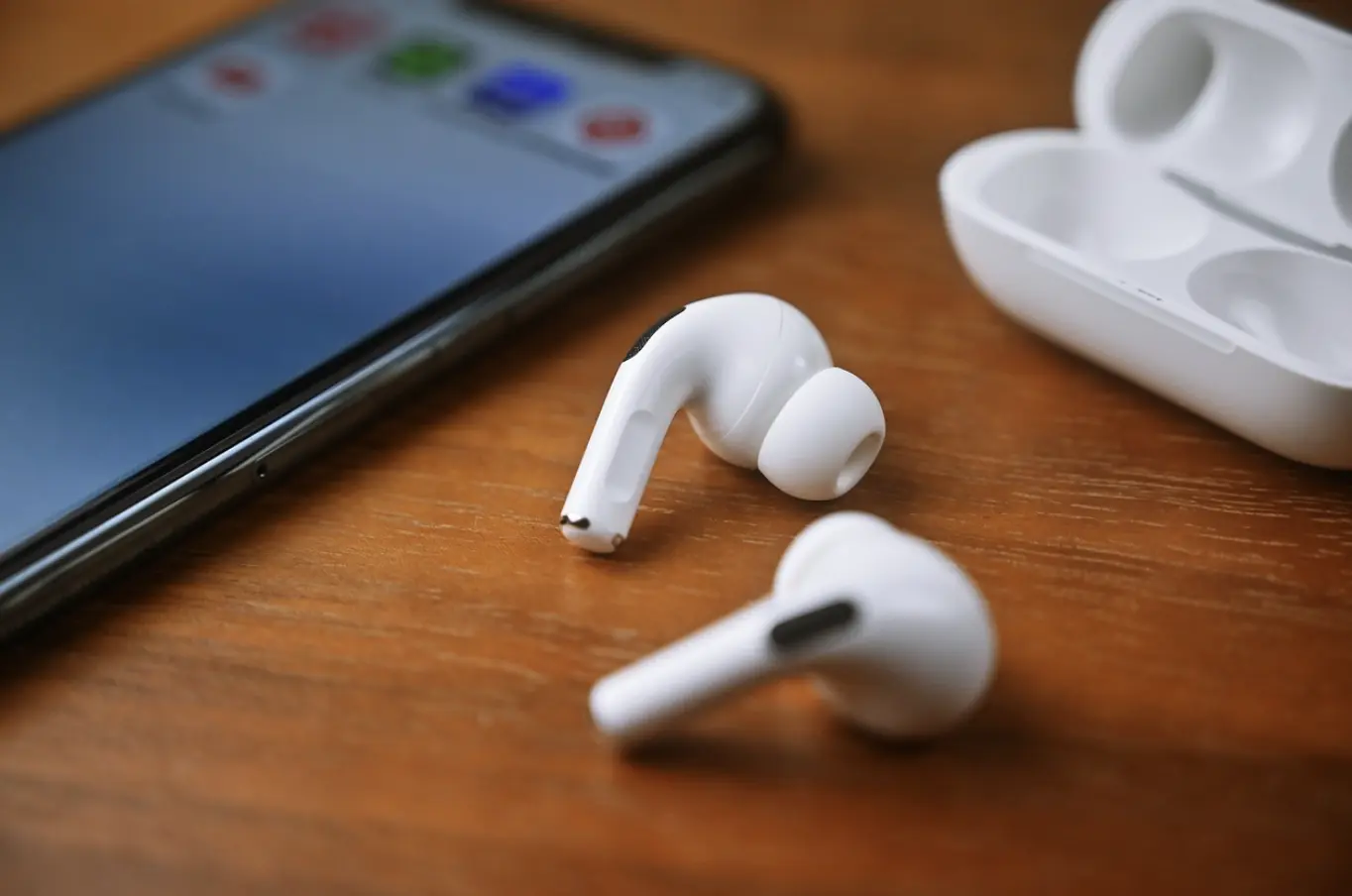
Image by Subarasikiai, from Pixabay
Apple Introduces Hearing Aid Feature for AirPods Pro 2, Awaiting FDA Approval
- Written by Kiara Fabbri Former Tech News Writer
- Fact-Checked by Justyn Newman Former Lead Cybersecurity Editor
Apple announced on Monday a range of hearing health updates for the AirPods Pro 2. These include a new “clinical-grade” hearing aid feature designed for users with mild to moderate hearing loss. The hearing aid functionality is currently awaiting FDA approval, but the company states that it expects clearance soon.
The new hearing aid feature is designed to amplify specific sounds such as speech and environmental noise in real-time.
To complement the hearing aid feature, Apple has also introduced a new hearing test based on pure-tone audiometry , a widely used clinical method for detecting hearing loss. The test builds on data from the Apple Hearing Study, developed in collaboration with the University of Michigan School of Public Health.
It allows users to take a five-minute, at-home test with their AirPods, providing results that include an audiogram and hearing loss classification for each ear. These results can be stored in Apple’s Health app and shared with healthcare professionals.
Once the test is completed, users receive personalized hearing profiles that automatically adjust audio settings across different media, including music, movies, and phone calls. The personalized settings aim to offer more tailored audio experiences without requiring users to manually adjust their devices.
In addition to the hearing aid and test features, Apple is introducing a passive hearing protection mode. This will automatically reduce noise in loud environments such as concerts or sporting events, helping users avoid long-term hearing damage.
One of the most noteworthy aspects of Apple’s hearing aid feature is its affordability. Priced at $249.00, it offers a significantly more accessible option compared to traditional hearing aids, which can cost upwards of $2,000, as reported by Forbes . However, it’s crucial to note that this feature is not intended for those with severe hearing loss and remains subject to regulatory approval.
Technological advancement in hearing aids has also been marked by the use of AI. Recently, Sonova announced a new hearing aid that employs real-time AI to enhance speech clarity in noisy environments, showing the growing role of AI in improving hearing solutions.
While offering a more affordable option for users with mild to moderate hearing loss, the hearing aid feature’s effectiveness remains to be fully tested and approved by the FDA. Until then, it provides an intriguing step forward in integrating hearing health tools into consumer devices.
