
Photo by Mohamed Hassan on pxhere
Oklahoma City Police Deploy AI to Draft Incident Reports, Raises Bias Concerns
- Written by Kiara Fabbri Former Tech News Writer
- Fact-Checked by
Oklahoma City police are now using an AI tool to write incident reports. The technology, developed by Axon, uses AI similar to ChatGPT to draft reports from body camera audio in just eight seconds.
While officers praise the time-saving technology, legal scholars and community activists raise concerns about potential bias and the accuracy of AI-generated reports.
The software, Draft One, converts body camera audio into written incident reports, aiming to improve report drafting efficiency.
The Associated Press reports that Oklahoma City Sergeant Matt Gilmore, who tested it, said the AI-written report was “better” than anything he could have written himself, was 100% accurate, and even included details he didn’t recall.
Axon created the product. Company founder and CEO Rick Smith told the AP that Draft One had the “most positive reaction” of any product the company has introduced.
“However, there are concerns,” Smith noted. He explained that district attorneys want to ensure that police officers, not just an AI chatbot, are responsible for writing their reports since they may need to testify in court about their observations.
The Independent reports that Oklahoma City community activist Aurelius Francisco has expressed deep concerns about the use of AI technology in police reporting, particularly due to potential racial biases.
Past incidents, such as Robert Williams’ wrongful arrest due to flawed facial recognition, exemplify the dangers of overreliance on AI in police investigative work, particularly regarding racial bias and inaccuracies.
“Given all the sensitivities around policing, around race and other identities of people involved, that’s an area where I think we’re going to have to do some real work before we would introduce it,” Smith told AP.
There’s a consensus that while AI can assist in report drafting, ultimate responsibility and accountability should remain with human officers, especially when dealing with serious crimes that may require court testimony.
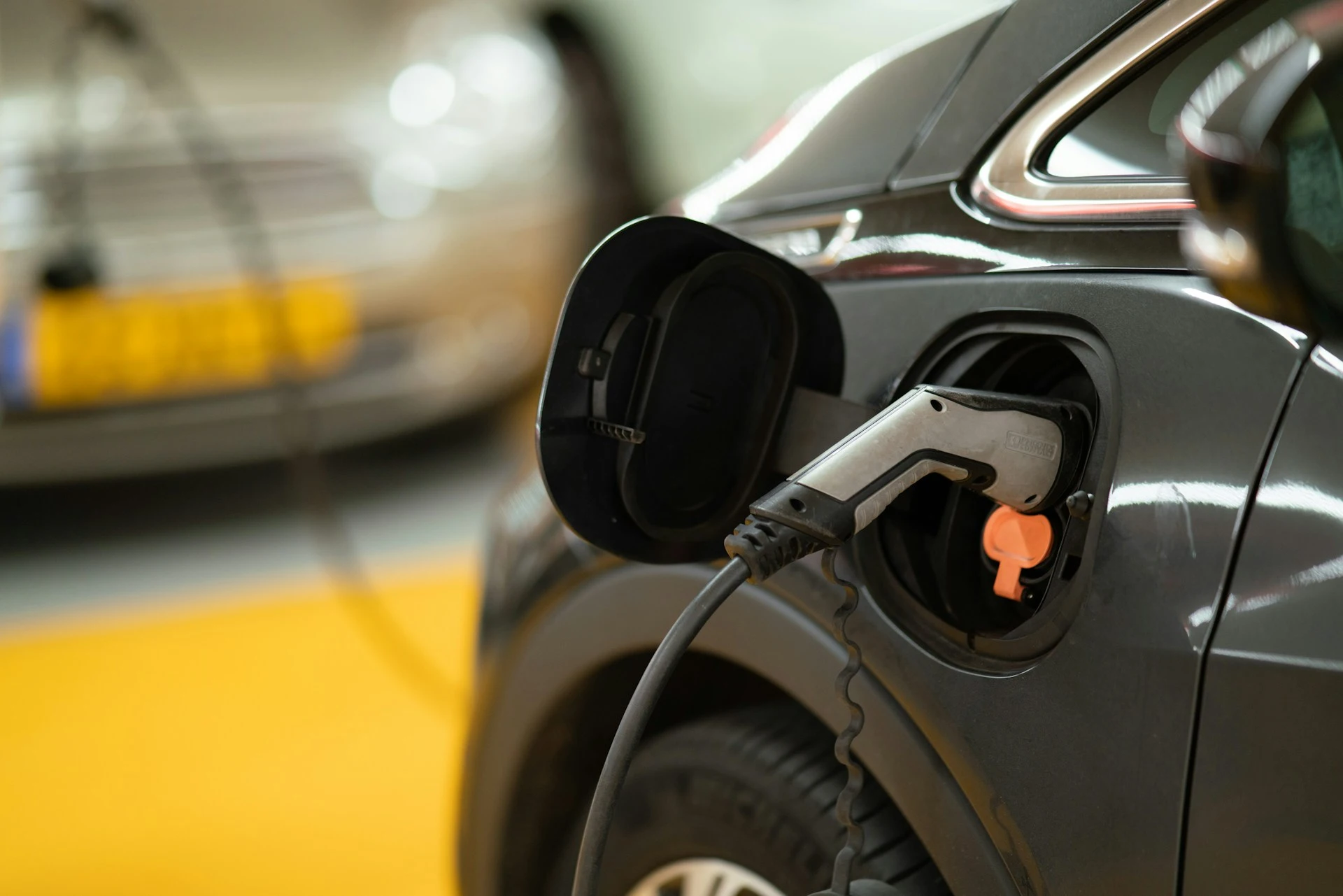
Photo by Michael Fousert on Unsplash
Canada to Impose 100% Tariff on Chinese Electric Vehicle Imports
- Written by Andrea Miliani Former Tech News Expert
- Fact-Checked by
Canadian Prime Minister Justin Trudeau announced on Monday that a 100% tariff will be imposed on electric vehicles (EV) imported from China, starting on October 1.
The measure on Chinese-produced vehicles is similar to the one announced by the United States in May to protect American businesses and workers.
Trudeau also included a 25% tariff on imported aluminum and steel from the country. According to The Guardian , he acknowledges “China’s intentional, state-directed policy of over-capacity” and unfair market practices.
“I think we all know that China is not playing by the same rules,” said the Prime Minister to reporters in a closed-door cabinet meeting in Halifax. “What is important about this is we’re doing it in alignment and in parallel with other economies around the world.”
According to the BBC , the European Union also raised tariffs for Chinese EVs from 17.4% to 37.6% in July, following the U.S. lead.
Canada made a significant move, as China is the country’s second-largest trading partner after the United States. According to recent data, EV imports from China increased by 460% in 2023.
Trudeau didn’t clarify if the new measure will affect American companies like Tesla, which also produces its vehicles in China and has been shipping cars from Shanghai to Canada—part of the reason why EV import numbers have jumped.
“In response to the tariffs, I would expect Tesla would shift its logistics and potentially export autos to Canada from the US,” Seth Goldstein, equity strategist at Morningstar, told The Guardian.
Canadian producers feel relieved. “We feel vindicated and motivated. Let’s now get to the business of defending our market with the best of Canadian innovation and resolve,” said Flavio Volpe, president of the Automotive Parts Manufacturers’ Association, to The Guardian via email.
China hasn’t shared public statements about this measure yet, and many wonder about the Chinese government’s reaction.
